TCA For Xanthelasma: What To Know Before A Peel
Key Takeaways
TCA for xanthelasma is a chemical peel: a clinician dabs trichloroacetic acid onto the patch so the treated skin crusts and peels away. It’s a clinic procedure that often needs more than one session, and it carries a risk of scarring and skin colour changes. It should never be tried at home.
- TCA is a strong acid, so it must only be applied by a trained clinician, with the eye protected.
- Never use TCA at home: acid bought online can cause severe burns, scarring and eye injury.
- The skin crusts and peels over about a week, and several sessions are often needed.
- Risks include scarring and lighter or darker patches of skin, especially on darker skin tones.
- As with every method, xanthelasma can come back after a TCA peel.
- Prefer an at-home option without acid? Xanthel® is a cosmetic gel made for your skin type. Results vary.
Is TCA For Xanthelasma Safe?
In the right hands, a TCA peel is an established way to treat xanthelasma. Many dermatologists use it, especially for small, flat patches, because it’s quick, done in the clinic, and doesn’t involve cutting or stitches.
But TCA is a strong acid, and the skin it’s used on is the thinnest on your body, right next to your eye. That’s why the strength, the amount and how it’s applied matter so much, and why it’s one treatment you should never try yourself. Our guide to xanthelasma removal compares it with the other options.

What Is Trichloroacetic Acid And How Does It Work On Xanthelasma?
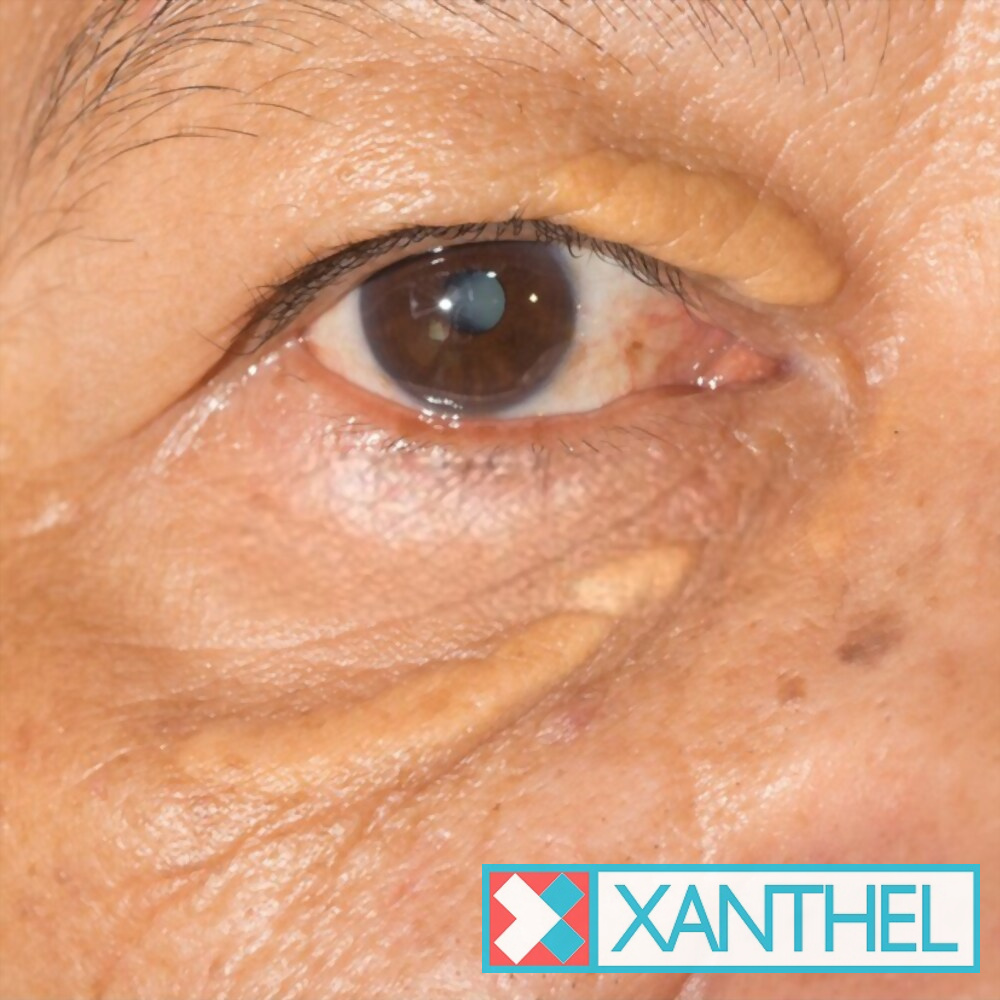
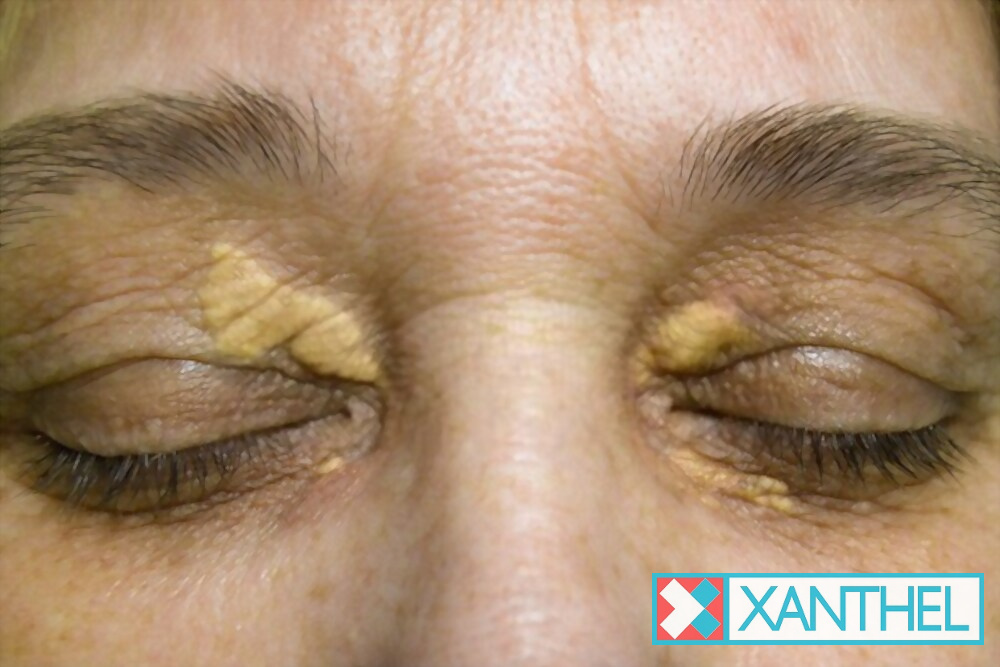
Trichloroacetic acid, or TCA, is a chemical used in skin peels. On xanthelasma, the clinician applies a small amount directly onto the patch with a fine applicator, usually at a fairly high strength, while protecting the eye. Within moments the skin turns white, called “frosting”, as the acid breaks down the top layers of skin, including the cholesterol-filled cells in the patch.
Over the next few days the treated skin darkens, forms a crust and then peels away, revealing new skin underneath. It stings during application, but the session itself is short. Deeper or larger patches usually need repeat treatments a few weeks apart, and very thick patches may respond better to surgery or laser.

TCA Peel For Xanthelasma At A Glance
| Question | Answer |
|---|---|
| What it is | A chemical peel using trichloroacetic acid (TCA) |
| Where | In a clinic, by a trained clinician only |
| Sessions | Often several, a few weeks apart |
| Recovery | Crusting and peeling for about a week |
| Main risks | Burns, scarring, lighter or darker skin, patches returning |
| At-home option | Xanthel® cosmetic gel, made for your skin type |
Safety warning: never buy or apply TCA yourself. Acid near the eye can cause serious, permanent injury.
What Happens After A TCA Peel For Xanthelasma?
For the first day or two, the treated area looks red, swollen and slightly darker. A thin crust forms, and it’s important not to pick it, because pulling it off early raises the risk of scarring. Within about a week the crust falls away and the new skin underneath looks pink.
That pinkness usually fades over a few weeks. Protect the area from the sun while it heals, and follow your clinician’s aftercare. If the patch is still visible, a further session is often booked a few weeks later.

Can Xanthelasma Come Back After TCA?
Yes, it can. Recurrence is common after every kind of xanthelasma treatment, according to StatPearls, because the tendency to form patches remains. New patches can appear nearby, or the same spot can return months or years later. A cholesterol check with your doctor is worthwhile, whichever route you choose, and keeping it healthy may help.

Why You Should Never Use TCA On Xanthelasma At Home
TCA is sold online in home kits, often with dramatic before and after photos. Please don’t use it. The strength on the bottle isn’t always what’s inside, it’s very easy to apply too much, and a drop can run into your eye in a second. In a clinic, the clinician controls every one of those things. In a bathroom mirror, nobody does.
Problems reported after home use include chemical burns, open wounds that take weeks to heal, white or brown patches of skin, and scars that pull the eyelid out of shape. Damaged skin is also harder to treat later, so a failed attempt can limit your options.
If acid ever gets into your eye, rinse it with plenty of clean, running water for at least 15 minutes and get urgent medical help straight away. For safer things to try, see our guide to xanthelasma removal at home.

Prefer Something Gentler Than An Acid Peel?
Xanthel® is a cosmetic gel made specifically for xanthelasma and used at home, with no acid peel. Our founder, P. Cutler, developed it with consultant dermatologists. Each kit is made up for your skin type and is usually applied just once. There are no needles and no time off. Results vary, so see real customer photos on our before and after page.
TCA Xanthelasma Treatment: Questions People Ask
Does TCA Work For Xanthelasma?
It can, especially on small, flat patches, though several sessions are often needed and patches can come back afterwards.
What Strength Of TCA Is Used For Xanthelasma?
Clinicians choose the strength for each patch, and it is usually much stronger than cosmetic face peels. That is one reason it should never be used at home.
Is A TCA Peel For Xanthelasma Painful?
It stings for a short time while the acid is on the skin. The area may feel sore and tight for a few days afterwards.
Can TCA Leave A Scar Or Mark?
It can. Risks include scarring and lighter or darker patches of skin, which are more common on darker skin tones.
Is There An Alternative To TCA For Xanthelasma?
Yes. Clinics offer laser, freezing and surgery, and Xanthel® is a cosmetic gel used at home. Results vary.
Xanthelasma Cream: A Gentler Choice Than TCA
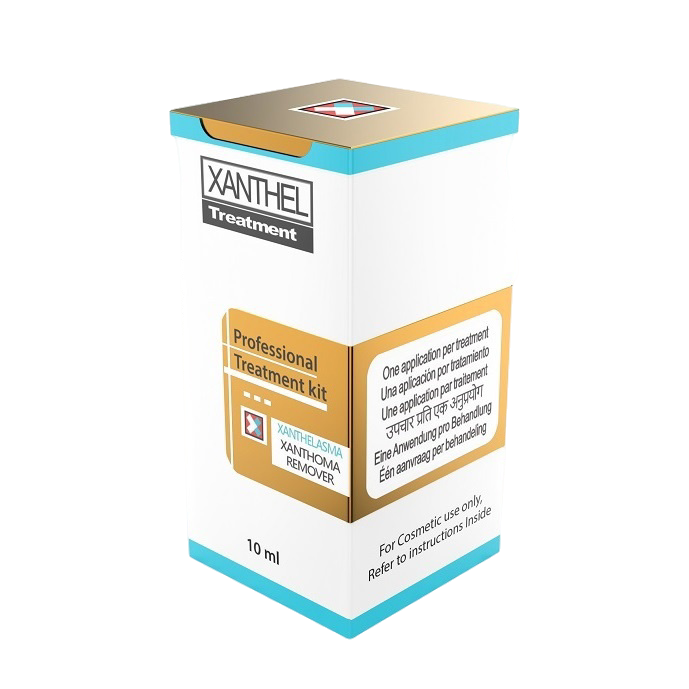
Not keen on TCA for xanthelasma? Xanthel® xanthelasma removal cream is a cosmetic gel designed to improve the look of xanthelasma without acid peels, needles or time off, so you can stop worrying about those patches every time you look in the mirror. Results vary from person to person.
Made For Your Skin
Each kit is formulated to order for your skin type and tone, rather than one formula for everyone, so it’s designed to work on your patches while staying gentle on the skin around your eyes.
Simple, Private And Quick
Apply it at home in a couple of minutes, usually just once. No clinic, no needles, and free tracked delivery worldwide.