Xanthelasma Pictures: Eyelid Photos And What They Mean
Key Takeaways
Xanthelasma pictures show soft, yellow, flat or slightly raised patches on the eyelids, usually near the inner corner. They’re harmless in themselves, but research links them with a higher risk of heart disease, even when cholesterol is normal.
- Patches are usually yellow to orange-yellow, with fairly clear edges.
- They often appear on both eyes and grow slowly over months or years.
- About half of people with xanthelasma have normal cholesterol.
- A study of 12,745 adults linked xanthelasma with a 48% higher risk of heart attack.
- Ask your doctor to check your cholesterol, blood sugar and blood pressure.
- Xanthel® is a cosmetic gel made for your skin type to improve the look of patches. Results vary.
What Do Xanthelasma Pictures Show?
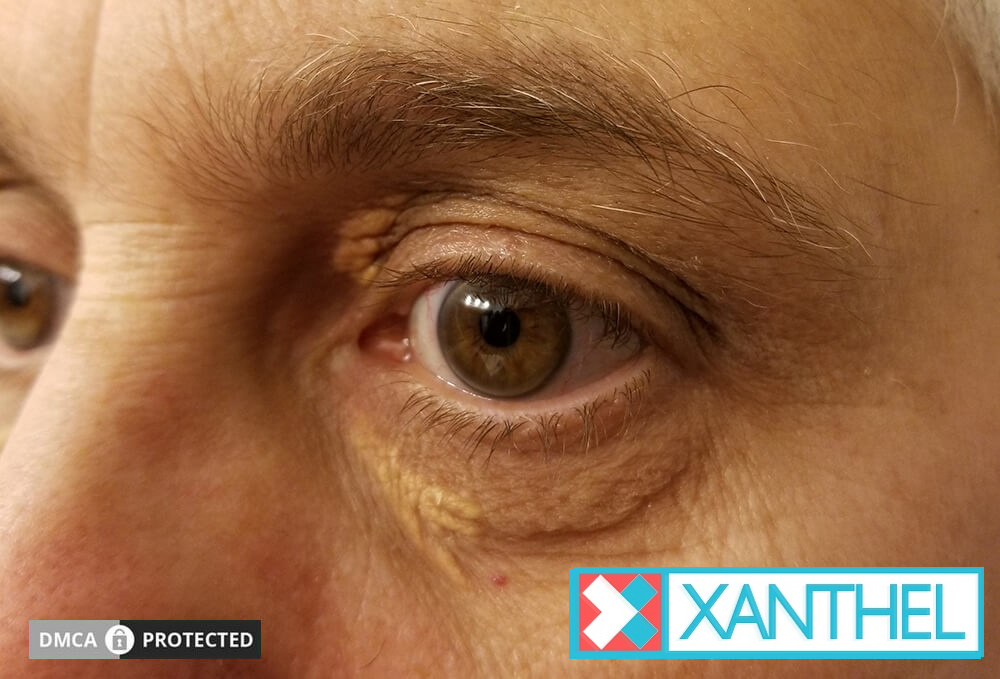
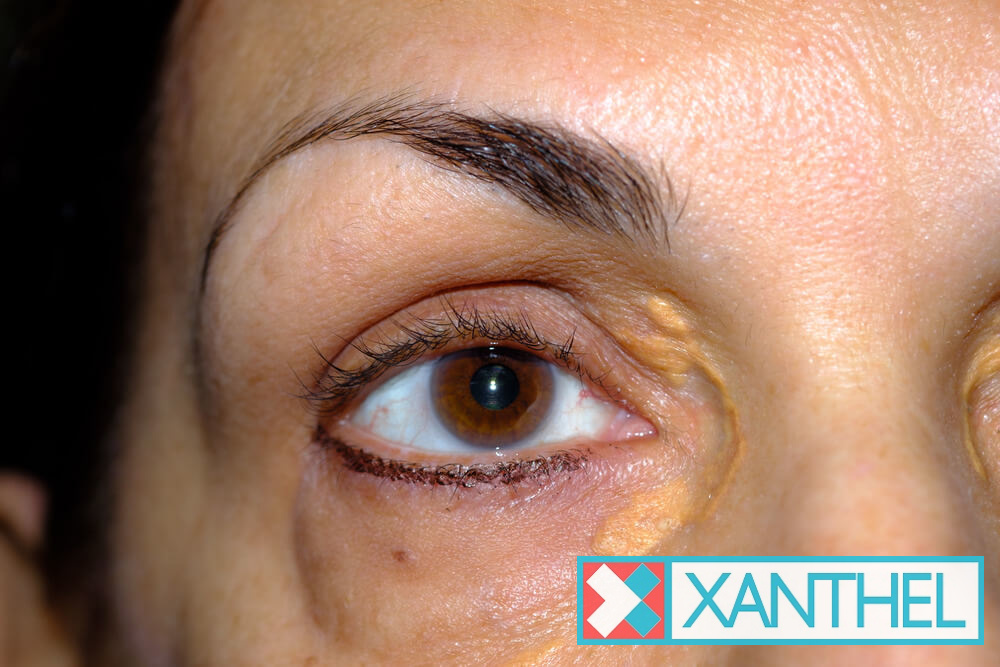
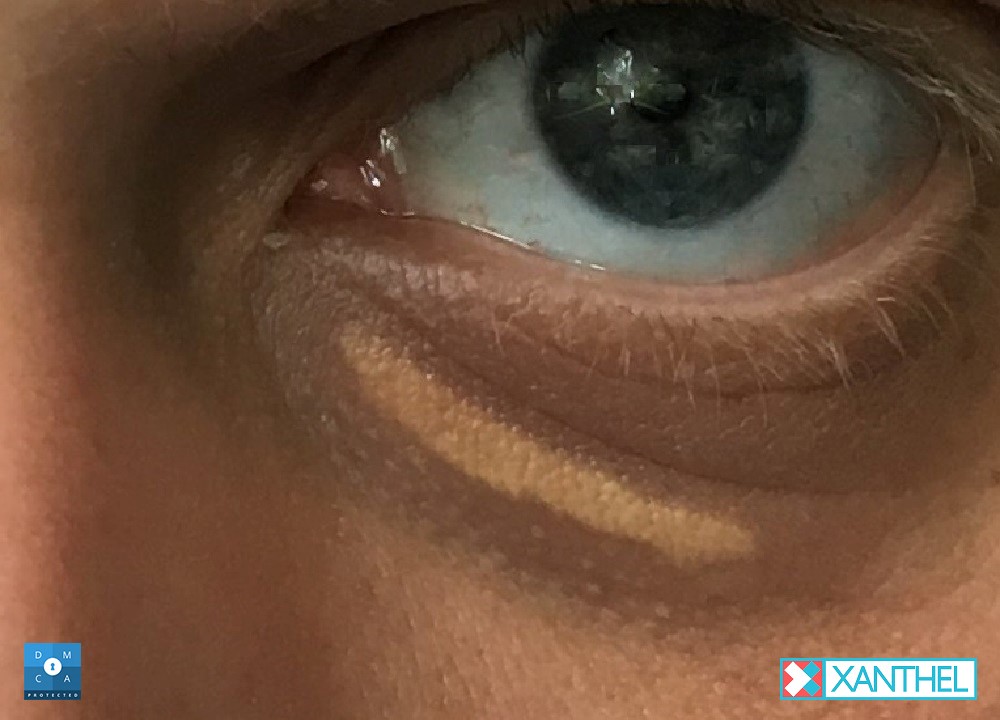
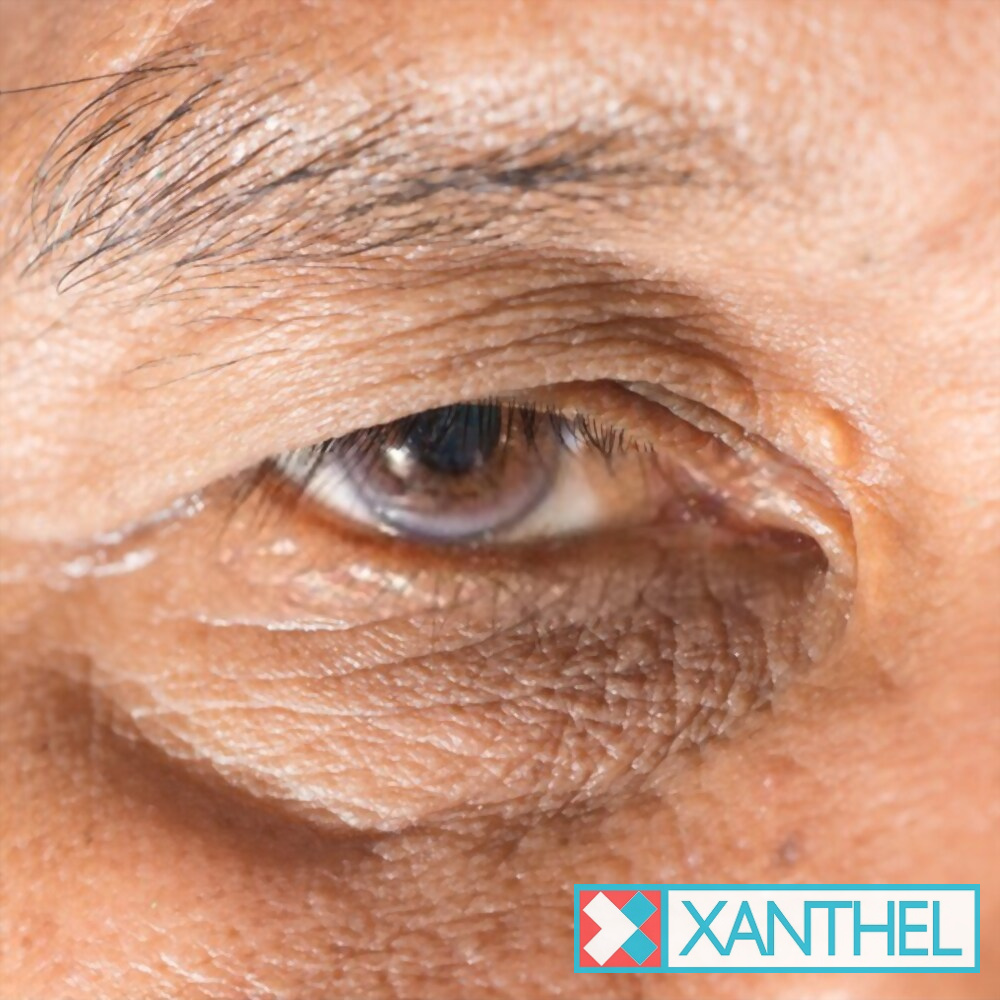
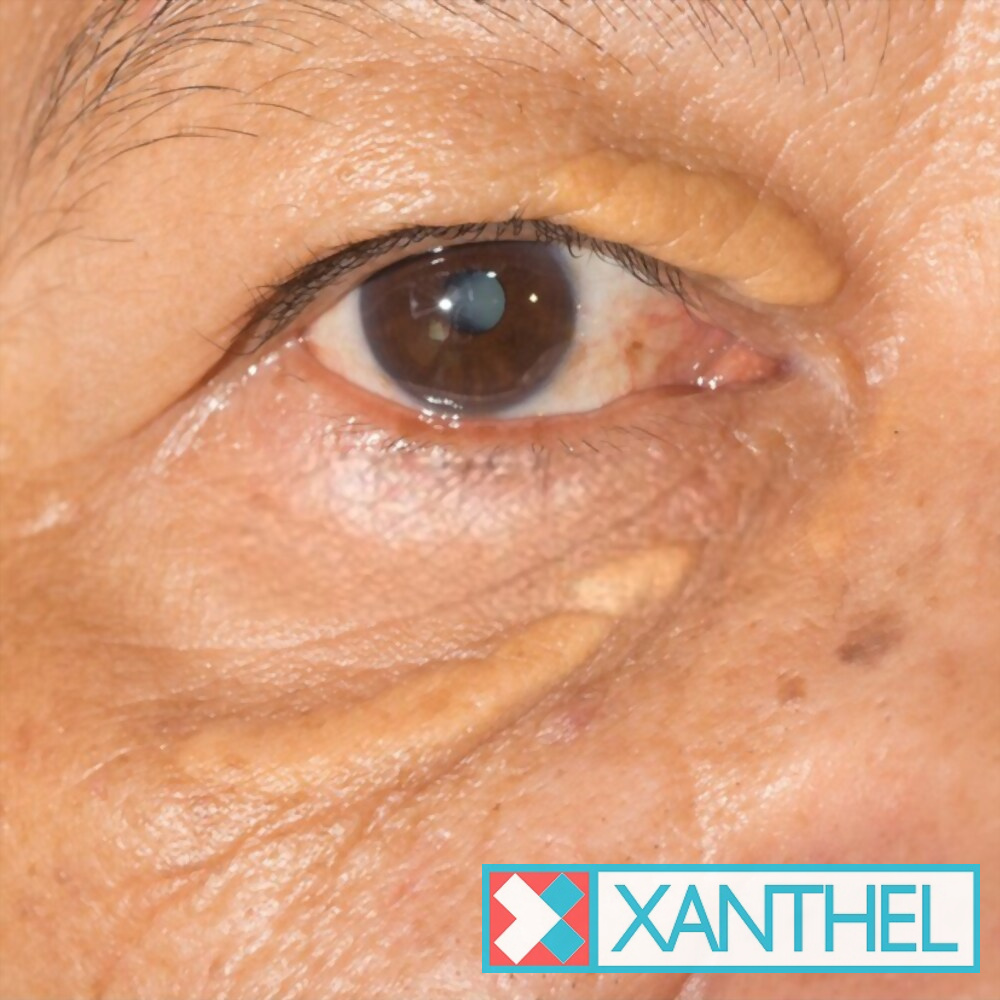
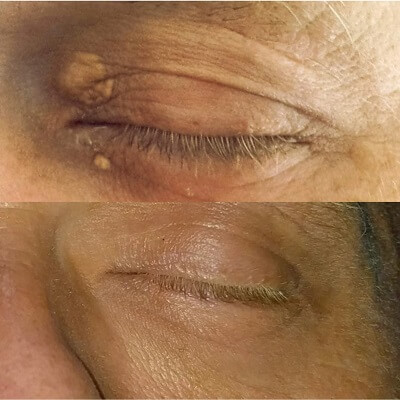
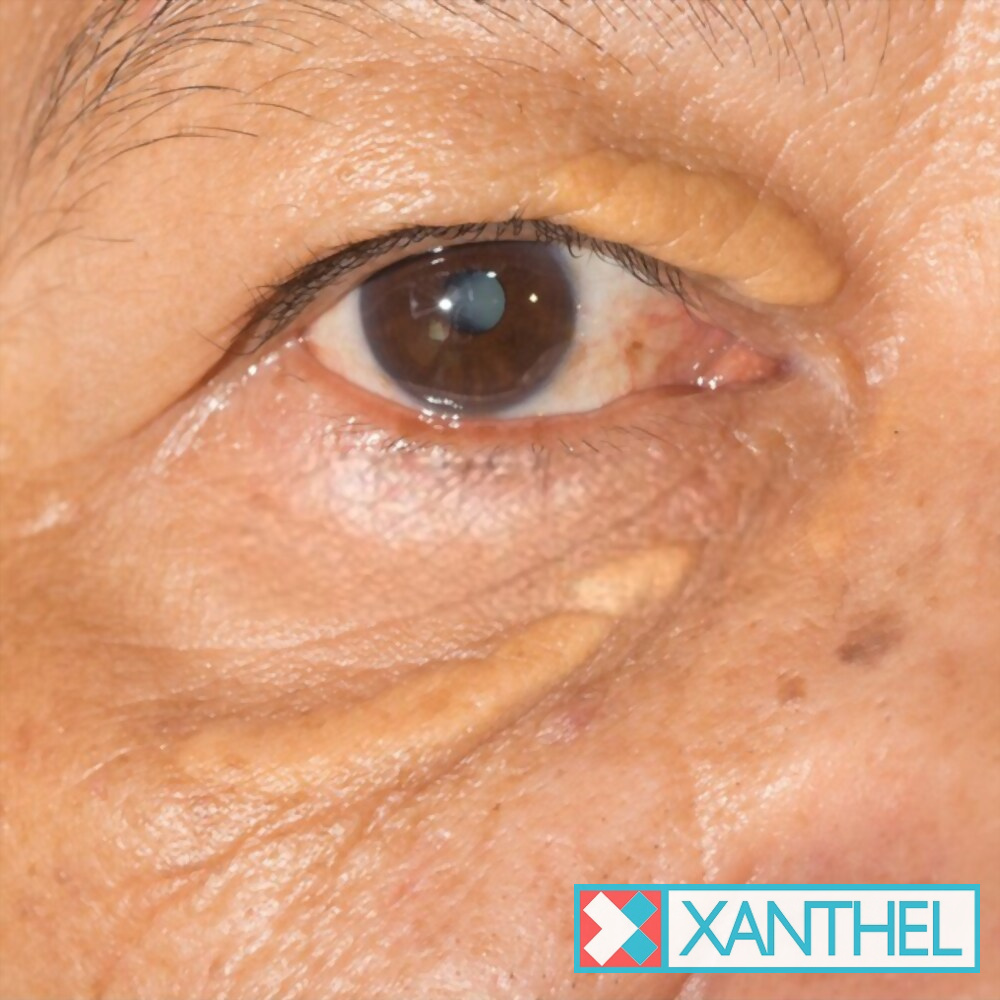
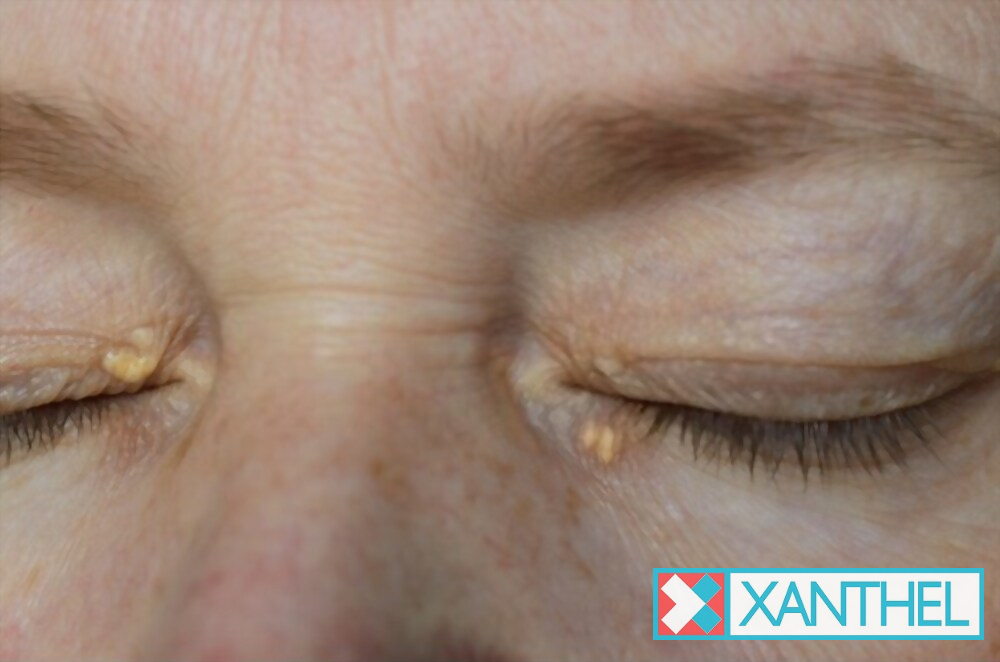
The photos on this page show xanthelasma: soft, yellowish patches of cholesterol that build up in the skin of the eyelids. Many people know them simply as cholesterol deposits on the eyelids or yellow spots near the eye, and only learn the medical name once they start searching.
If your eyelids look like these xanthelasma photos, try not to worry. The patches don’t hurt, aren’t contagious and won’t affect your eyesight. They are a good reason for a quick health check, though, and we explain why below. Compare your own eyelids in natural daylight, without make-up, for the clearest view. For a step-by-step guide to the signs, see what xanthelasma looks like.
Xanthelasma Photos: Colour, Texture And Edges
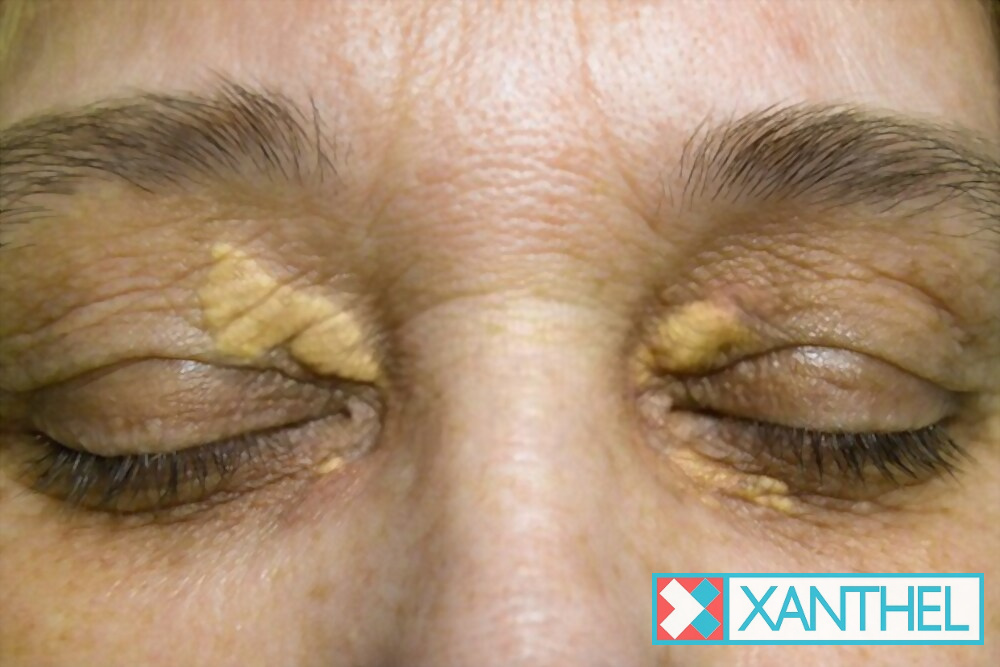
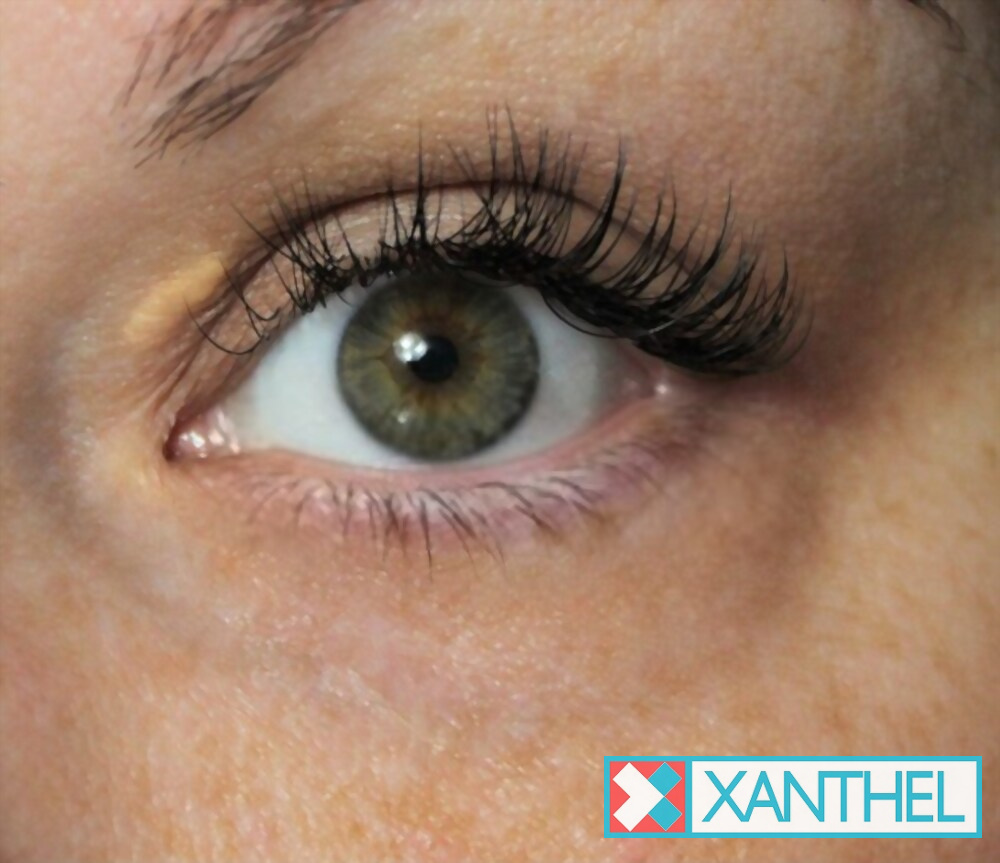
Look at the colour first. Xanthelasma is usually pale yellow to orange-yellow, and on darker skin it can look more tan or orange. It feels soft rather than hard, and it isn’t crusty, scaly or itchy. The edges are usually fairly clear, and the surface looks smooth, a bit like a stain under the skin rather than a spot on top of it. About half of people with xanthelasma have normal cholesterol, according to StatPearls, so it isn’t only a sign of high cholesterol.
Xanthelasma And Heart Health: What The Research Found
| Figure | What it means |
|---|---|
| 12,745 | Adults followed in the Copenhagen City Heart Study |
| 22 years | Average follow-up |
| 48% | Higher risk of heart attack in people with xanthelasma than in people without it. The link held whatever their cholesterol level. |
This doesn’t mean everyone with xanthelasma will have heart problems, but it’s a good reason to ask your doctor for a heart health check, especially if you smoke or have a family history of heart disease. Source: Christoffersen M et al., BMJ, 2011.
Xanthelasma Pictures Of The Eyelids: Is It Xanthelasma Or Something Else?
A few other eyelid marks can look similar in photos, so it helps to know the differences. Milia are tiny, hard, pearly-white bumps, often under the eyes. Syringomas are small, firm, skin-coloured or slightly yellow bumps, usually in clusters on the lower lids. A chalazion is a single round lump inside the eyelid that can be red and tender. Seborrhoeic keratoses look waxy and stuck-on, and are usually brown rather than yellow.
Xanthelasma is different: larger, softer, flatter and clearly yellow, usually on the upper lids near the nose. If you’d like to compare more examples, our full gallery of pictures of xanthelasma covers patches of different sizes and stages. If anything on your eyelid hurts, bleeds or changes quickly, see a doctor.
Where Patches Appear In Xanthelasma Photos
Most xanthelasma starts on the upper eyelid, close to the nose, and can slowly spread outwards. Patches can also form on the lower lids, which our guide to cholesterol deposits under the eyes covers. Many people have them on both sides, known as bilateral xanthelasma, and that’s very common rather than a sign of something worse. Patches can be one small dot or join up into a band across the lid, and size alone doesn’t tell you how serious it is.
What To Do If Your Eyelids Match These Photos
First, book a check with your doctor. A simple blood test looks at your cholesterol, triglycerides and blood sugar, and your doctor may check your blood pressure and thyroid too. Raised cholesterol, diabetes and an underactive thyroid are all common xanthelasma causes.
If your results are raised, your doctor may suggest changes to what you eat and how active you are, and sometimes a cholesterol-lowering medicine such as a statin. That’s good for your heart, but it won’t usually make existing patches fade. If your results are normal, that’s reassuring, and the patches are simply a cosmetic concern you can choose to treat or leave alone.
Xanthelasma Photos Across Skin Tones And Ages
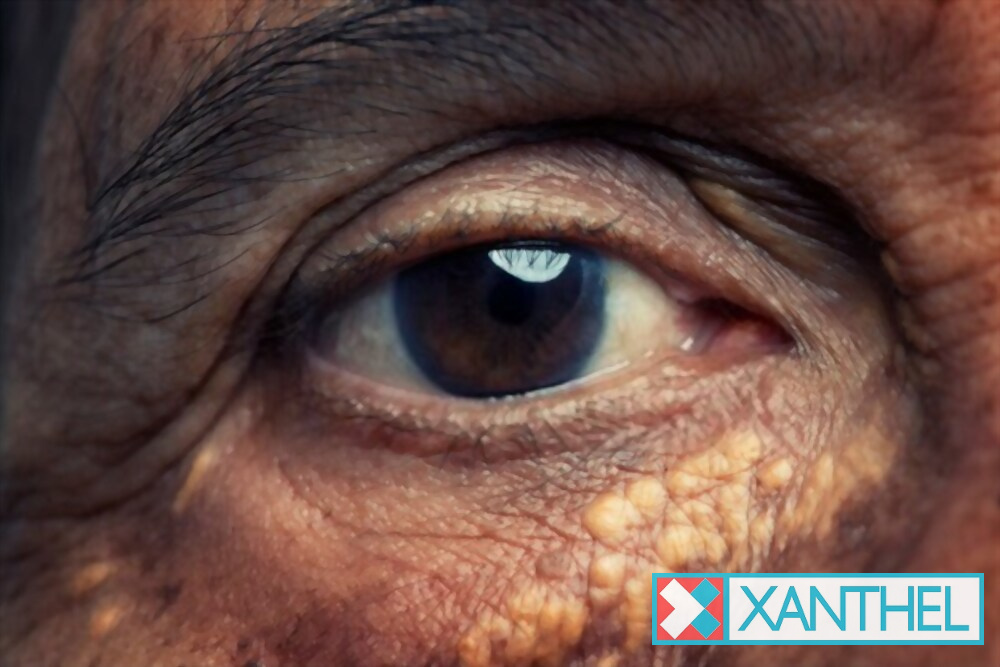
Xanthelasma can appear on any skin tone. On lighter skin it tends to look lemon-yellow, while on deeper skin tones it can look more orange or tan, with the same soft, flat texture. It’s most common in adults over 40, and in women, though men and younger people get it too.
It can also run in families. If you’re under 40, or several relatives have had high cholesterol or early heart problems, ask your doctor whether an inherited cholesterol condition should be checked. And if your patch is still small, our page on mild xanthelasma explains why it’s worth acting early.
Can Patches Like These Be Treated?
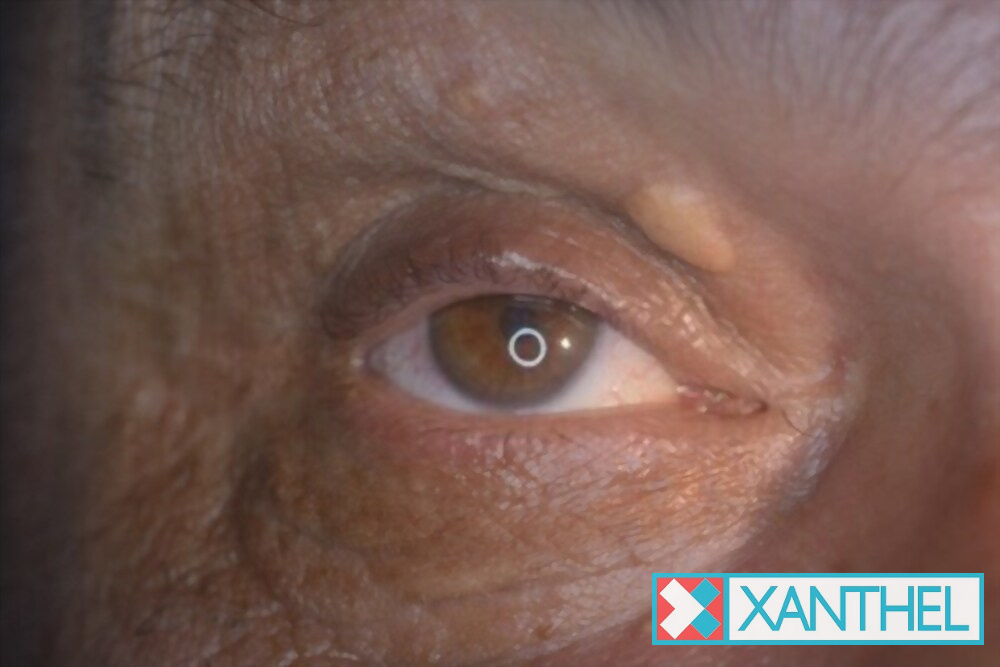
Yes. Clinics offer laser, freezing, chemical peels and surgery, which our guide to xanthelasma removal compares honestly. If you’d rather deal with it privately, Xanthel® is a cosmetic gel made up for your skin type and designed to improve the look of xanthelasma, usually with one application at home. Results vary, so see real customer photos on our before and after page.
Xanthelasma Photos: Questions People Ask
Can I Tell If I Have Xanthelasma From Photos?
Photos are a good guide. Soft, yellow patches on the eyelids, often near the nose, are very likely xanthelasma. A doctor can confirm it with a quick look.
Is Xanthelasma Always Yellow In Pictures?
Usually, yes. It ranges from pale lemon to orange-yellow, and can look more tan or orange on darker skin. White bumps are usually milia instead.
Do Patches Get Bigger Over Time?
Often, but slowly. They rarely fade on their own and tend to stay the same or grow over months or years.
Does Xanthelasma Mean High Cholesterol?
Sometimes. About half of people with xanthelasma have normal cholesterol, but a blood test is still worth having.
Can I Send You A Photo Of My Eyelids?
Yes. Email a clear, well-lit photo to sales@xanthelasmatreatment.com and we’ll give you honest advice on whether Xanthel® is suitable.
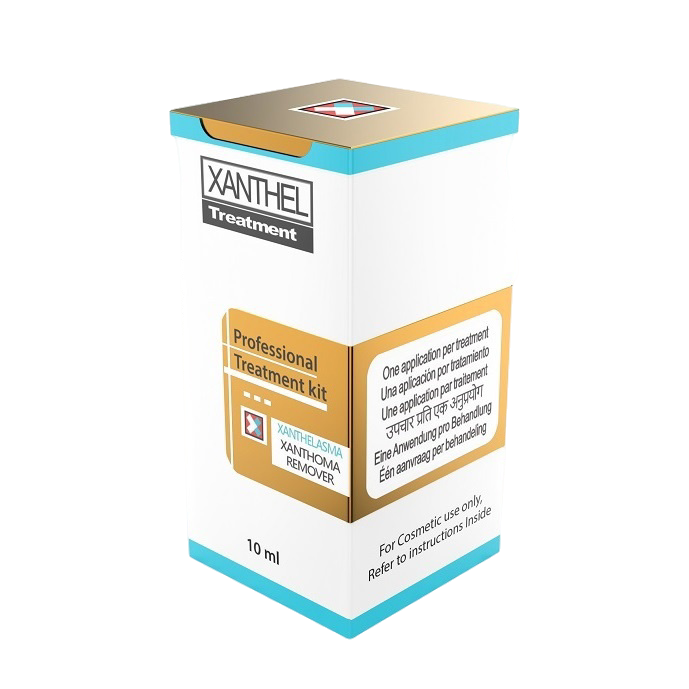
Xanthelasma Cream: For Patches Like The Ones In These Pictures
Recognised your own eyelids in these xanthelasma pictures? Xanthel® xanthelasma removal cream is a cosmetic gel designed to improve the look of xanthelasma without needles, lasers or time off, so you can stop worrying about those patches every time you look in the mirror. Results vary from person to person.
Made For Your Skin
Each kit is formulated to order for your skin type and tone, to be effective without causing any issues.
Simple, Private And Quick
Apply it at home in a couple of minutes, usually just once. No clinic, no needles, and free tracked delivery worldwide.