Xanthelasma Removal Surgery: What It Involves
Key Takeaways
Xanthelasma removal surgery cuts out the patch with a scalpel, usually under local anaesthetic, and closes the skin with fine stitches. It’s one of the most direct ways to remove xanthelasma, but it’s usually the most expensive, it leaves a scar line, and patches can come back.
- It’s done by an eyelid (oculoplastic), plastic or skin surgeon.
- Most operations take under an hour, and you go home the same day.
- Stitches usually come out after about a week, and bruising settles over one to two weeks.
- Large patches may need a skin graft, or combining with eyelid surgery (blepharoplasty).
- Cosmetic surgery is rarely covered by health insurance.
- Patches can return after excision, as with any treatment.
- Xanthel® is a cosmetic gel made for your skin type and used at home, with no surgery. Results vary.
Is Xanthelasma Removal Surgery Right For You?
If you’re thinking about having your xanthelasma cut out, you probably have a few questions on your mind. How well does it work? What does it cost? Will it leave a scar? And is there a way to avoid an operation altogether?
We’ll answer each of those honestly below. Surgery suits some people well, especially those with large or long-standing patches, but it isn’t the only option. Our guide to xanthelasma removal compares every method if you’d like the wider picture first.

What affects the cost of xanthelasma surgery
- Number of patchesTreating both eyes, or upper and lower lids, costs more than a single patch.
- Size and depthLarger or deeper patches take longer and may need more complex repair.
- Skin graftIf there isn’t enough spare skin to close the wound, a graft adds to the cost.
- Type of surgeonSpecialist eyelid and plastic surgeons usually charge more.
- AnaestheticSedation or general anaesthetic costs more than local numbing.
- Location and follow-upPrices vary widely by country, city and clinic, and some charge extra for check-ups.
Always ask for a full written quote, including follow-up visits. For a no-surgery option, see Xanthel®.
How Is Xanthelasma Removal Surgery Done?
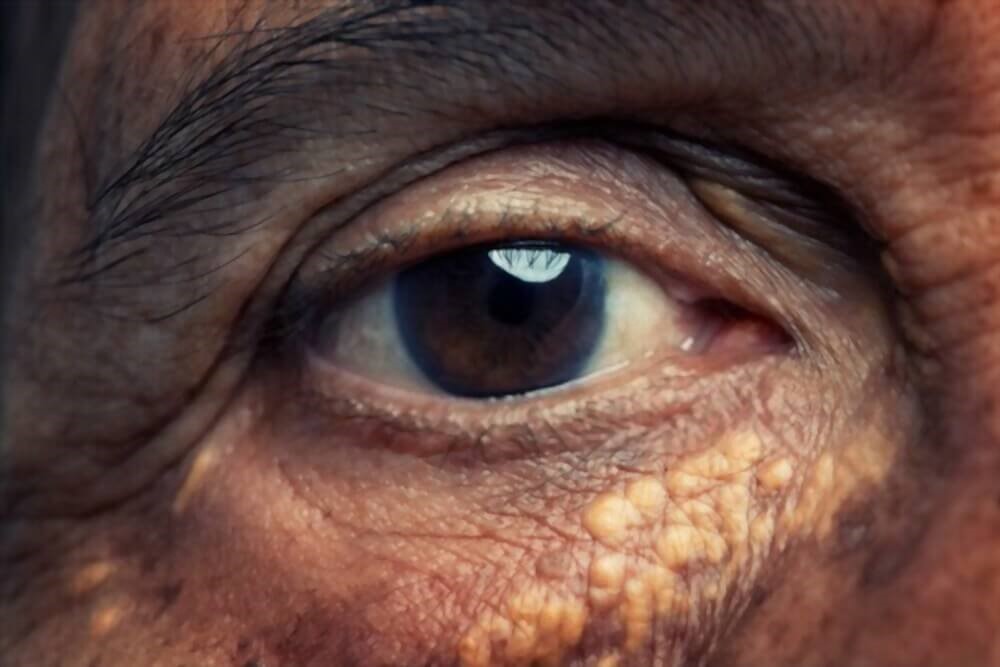
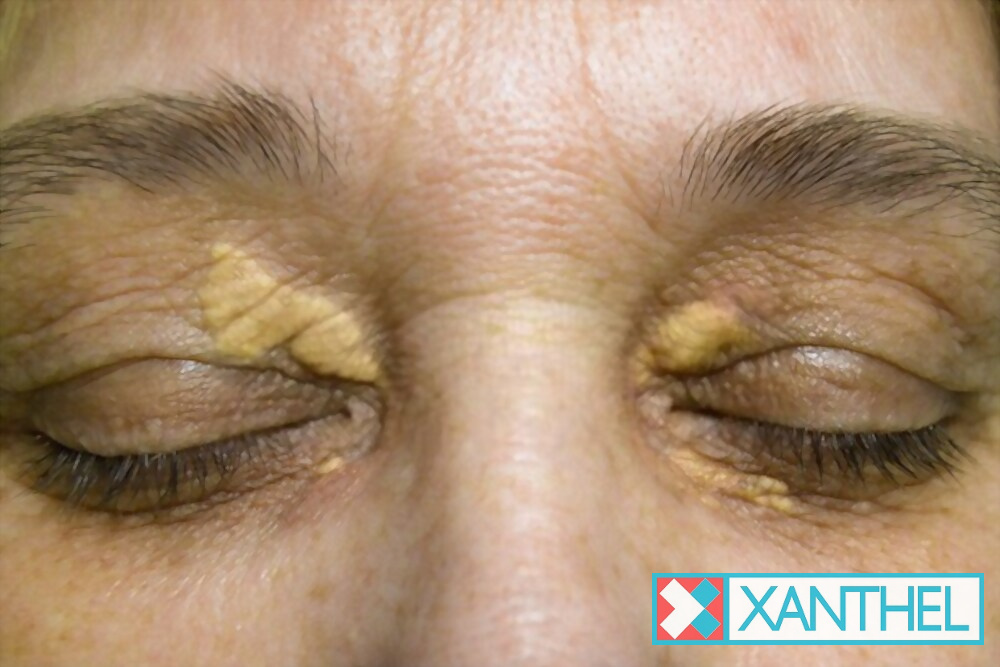
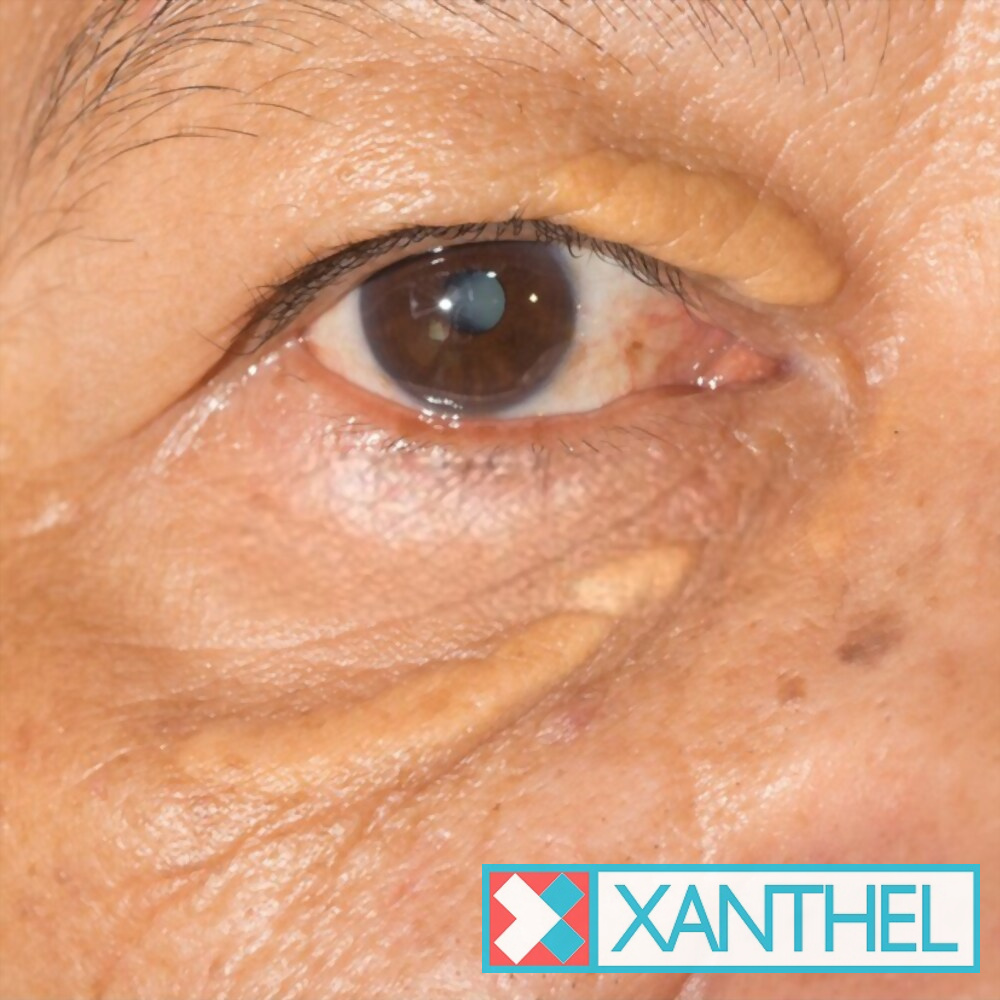
Xanthelasma is made of cholesterol-filled cells in the skin of the eyelid. In surgery, the surgeon removes that skin along with the patch, so the yellow area goes in one go rather than being worn down gradually.
It’s a small operation, but it’s still surgery close to your eye, so who does it matters. Look for an oculoplastic surgeon (a specialist in eyelids) or an experienced plastic or skin surgeon, and ask how many xanthelasma excisions they’ve done.
For small to medium patches, surgery is one of the most direct ways to remove them. The trade-off is that cutting always leaves a scar line. On the upper eyelid it can often be hidden in the natural crease, which is why some surgeons combine excision with eyelid-lift surgery, called blepharoplasty, when there’s loose skin to spare. The lower lid is trickier, because there’s less spare skin and removing too much can pull the lid downwards.
Before you book, ask to see before and after photos of the surgeon’s own work, and talk through what the scar is likely to look like on your skin.

What Happens During A Xanthelasma Operation?
You’ll usually be awake, with a local anaesthetic injection to numb the eyelid. The surgeon marks the patch, cuts it out with a small margin of normal skin, and closes the wound with fine stitches. Most operations take between 30 minutes and an hour, and you go home the same day with a small dressing or ointment. Stitches usually come out after five to seven days, and you’ll be asked to keep the area clean and dry until then.
What Are The Risks Of Xanthelasma Excision?
The main downsides are cost, a scar, and a week or two of looking bruised, which can mean time off work. Less often, there can be bleeding, infection, uneven eyelids or, on the lower lid, the lid being pulled down. Patches can also come back: StatPearls notes recurrence is common after surgical excision. There’s more on recovery and scarring after surgical removal on its own page.
Non-Surgical Alternatives To Xanthelasma Surgery
Surgery isn’t the only way to deal with xanthelasma. Dermatologists also use lasers, freezing and chemical peels, and there are cosmetic products designed for home use. Each has its own pros and cons, so here’s how they compare.
Xanthelasma Removal Surgery Compared With Other Options
| Option | How it works | Good to know |
|---|---|---|
| Surgery | Patch cut out under local anaesthetic, skin stitched | Direct, but leaves a scar line and usually costs the most |
| Laser | Laser vaporises the patch layer by layer | No stitches; may need more than one session and can change skin colour |
| Freezing | Patch frozen with liquid nitrogen | Quick, but can leave lighter patches of skin, especially on darker skin |
| TCA peel | Acid applied in a clinic to dissolve the patch | Several sessions; never safe to try at home |
| Xanthel® | Cosmetic gel made for your skin type, applied at home | Usually one application, no needles; results vary |
Want more detail? Compare every xanthelasma treatment
Can You Avoid Surgery For Xanthelasma?
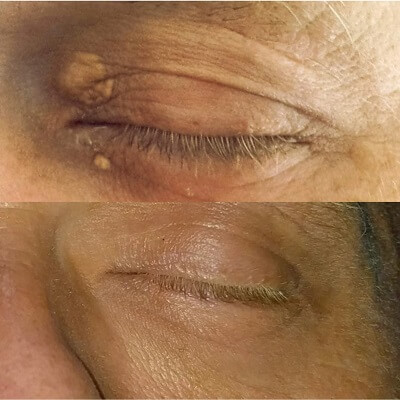
Often, yes. If you’d rather not have an operation, Xanthel® is a cosmetic gel made specifically for xanthelasma and used at home. Our founder, P. Cutler, developed it with consultant dermatologists after living with xanthelasma himself. Each kit is made up for your skin type and for where your patches are, and it’s usually applied just once. It’s designed to improve the look of xanthelasma, and results vary. You can see real customer photos on our before and after page.
Xanthelasma Surgery: Questions People Ask
Does Xanthelasma Surgery Leave A Scar?
Yes, every excision leaves a scar line. On the upper lid it can often be hidden in the crease, and most scars fade over several months.
How Long Does It Take To Recover From A Xanthelasma Operation?
Stitches usually come out after five to seven days. Bruising and swelling typically settle over one to two weeks.
Is Xanthelasma Excision Painful?
The eyelid is numbed, so you should feel pressure rather than pain. It may feel sore for a few days afterwards.
Can Xanthelasma Come Back After Surgery?
It can. Surgery removes the patch, but not the tendency to form new ones, so a cholesterol check with your doctor is worthwhile.
Is There An Alternative To Xanthelasma Removal Surgery?
Yes. Laser, freezing and chemical peels are clinic options, and Xanthel® is a cosmetic gel used at home. Results vary.
Xanthelasma Cream: An Option Without Surgery
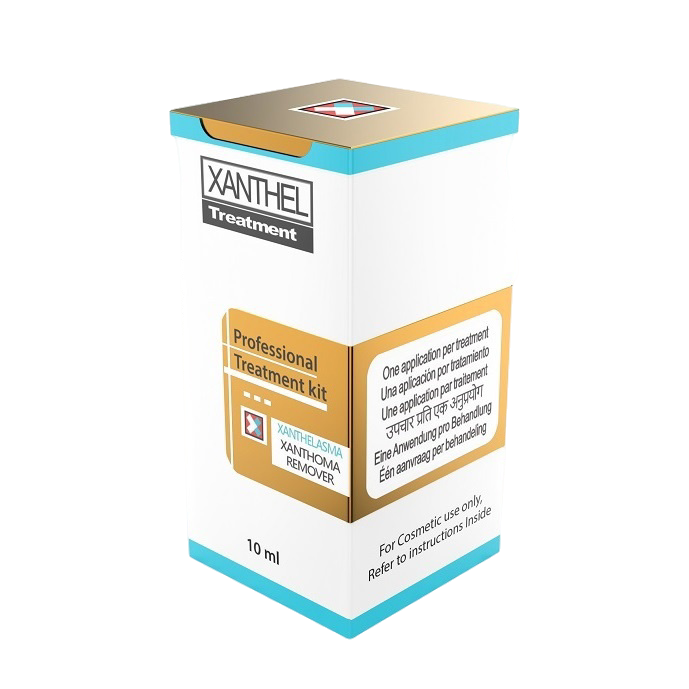
Not keen on xanthelasma removal surgery, stitches and a scar? Xanthel® xanthelasma removal cream is a cosmetic gel designed to improve the look of xanthelasma without needles, scalpels or time off, so you can stop worrying about those patches every time you look in the mirror. Results vary from person to person.
Made For Your Skin
Each kit is formulated to order for your skin type and tone, rather than one formula for everyone, so it’s designed to work on your patches while staying gentle on the skin around your eyes.
Simple, Private And Quick
Apply it at home in a couple of minutes, usually just once. No clinic, no needles, and free tracked delivery worldwide.