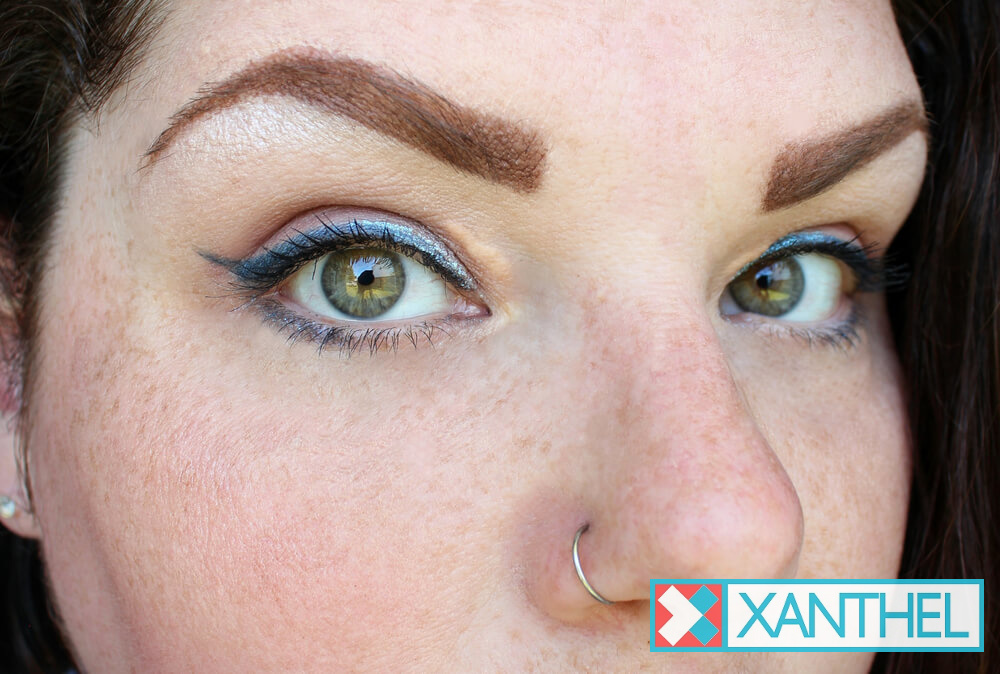
Xanthelasmata: When You Have More Than One Eyelid Patch
Key Takeaways
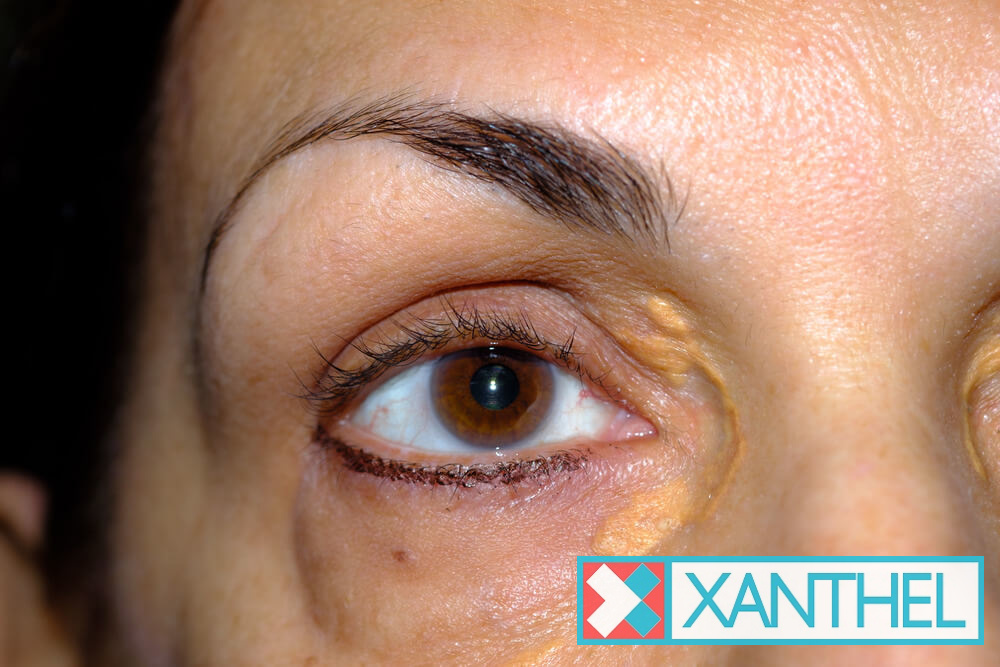
Xanthelasmata (also written xanthelasmas) are yellow, cholesterol-rich patches on the eyelids, and it’s common to have several at once. They often appear on both eyes and on the upper and lower lids, and they can slowly spread or join together. They’re harmless in themselves, but they’re a good reason to have your heart health checked.
- Xanthelasma is one patch. Xanthelasmata or xanthelasmas means more than one.
- Patches usually start at the inner corners and spread outwards.
- About half of people with them have normal cholesterol.
- Research links them with a higher risk of heart disease, so a check with your doctor is worthwhile.
- Large patches can make the eyelid feel heavy, but they rarely change its shape or affect eyesight.
- Xanthel® is a cosmetic gel made for your skin type to improve their look at home. Results vary.
What Are Xanthelasmata?
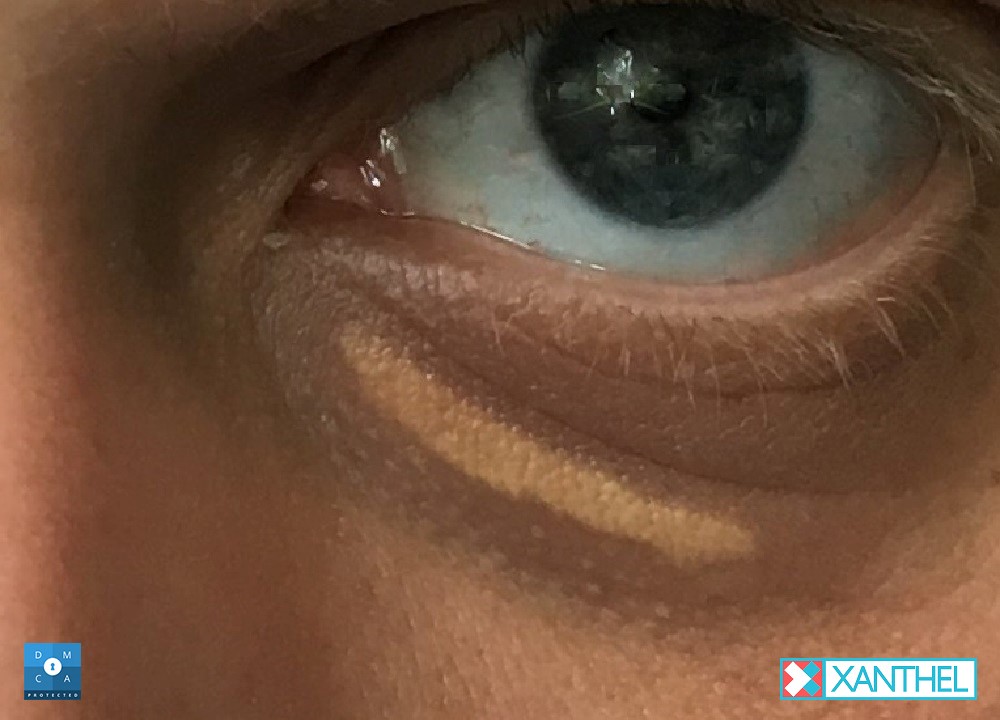
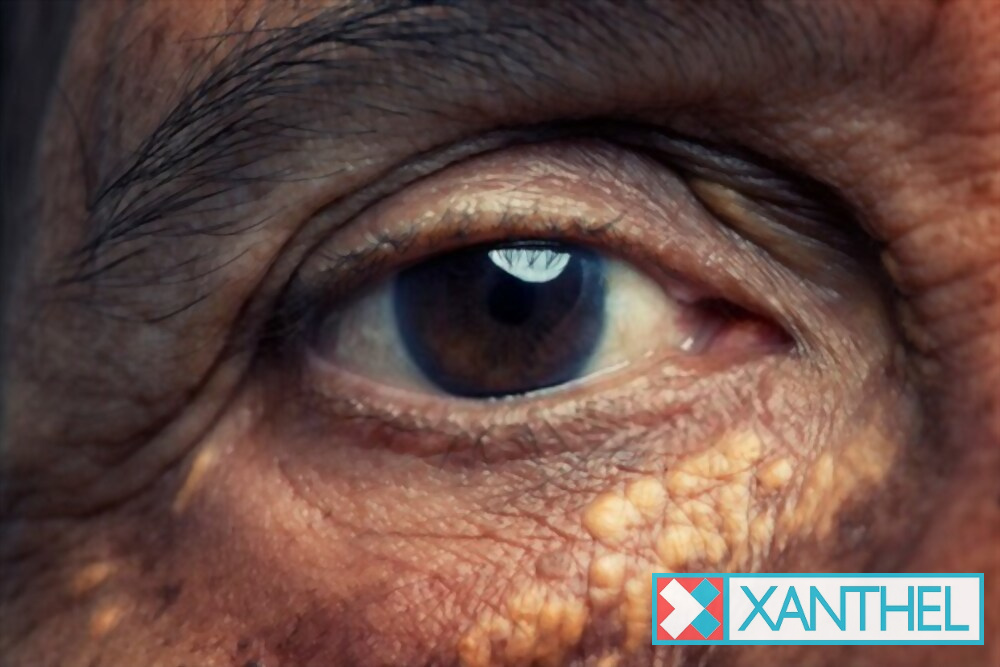
Xanthelasmata is simply the plural of xanthelasma. You’ll also see it written xanthelasmas, or misspelt xanthalasmas, but they all mean the same thing: more than one soft, yellowish patch of cholesterol in the skin of the eyelids. In plain English, they’re cholesterol deposits on the eyelids.
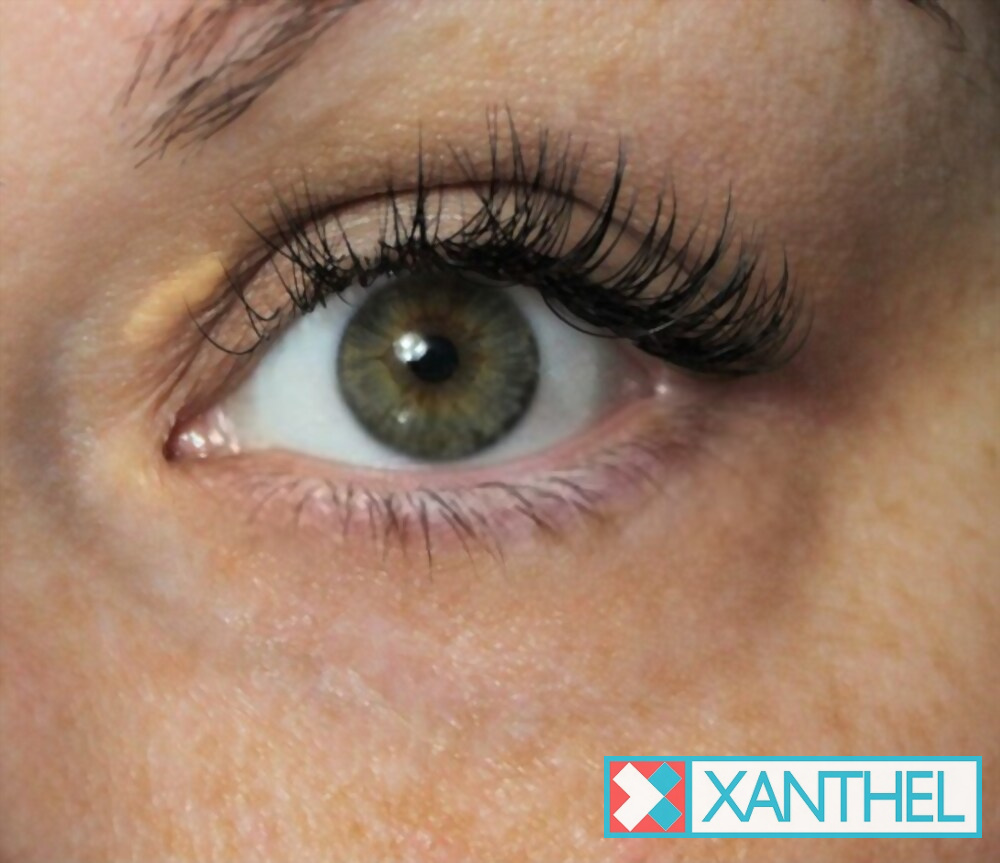
The full medical name is xanthelasma palpebrarum, which just means “xanthelasma of the eyelids”. The patches are flat or slightly raised, painless, and don’t affect your eyesight. Most start near the inner corner of the upper lid, and many people go on to have several, on one or both eyes.

Why Do People Often Have Several?
Whatever made the first patch form is usually still there, so new ones tend to follow nearby, often on the other eye or the lower lid. About half of people with xanthelasma have normal cholesterol, according to StatPearls, so having several doesn’t automatically mean your levels are high. It does mean a quick blood test with your doctor is worth having.

Can Xanthelasmata Change The Shape Of Your Eyelid?
| Situation | What it means |
|---|---|
| Small patches | No effect on the eyelid’s shape or movement |
| Large or joined patches | Can make the lid feel heavy or look fuller |
| Very large patches | Rarely, can affect how the lid sits or closes |
| Your eyesight | Not affected in almost all cases |
| Surgery risk | Removing too much skin can pull the lower lid down (ectropion) |
| Best approach | Deal with patches while they’re small |
Why Do Xanthelasmata Form?
Xanthelasmata form when cholesterol-filled cells collect in the thin skin around the eyes. Doctors don’t fully understand why some people get them and others don’t. Thin eyelid skin and the way cholesterol moves through it probably play a part. They’re more common in people with:
- raised cholesterol or triglycerides, including inherited forms
- diabetes
- an underactive thyroid
- some liver conditions, or medicines that raise blood fats
- a family history of xanthelasma
A large Danish study in the BMJ also found that people with xanthelasmata had a higher risk of heart attack and heart disease, whatever their cholesterol level. That doesn’t mean you’ll have heart problems, but it’s a good reason to ask your doctor to check your cholesterol, blood sugar and blood pressure. There’s more on our xanthelasma causes page.

What Happens If Xanthelasmata Spread Or Join Up?
Xanthelasmata rarely fade on their own. Most grow slowly over months or years, and patches close together can merge into a single band across the lid. When that happens on both eyes, it’s called bilateral xanthelasma, and it’s very common.
Large patches can make the eyelid feel heavier, but they rarely change its shape or affect your eyesight. The bigger issue is treatment: the more skin they cover, the harder they are to remove without leaving marks, and surgery on very large areas carries a risk of pulling the lid out of shape. That’s why it’s worth acting while they’re small.

Can You Treat Several Xanthelasmata At Once?
Yes. Clinics can remove several patches in one visit, usually with laser, freezing, a chemical peel or surgery, though larger areas may need more than one session. Our guide to xanthelasma removal compares each option honestly, including cost and recovery.
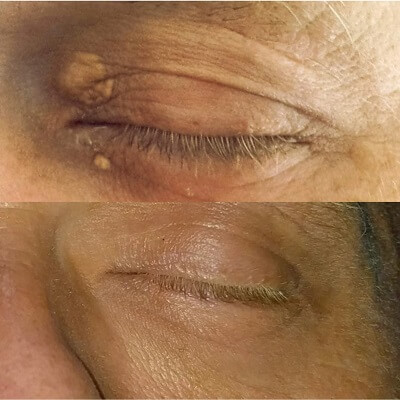
If you’d rather deal with them privately, xanthelasma removal at home is possible with the right product. Xanthel® is made up for your skin type and for where your patches are, so one kit can cover patches on the upper and lower lids, and on both eyes. It’s designed to improve the look of xanthelasma, usually with a single application. Results vary, and you can see real customer photos on our before and after page.
In the meantime, several patches can be harder to hide than one. A lilac colour corrector under a matte concealer helps tone down the yellow while you decide what to do.
Xanthelasmata: Questions People Ask
Is Xanthelasmata The Plural Of Xanthelasma?
Yes. Xanthelasma is one patch, and xanthelasmata or xanthelasmas means more than one. Both plurals are correct.
Is It Spelled Xanthelasmas Or Xanthalasmas?
Xanthelasmas is the correct spelling. Xanthalasmas is a common misspelling, but people mean the same eyelid patches.
Are Several Xanthelasmata More Serious Than One?
Not usually. The number of patches doesn’t tell you how serious it is, but it’s a good reason to get your cholesterol and blood sugar checked.
Do Xanthelasmata Affect Your Eyesight?
Almost never. They sit in the skin of the eyelid, not in the eye. Very large patches can make the lid feel heavy.
Can Xanthel® Treat Patches On Both Eyes?
Yes. Each Xanthel® kit is made up for where your patches are and for your skin type, including both eyes and the upper and lower lids. Results vary.
Xanthelasma Cream: For Several Patches At Once
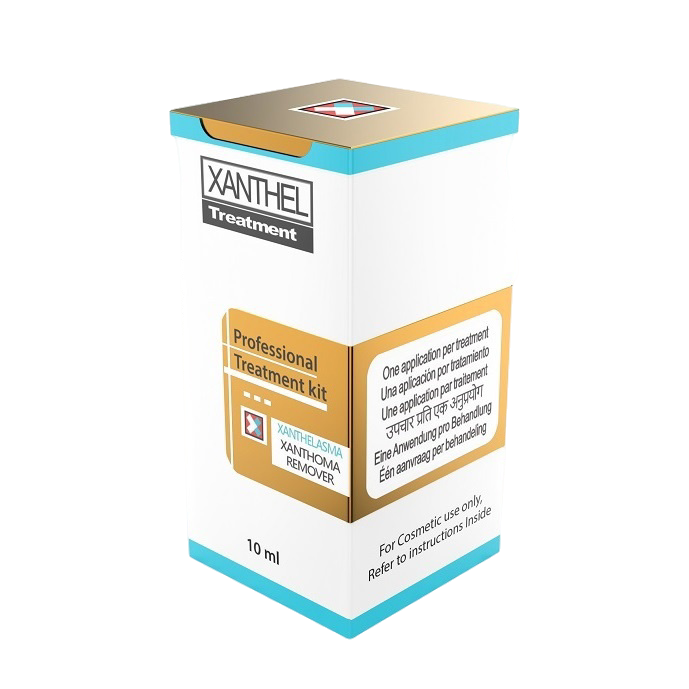
Want to deal with several xanthelasmata without a clinic? Xanthel® xanthelasma removal cream is a cosmetic gel designed to improve the look of xanthelasma without needles, lasers or time off, so you can stop worrying about those patches every time you look in the mirror. Results vary from person to person.
Made For Your Skin
Each kit is formulated to order for your skin type and tone, to make sure its a s effective as can be.
Simple, Private And Quick
Apply it at home in a couple of minutes, usually just once. No clinic, no needles, and free tracked delivery worldwide.