High Cholesterol Eyes: What It Means
Key Takeaways
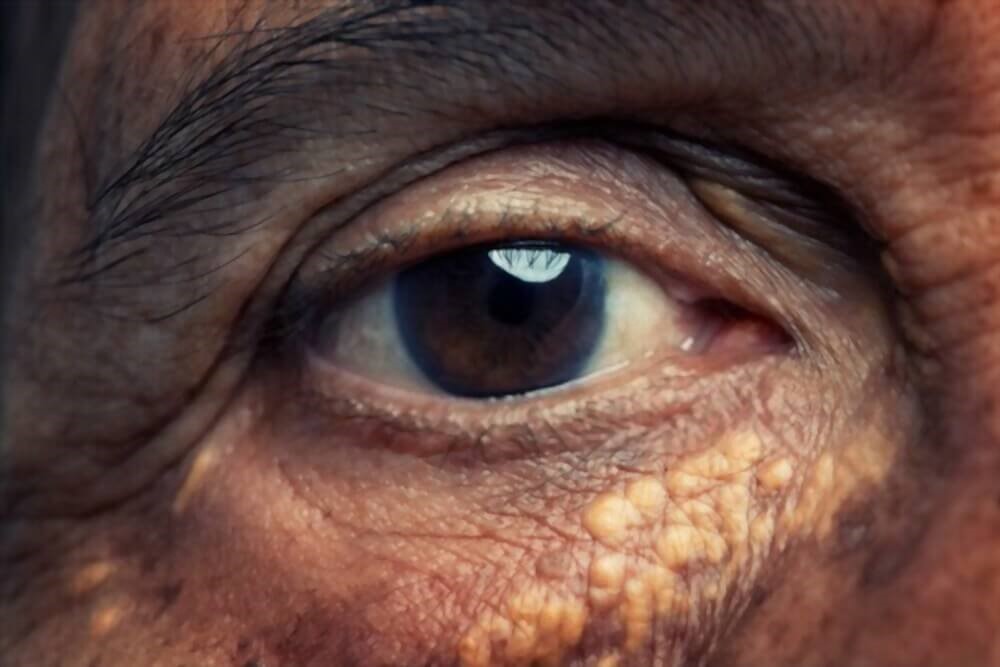
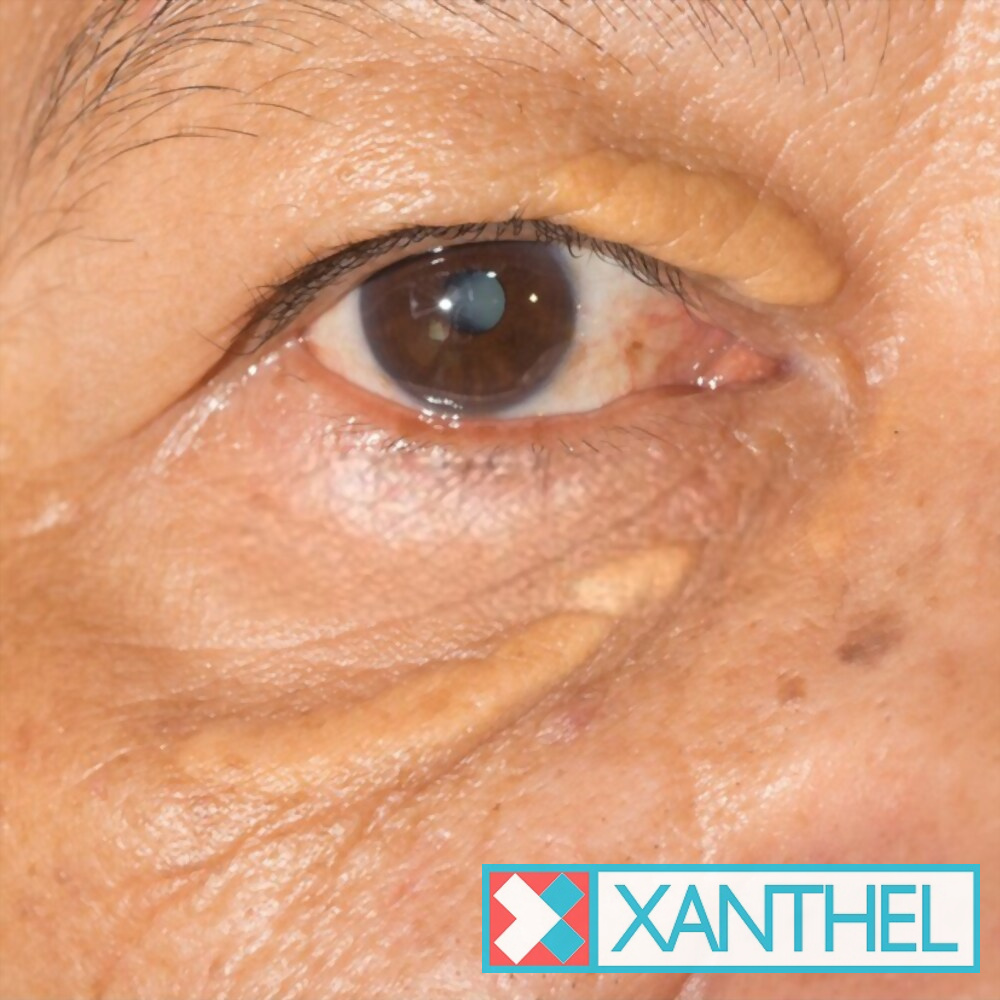
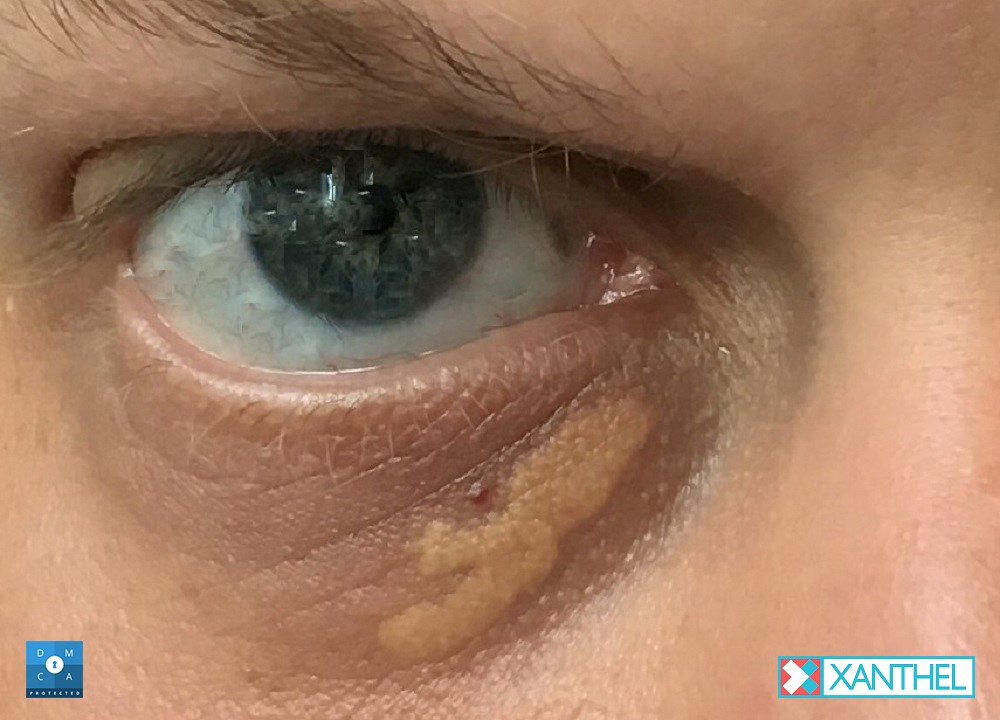
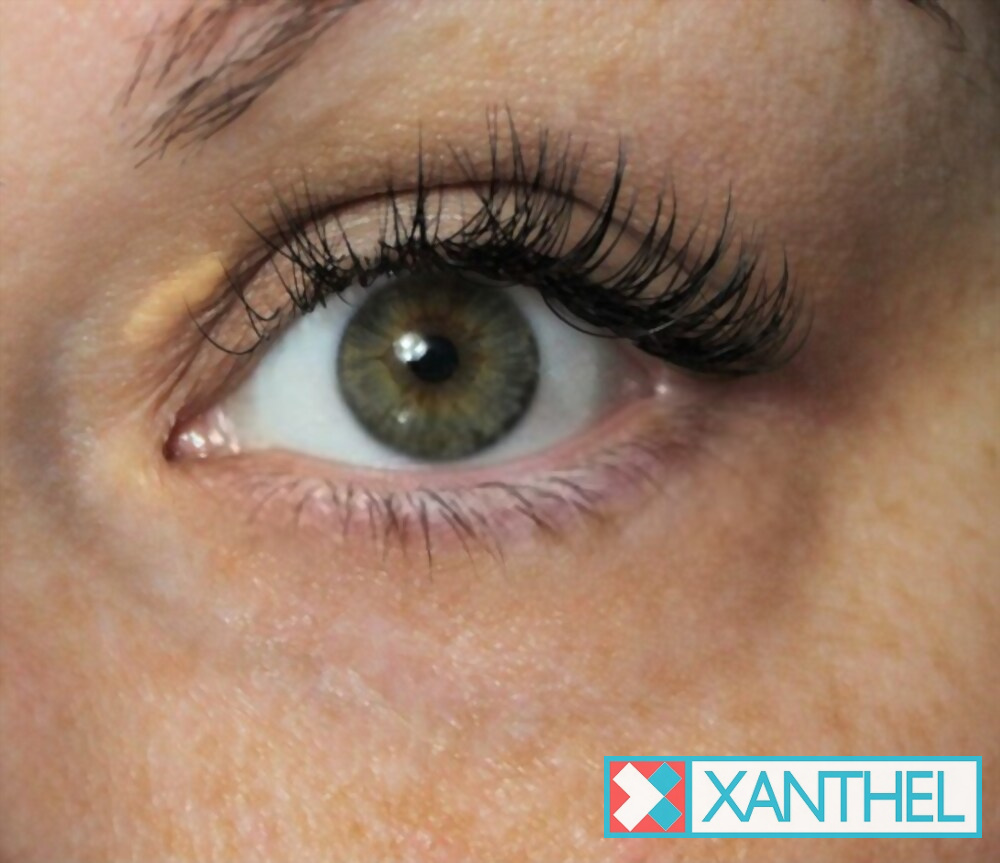
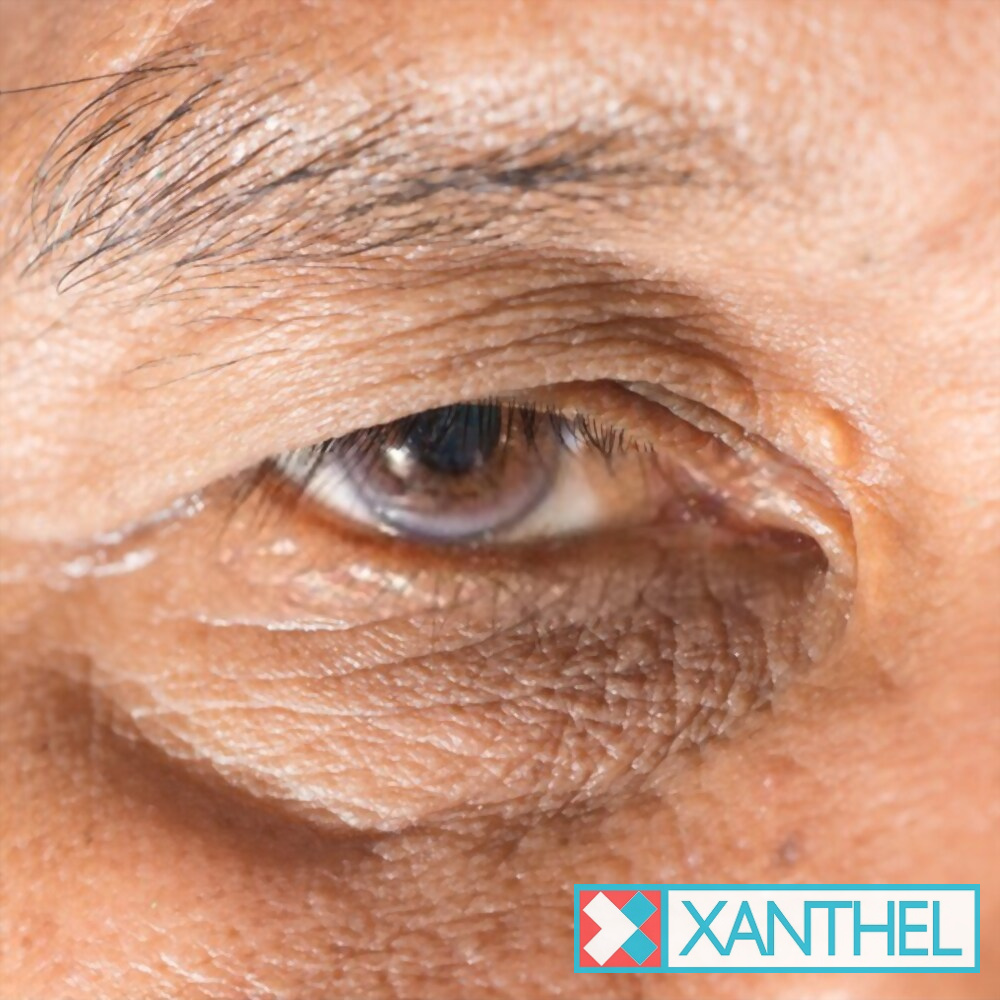
“High cholesterol eyes” usually means xanthelasma: soft, yellow cholesterol deposits on the skin of the eyelids. It can also mean corneal arcus, a pale ring around the coloured part of the eye. Both can be linked to raised cholesterol, but they’re different things.
- Xanthelasma sits on the eyelid skin, most often near the inner corner.
- Corneal arcus is a grey-white ring in the eye itself, around the iris.
- Neither one hurts or affects your eyesight.
- About half of people with eyelid patches have normal cholesterol.
- Either can be a sign of raised cholesterol, especially before age 45.
- A cholesterol blood test from your doctor is the sensible first step.
- Xanthel® xanthelasma removal cream is a cosmetic gel for eyelid patches only. It must never be used in the eye.
What Are High Cholesterol Eyes?
If you’ve spotted soft yellow patches on your eyelids and searched “high cholesterol eyes”, you’re probably worried about what they say about your health. Take a breath. They’re very common, they don’t hurt and they won’t harm your eyesight.
Their proper name is xanthelasma palpebrarum: small cholesterol deposits that build up just under the thin skin of the eyelid. They’re often linked to raised blood fats, but not always, and one simple blood test will tell you which.
Cholesterol Spots On Eyes Or In Them?
| Sign | Xanthelasma (on the eyelid) | Corneal arcus (in the eye) |
|---|---|---|
| Where | On the eyelid skin, usually near the inner corner | On the clear front of the eye, around the coloured iris |
| Looks like | Soft, flat or slightly raised yellow patches | A grey, white or bluish ring or arc |
| Cholesterol link | Raised in about half of people | Common and usually harmless over 60; more significant under 45 |
| Cosmetic option | Yes. Xanthel® is made for eyelid patches | No. It’s inside the eye, so see your doctor or optician |
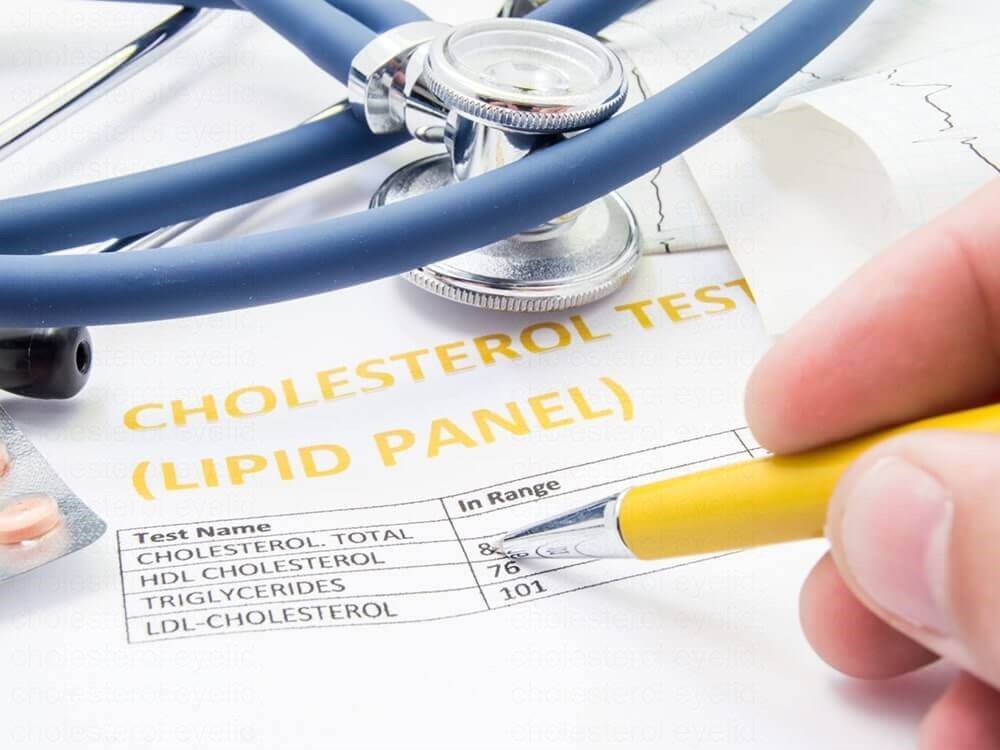
Whichever one you have, a cholesterol blood test from your doctor is a sensible first step.
Cholesterol In Eyes Or On The Eyelids?
Cholesterol can show up in the eye itself, as the pale ring called corneal arcus. But most people searching for cholesterol in eyes mean the yellow spots on the eyelid skin. Our guide to cholesterol bumps on the eyelid shows what they look like and who tends to get them.
Do they mean you have high cholesterol? Not necessarily. About half of people with xanthelasma have normal cholesterol levels, according to NIH StatPearls. In the other half, blood tests show raised LDL (“bad”) cholesterol or triglycerides. Sometimes that comes from an inherited condition called familial hypercholesterolaemia, which is more likely if the patches appear before 40.
Can High Cholesterol Eye Bumps Point To Heart Problems?
They can be a clue. A large Danish study of nearly 13,000 people, published in the BMJ, found that people with xanthelasma had a higher risk of heart attack and heart disease, even when their cholesterol wasn’t raised.
That isn’t a reason to panic, but it is a good reason to book a check-up. Cholesterol is a fatty substance, mostly made by your liver and partly taken in from food. Your body needs some, but problems start when there’s too much in your blood for too long.
How To Treat High Cholesterol Eye Bumps
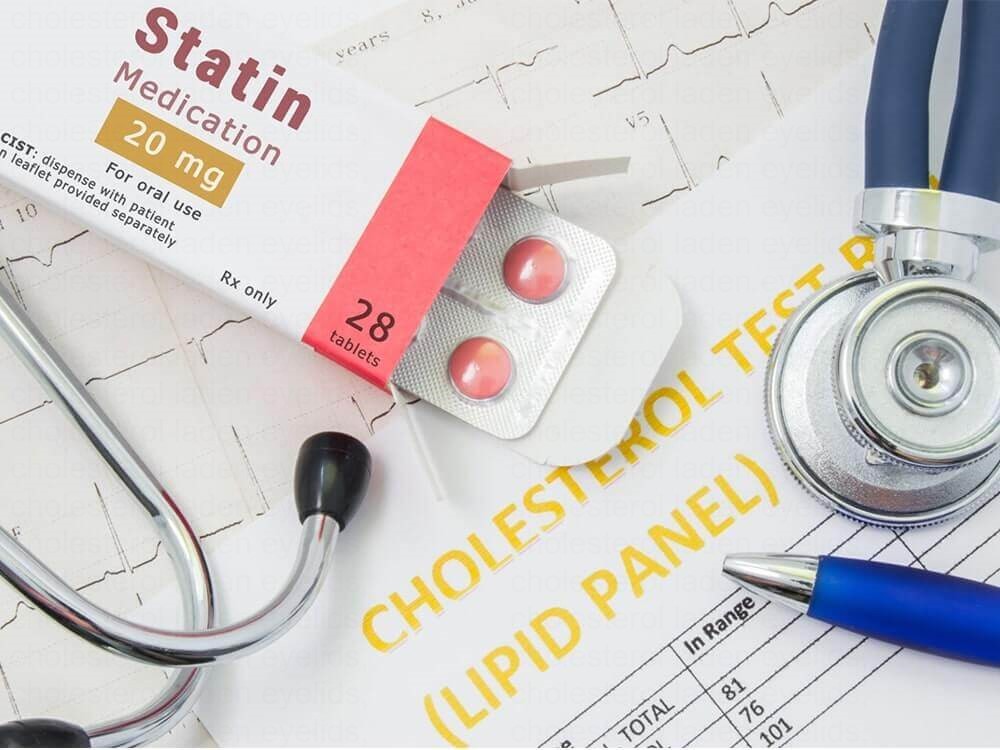
There are two jobs here. If a blood test shows raised cholesterol, your doctor may suggest diet and lifestyle changes, or a medicine such as a statin, to protect your heart. That’s well worth doing, though it rarely shrinks patches you already have. For the patches themselves, our xanthelasma treatment guide compares clinic and at-home options side by side.
Eyes And Cholesterol: What To Do Next
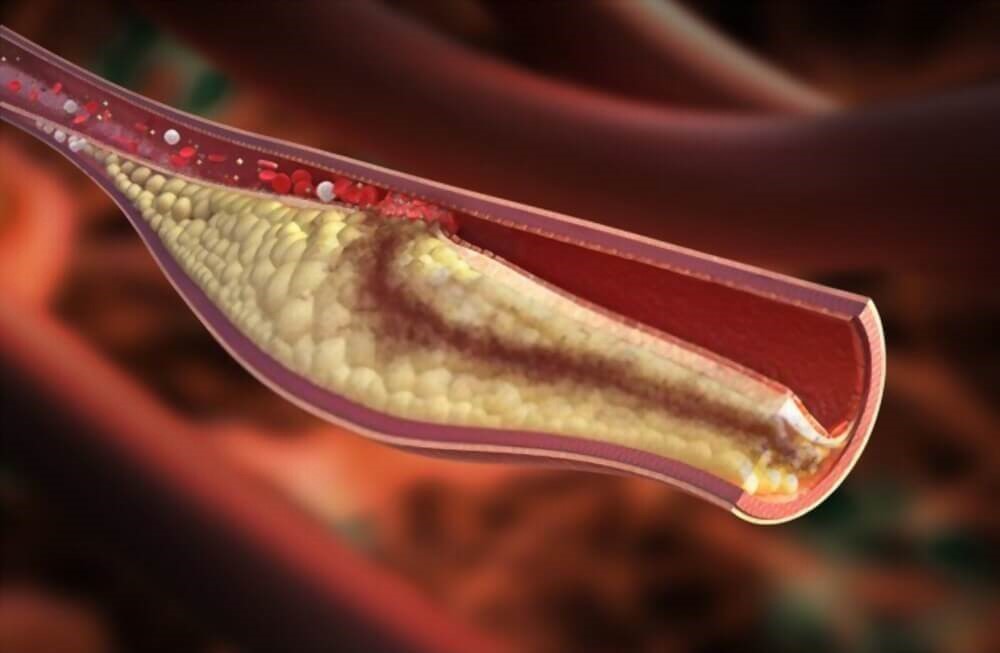
Cholesterol spots on the eyes are a nudge to look after your heart, not a diagnosis. Over time, too much cholesterol in the blood can build up as fatty plaques in the arteries, narrowing them and raising the risk of heart attack and stroke. The spots don’t cause this, but they can be an early sign worth acting on.
- Get a blood test. Ask your doctor to check your cholesterol, triglycerides and blood sugar.
- Eat for your heart. Our xanthelasma diet guide has simple food swaps.
- Move more and stop smoking. Both are good for your cholesterol and your heart.
- Leave the patches alone. Don’t squeeze them or put acids or garlic near your eyes.
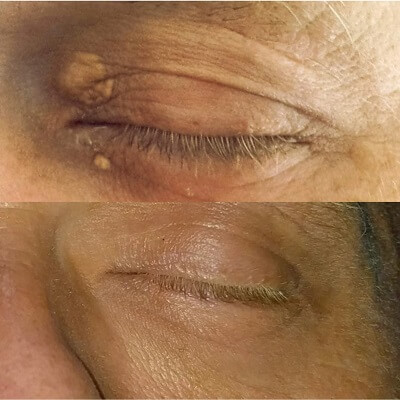
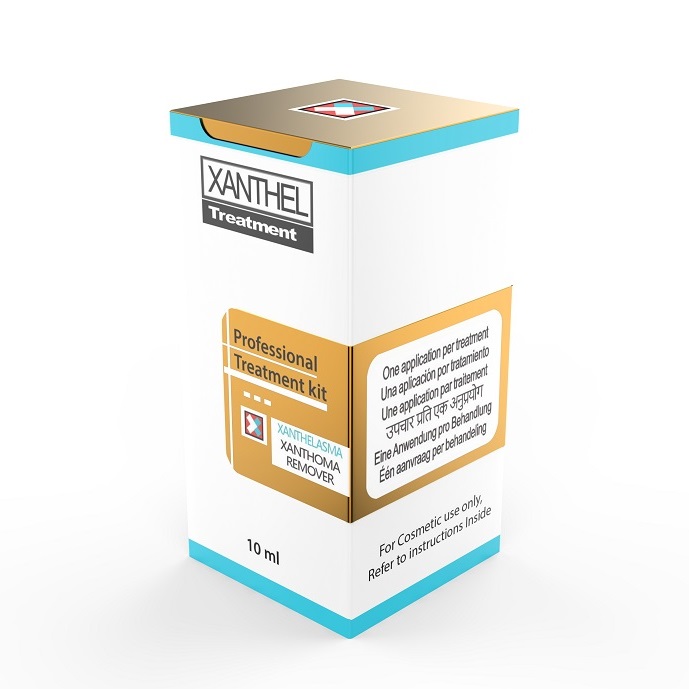
When you’re ready to deal with how the patches look, Xanthel® xanthelasma removal cream is a cosmetic gel designed to improve the look of xanthelasma at home. Have a look at real before and after photos first. Results vary.
High Cholesterol Eyes: Questions People Ask
Do Yellow Spots On The Eyes Always Mean High Cholesterol?
No. About half of people with yellow patches on their eyelids have normal cholesterol. A simple blood test is the only way to know.
Will Cholesterol Spots On Eyes Go Away If I Lower My Cholesterol?
Rarely. Lowering it is good for your heart and may help stop new ones forming, but existing patches usually stay unless they’re treated.
Are High Cholesterol Eye Bumps Dangerous?
The bumps themselves aren’t. They’re not cancerous and don’t affect your sight, but they’re a good reason to get your heart health checked.
Is A White Ring Around The Eye A Sign Of High Cholesterol?
It can be. A pale ring around the iris is called corneal arcus. It’s common and usually harmless over 60, but worth checking if you’re younger.
Can Cholesterol Deposits In The Eye Be Treated With A Cream?
No. Nothing should go into the eye itself. Xanthel® is a cosmetic gel for patches on the eyelid skin only.