Cholesterol On Eyelids Removal: Your Options
Key Takeaways
Cholesterol on eyelids removal means treating the patch itself, with a cosmetic product at home or a clinic procedure. These yellow cholesterol deposits rarely fade on their own, and diet or cholesterol medicine seldom shifts deposits that are already there.
- The deposits are soft, yellow patches of cholesterol-rich fat just under the eyelid skin.
- They often grow slowly, so smaller deposits are simpler to deal with.
- Clinic options include surgery, laser, freezing and chemical peels, each with some risk of scarring or colour change.
- Xanthel® xanthelasma removal cream is a cosmetic gel made for your skin type and used at home.
- Deposits can come back after any method, especially if cholesterol stays high.
- Ask your doctor for a cholesterol blood test before or alongside removal.
How To Get Rid Of Cholesterol Deposits On Eyelids
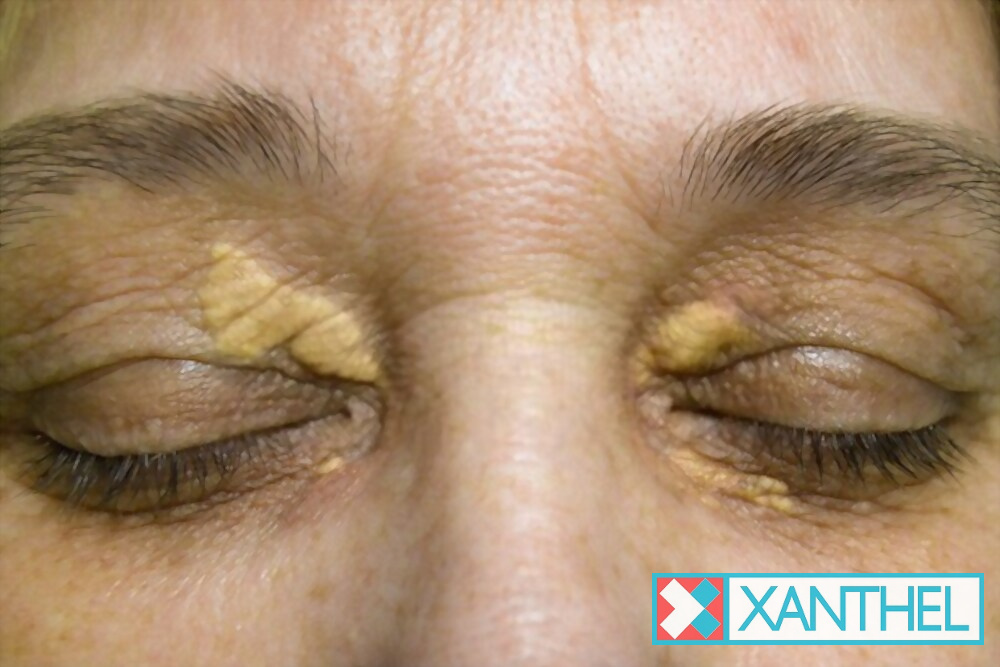
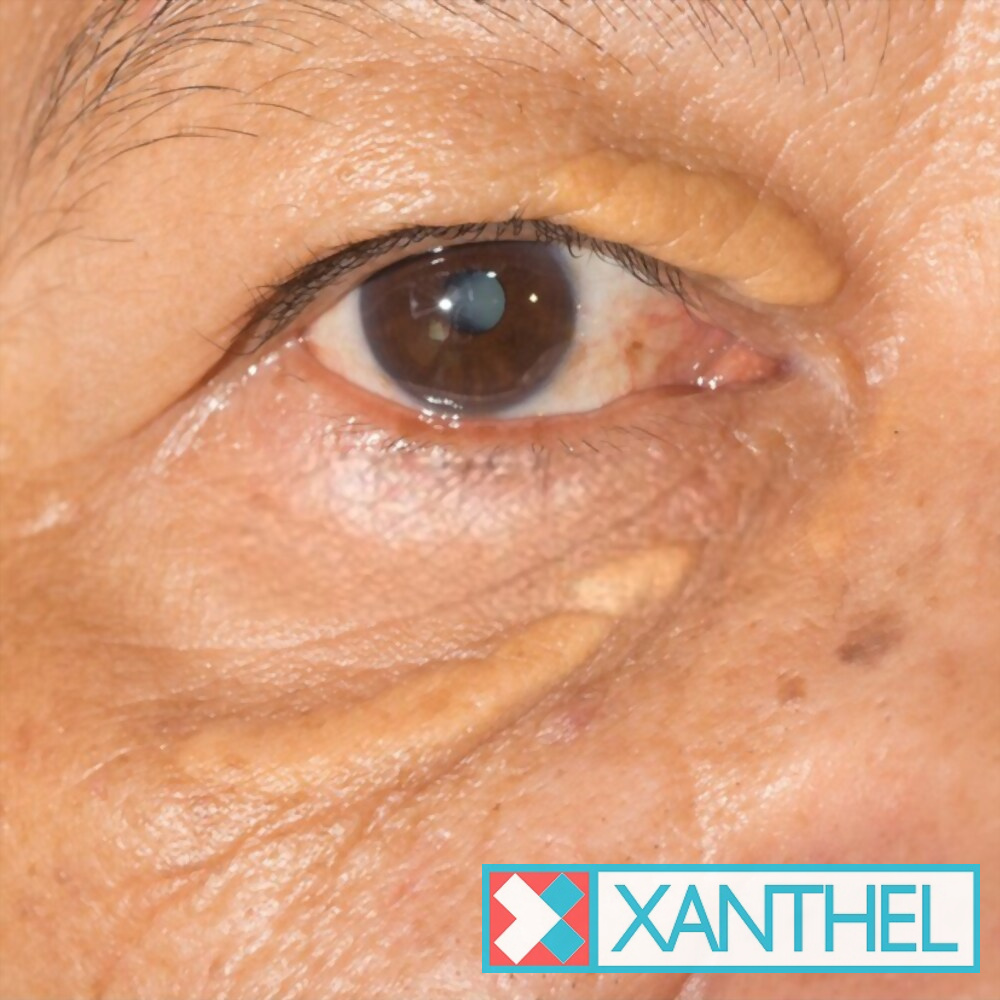
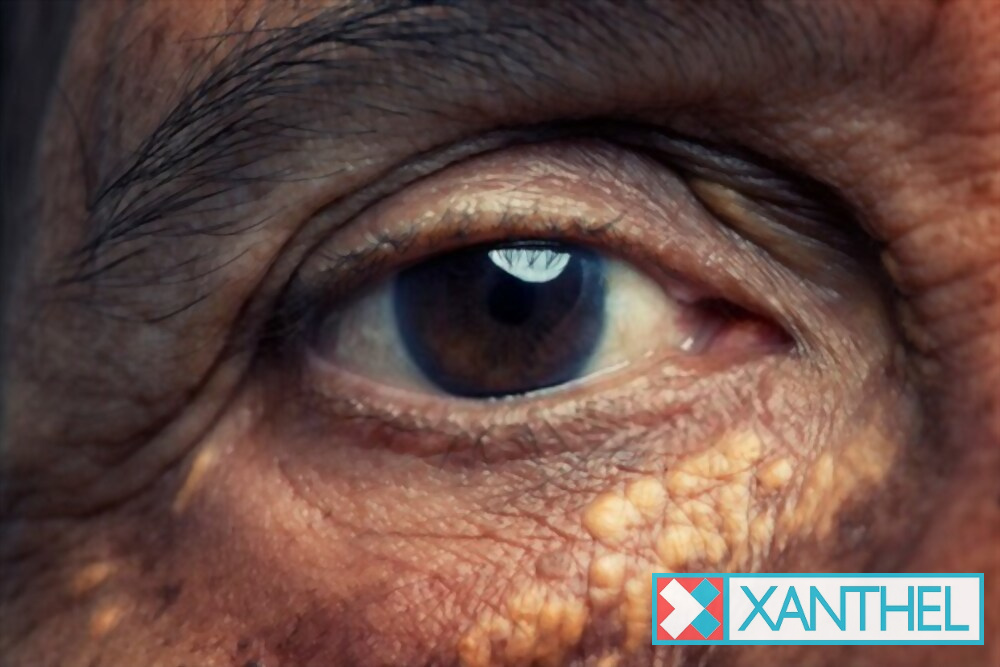
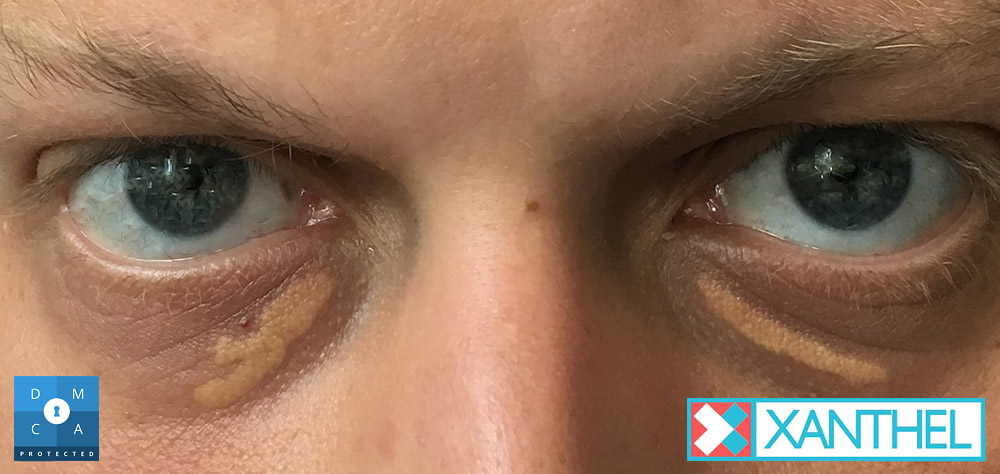
Noticed soft yellow bumps on your eyelids? They’re cholesterol deposits, known medically as xanthelasma, and you have real options for removing them. Some are done in a clinic and some at home. Below we compare what works, what doesn’t, the costs and the risks, so you can pick what suits you.
What Removes Cholesterol Spots, And What Doesn’t
| Option | Will it shift existing deposits? |
|---|---|
| Xanthel® gel | Designed to improve their look, used at home. |
| Surgery | Yes, in a clinic. Leaves a fine scar. |
| Laser | Often, in a clinic. May need several sessions. |
| Freezing | Sometimes, in a clinic. Can lighten the skin. |
| TCA peel | Sometimes, in a clinic. Never try it at home. |
| Diet or medicine alone | No, but good for your heart. |
| Garlic or castor oil | No, and they can irritate the skin. |
| Squeezing or cutting | No. Never try it near the eye. |
Diet and medicine won’t remove existing deposits, but they help your heart and may mean fewer new ones.
Why Cholesterol Spots Appear, And Why They Stay
A yellow spot on your eyelid forms when fat from your blood slips out of tiny vessels into the thin skin. Immune cells soak it up, turn foamy and yellow, and gather together until you can see them. It’s a little like a slow leak under the floorboards: by the time you see the stain, the water has already soaked in, and fixing the pipe won’t dry the patch. Once the fat is in the skin, it doesn’t drain away by itself.
That’s why cholesterol deposits rarely fade, even when your cholesterol comes down. They tend to stay the same or grow slowly, and new spots can appear nearby. Removing them means treating the patch itself. Our guide to xanthelasma causes explains why some people get them and others don’t.
Cholesterol Deposits On Eyelids Treatment In A Clinic
If you’d like a clinic to remove your cholesterol deposits, a dermatologist or eyelid surgeon will usually offer one of these. Each can work well in the right hands, and each has trade-offs in cost, recovery time and the risk of marks. The best choice depends on the size and depth of your deposits, your skin tone and how much downtime you can take.
Surgery
The patch is cut out under local anaesthetic and the skin stitched. It suits larger or thicker deposits but leaves a fine scar and needs a week or two to heal. Our xanthelasma surgery page explains what recovery involves.
Laser
A laser vaporises the patch layer by layer. Small, flat spots respond best, and thicker ones may need several sessions. Expect redness for about a week, and colour changes are possible. See xanthelasma laser removal.
Freezing And Chemical Peels
Freezing with liquid nitrogen and TCA acid peels destroy the top layers of skin along with the patch. Both are quick, but can leave lighter or darker skin, especially on darker skin tones. Read more about xanthelasma cryotherapy and TCA for xanthelasma.
What Does It Cost?
Removal is usually classed as cosmetic, so it’s normally private. UK clinics advertise treatments from a few hundred pounds to well over £1,000. Always ask for a full quote, including follow-up visits. Our xanthelasma removal and xanthelasma treatment guides compare every option in more detail.
Should You Get Your Cholesterol Checked First?
Yes. Cholesterol deposits on the eyelids are often a sign of raised fat in the blood: high LDL cholesterol, high triglycerides or low HDL cholesterol. But not always. About half of people with them have completely normal cholesterol, according to NIH StatPearls. A simple blood test is the only way to know which group you’re in, and it takes just a few minutes at your doctor’s surgery or a local clinic.
It’s worth doing even if you feel perfectly well. A large Danish study of nearly 13,000 people, published in the BMJ, found that people with these deposits had a higher risk of heart attack and heart disease, whatever their cholesterol levels. That isn’t a reason to panic. It’s a reason to get a check-up, especially if you’re under 40 or heart disease runs in your family, because an inherited form of high cholesterol is more likely in that case.
Ask your doctor for a blood test of your cholesterol, triglycerides and blood sugar, and sometimes your thyroid and liver too. Diabetes, an underactive thyroid and liver problems can all make deposits more likely, and treating them helps your health whatever you decide about the deposits.
If your results are high, diet changes, more exercise, stopping smoking and sometimes a statin will bring them down. That protects your heart and may make new deposits less likely, though it rarely shrinks the ones you have. It also helps after removal, because deposits are more likely to come back when blood fats stay high. Our xanthelasma diet guide has simple food swaps.
Your optician can also spot signs of high cholesterol during a routine eye test, such as a pale ring around the coloured part of the eye. Our page on high cholesterol eyes explains the difference between that and eyelid deposits.

Removing Cholesterol Deposits At Home
Many people would rather deal with cholesterol deposits privately, without clinic visits, needles or time off. That’s understandable, but please be careful what you try. The eyelid is some of the thinnest skin on your body, right next to your eye, so mistakes can be painful and hard to undo.
Never cut, squeeze, pick or burn a deposit, and never use acids, garlic, needles or “plasma pens” bought online. These can burn the skin, cause infection or leave scars, and they rarely shift the fat underneath. Natural remedies such as garlic and castor oil won’t shift deposits either, and garlic can burn. Our guide to xanthelasma home removal explains what’s safe and what isn’t.
If you’d like an at-home option made for the job, Xanthel® xanthelasma removal cream is a cosmetic gel designed to improve the look of xanthelasma. Each kit is formulated to order for your skin type and tone, as a cream or gel to suit where your deposits are. You apply it yourself in a couple of minutes, usually just once, following the kit instructions. There’s no clinic visit, no needles and no time off, and if you’re unsure whether it suits your deposits, you can ask our team first.
You can see what’s possible in our before and after photos, shared by real customers, including close-ups taken days and months after treatment. Results vary from person to person, and deposits can come back after any method, so keeping your cholesterol healthy afterwards gives you the best chance of staying clear.
Cholesterol Deposit Removal: Questions People Ask
How Do You Get Rid Of Cholesterol Bumps?
Clinic options include surgery, laser, freezing and chemical peels. At home, a cosmetic gel made for eyelid patches is the safe route. Diet alone won’t remove them.
Can Cholesterol Deposits On Eyelids Go Away Naturally?
Very rarely. Lowering your cholesterol is good for your heart, but existing deposits usually stay unless they’re treated.
Does Removing Cholesterol Deposits Leave A Scar?
It can. Surgery leaves a fine scar, and laser, freezing and peels can cause marks or colour changes. Ask any clinic about the risks for your skin.
Is Cholesterol Spot Removal Painful?
Clinic treatments use numbing cream or local anaesthetic, but you may feel stinging. Xanthel® can tingle as it works. Everyone’s experience differs.
Do Cholesterol Deposits Come Back After Removal?
They can, after any method. Keeping your cholesterol, blood sugar and weight healthy gives you the best chance of staying clear.
Xanthelasma Cream For Cholesterol Spots On Eyelids
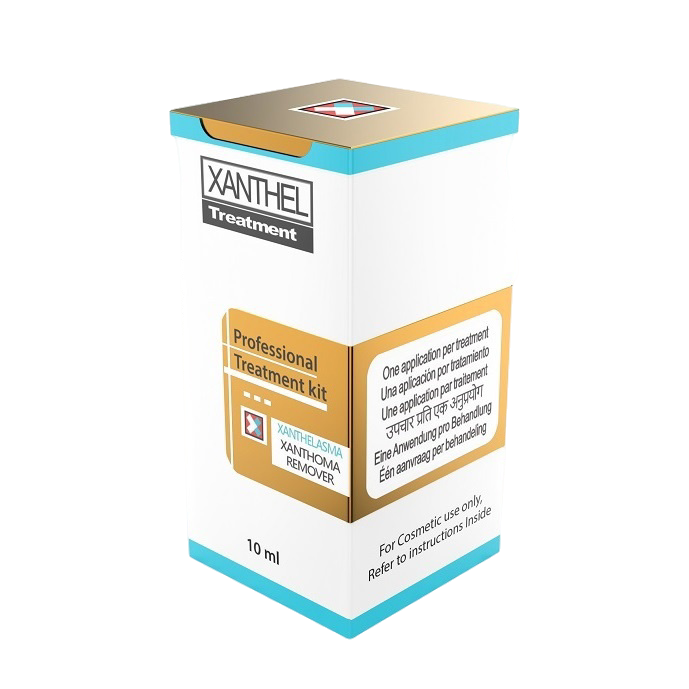
Ready for cholesterol on eyelids removal without the clinic? Xanthel® xanthelasma removal cream is a cosmetic gel designed to improve the look of xanthelasma at home, so those yellow spots stop being the first thing you notice. Results vary from person to person.
Made To Order For You
Each kit is formulated for your skin type and tone, as a cream or gel to suit your deposits.
Simple And Private
A couple of minutes at home, usually just once, with no needles and free tracked delivery.