Liquid Nitrogen For Xanthelasma: What To Expect
Key Takeaways
Liquid nitrogen for xanthelasma is a quick clinic treatment that freezes the patch. The freezing takes seconds, but the eyelid usually swells, blisters and crusts afterwards, and healing takes one to three weeks.
- A doctor protects your eye and applies the cold for a few seconds per patch.
- It stings while it’s applied, then feels sore and hot for a few hours.
- Swelling around the eye can be dramatic for a day or two.
- Don’t pick the blister or crust; let it fall off by itself.
- The skin can heal paler, especially on darker skin, and more than one session may be needed.
- Xanthel® xanthelasma removal cream is a cosmetic gel you use at home instead.
What Is Liquid Nitrogen Treatment For Xanthelasma?
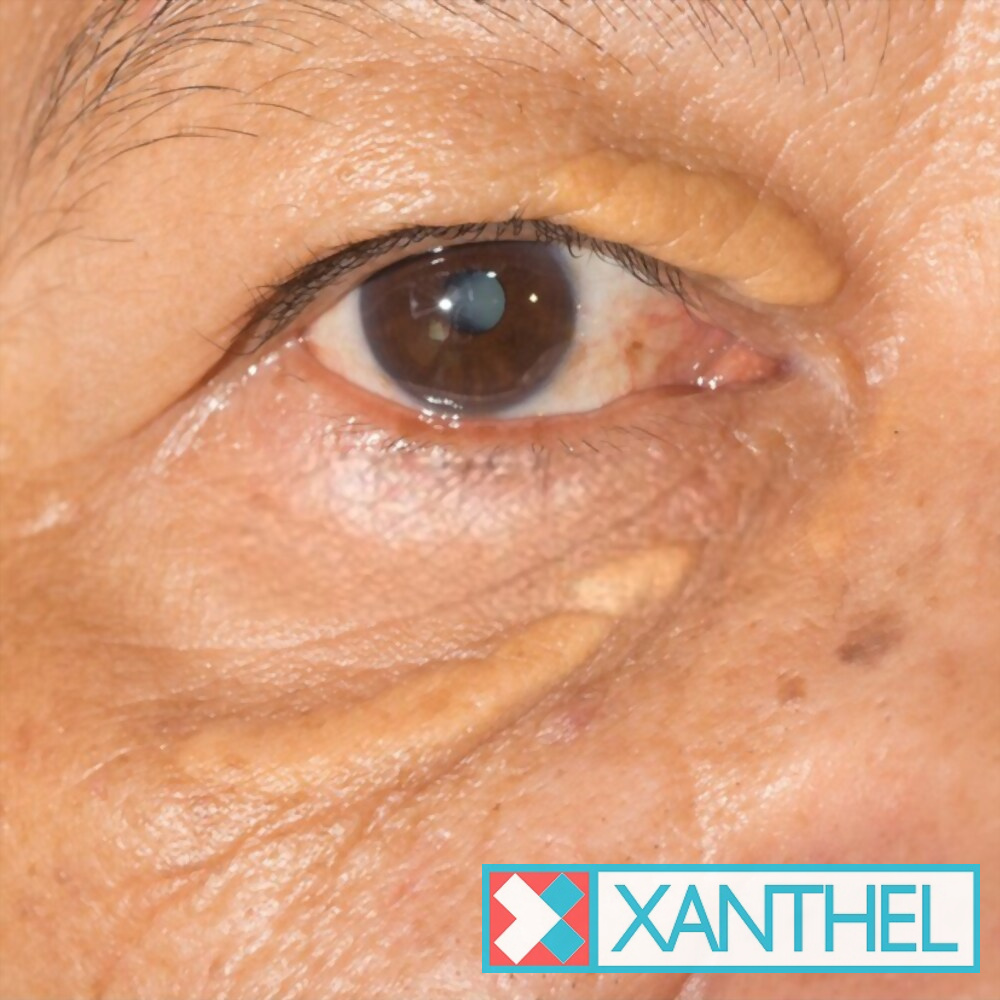
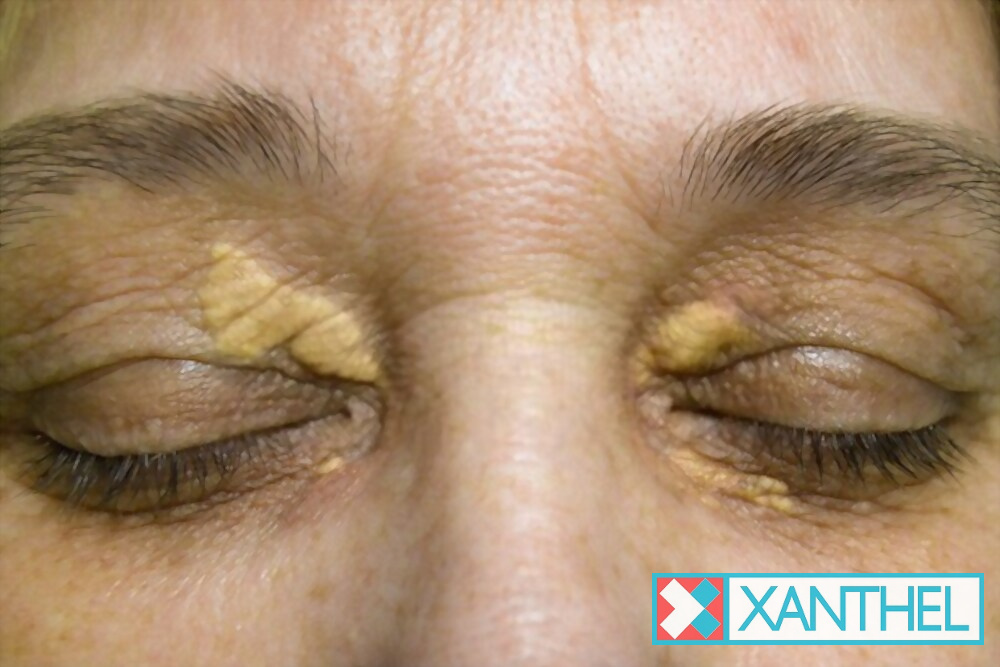
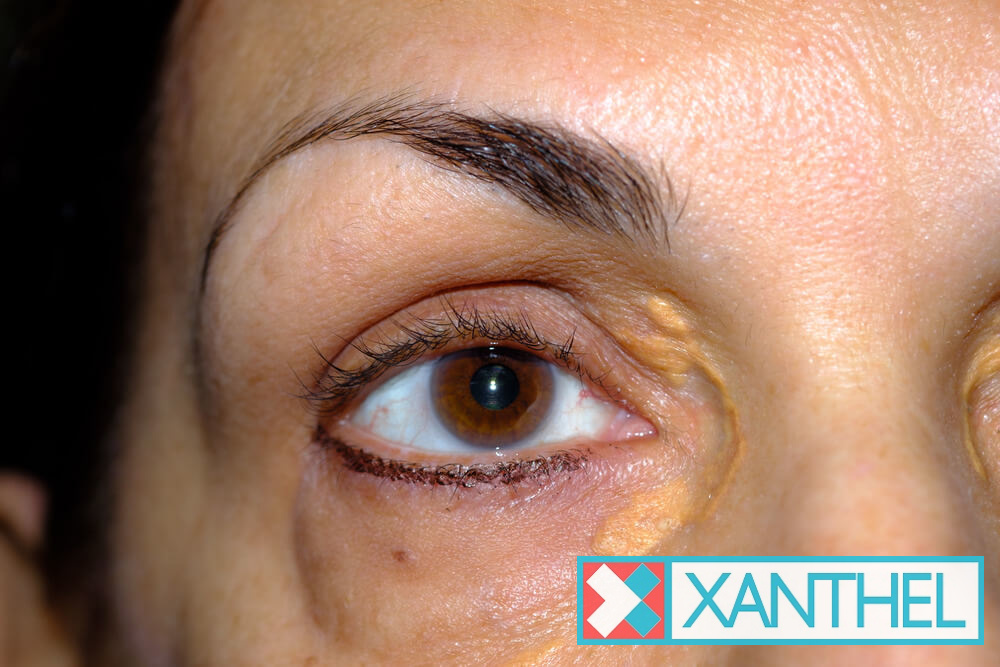
Liquid nitrogen is extremely cold, around minus 196°C. In a clinic, a doctor sprays or dabs it onto the patch for a few seconds, freezing and destroying the fat-filled cells. The skin then blisters, crusts and heals over. It’s often called cryotherapy, and our xanthelasma cryotherapy guide covers whether it works. This page walks you through what to expect, step by step, from booking to the day your skin has healed.

Before Your Appointment
Most clinics start with a consultation. The doctor checks that your patches are xanthelasma, looks at their size and depth, and explains the risks for your skin type. This is the time to ask questions: how many eyelid patches they’ve treated, whether you’ll need more than one session, what the total cost will be, and what happens if the skin heals lighter.
If you have darker skin, ask about a small test area first, as freezing is more likely to leave pale marks. On the day, come without eye make-up, bring sunglasses for the trip home, and consider asking someone to drive you, because your eye may swell enough to blur your view for a while.

What to expect after cryotherapy
- During treatmentA sharp cold sting as the patch is frozen and turns white for a few seconds.
- Day 1–2Redness and swelling. Around the eyes this can be enough to partly close the lid.
- Day 2–7A blister may form, then dry into a crust. Don’t pick it.
- Week 1–3The crust falls away, leaving pink, new skin that settles over time.
- Following monthsLighter or darker marks can appear. Some people need a repeat session.
- Long termKeep an eye out for new patches, and keep your cholesterol in check.
Always follow the aftercare advice from the clinic that treats you.
On The Day: What Happens In The Room
You’ll usually lie back with your eye closed. The doctor places a protective shield or uses a cone so the cold only touches the patch, then applies the liquid nitrogen for a few seconds at a time. The skin turns white as it freezes, then thaws back to pink. Some clinics freeze each patch twice. Many don’t use numbing for such a short treatment, so expect a sharp, cold sting. The whole thing is often over in minutes, and you can go home straight away.

Liquid Nitrogen Side Effects On The Eyelid
The eyelid’s thin, loose skin reacts strongly to cold, so some side effects are expected. Swelling and blistering are normal for the first few days, and the area can weep before it crusts. Keep it clean, use only the ointment your clinic gives you, and sleep with your head a little raised to help the swelling settle.
Other effects are less common but worth knowing. Freezing can leave skin paler than before, and this is more likely, and more noticeable, on darker skin. Scarring is possible, especially if a patch is frozen deeply or several times. Contact your clinic if the area becomes very red, hot or painful, or if your vision is affected.

Choosing A Clinic
Freezing so close to the eye needs an experienced hand. Choose a dermatologist or doctor who treats eyelids often, ask to see before and after photos of their own work, and make sure follow-up visits are included in the price you’re quoted. UK clinics often charge from a few hundred pounds, so compare two or three. A good clinic will tell you honestly if another method would suit your patches better.

Will You Need More Than One Session?
Small, flat patches sometimes clear in one session. Thicker ones often need two or three, spaced a few weeks apart, and patches can return after any method. Our xanthelasma removal and xanthelasma treatment guides compare freezing with every other option. Keeping your cholesterol healthy afterwards gives you the best chance of staying clear.

Rather Skip The Clinic?
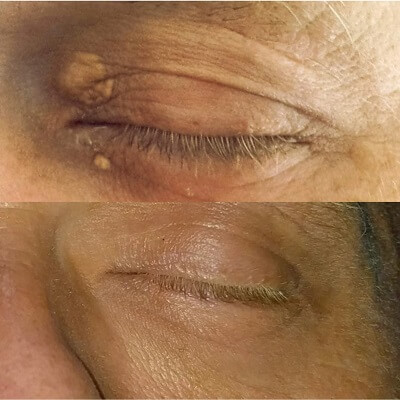
If swelling, blisters and repeat visits don’t appeal, Xanthel® xanthelasma removal cream is a cosmetic gel designed to improve the look of xanthelasma at home, usually in one application, and made to order for your skin type and tone. There’s no swelling to plan around and no time off. See real before and after photos. Results vary.
Liquid Nitrogen For Xanthelasma: Questions People Ask
Does Liquid Nitrogen On The Eyelid Hurt?
It stings sharply for a few seconds and feels sore and hot for a few hours. Most people manage with ordinary painkillers.
How Long Does Swelling Last After Cryotherapy?
Usually one to three days. It can be dramatic around the eye, so plan a few quiet days if you can.
Can I Wear Make-Up After Liquid Nitrogen Treatment?
Not on the treated area until it has fully healed, usually one to two weeks. Make-up on raw skin can cause infection.
Will The Skin Go Back To Its Normal Colour?
Often, but not always. Paler skin is the most common lasting change, especially on darker skin tones.
Is There A Way To Avoid The Clinic?
Yes. Xanthel® is a cosmetic gel for eyelid patches that you use at home. Never try freezing sprays or wart kits near your eyes.
Xanthelasma Cream: No Freezing, No Blisters
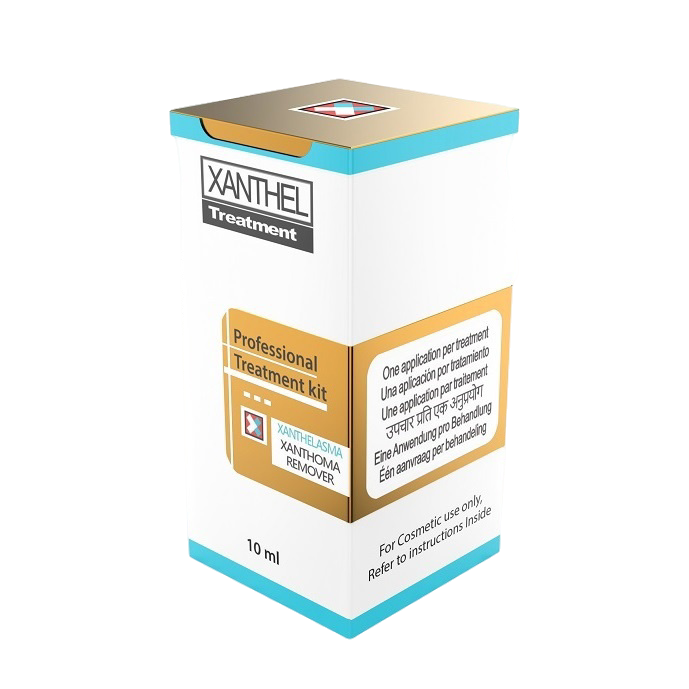
Thinking twice about liquid nitrogen for xanthelasma? Xanthel® xanthelasma removal cream is a cosmetic gel designed to improve the look of xanthelasma from the comfort of home, so you can skip the swelling and get on with your week. Results vary from person to person.
Blended For Your Skin
Every kit is formulated to order for your skin type and tone, as a cream or gel to suit your patches.
Usually Just Once
A couple of minutes at home, no needles, no clinic chair and free tracked delivery.