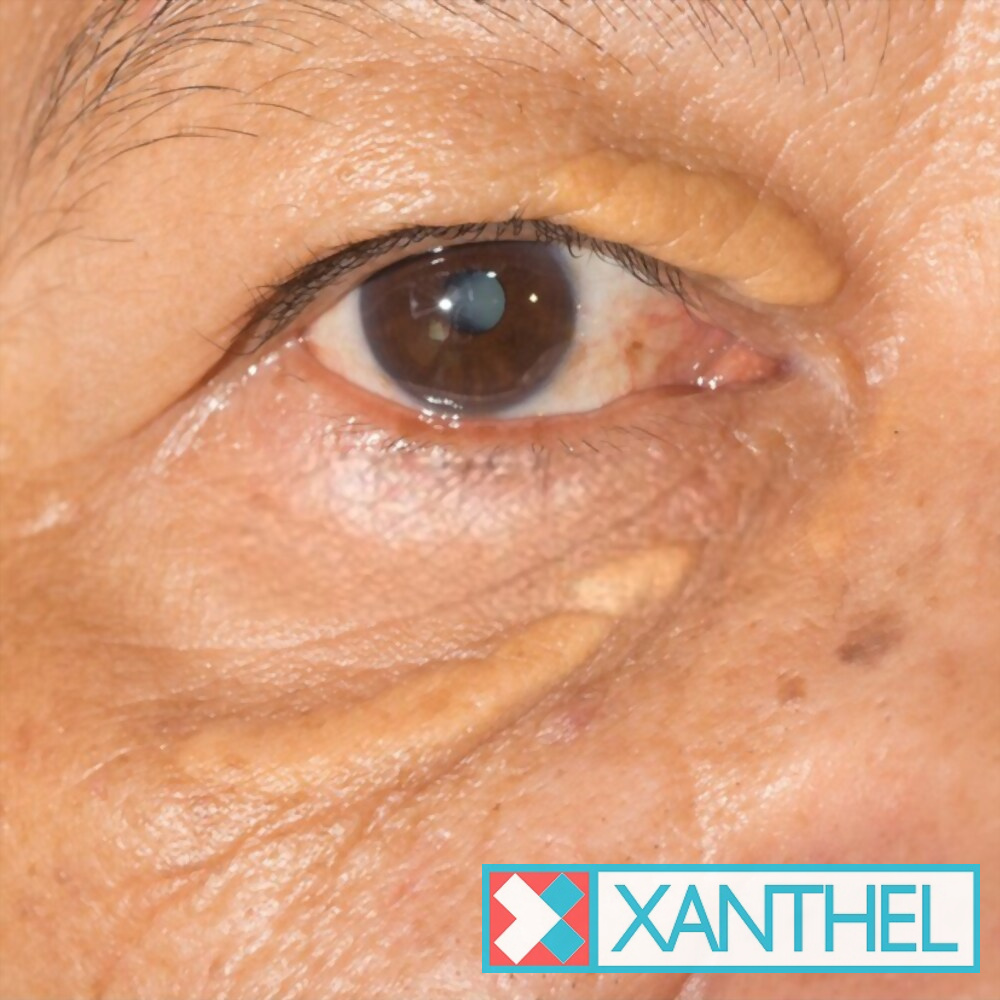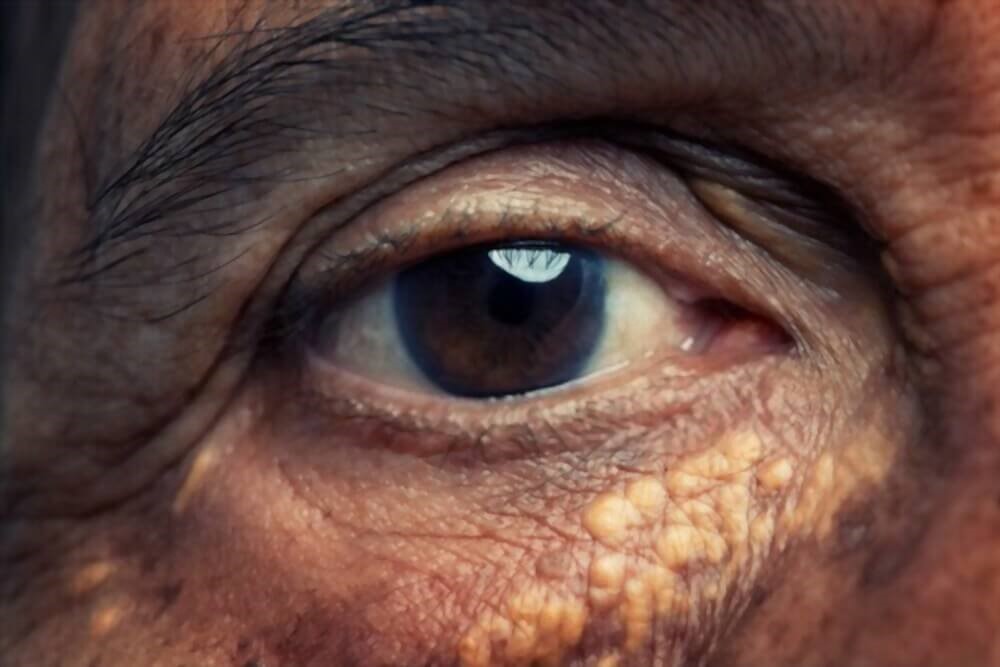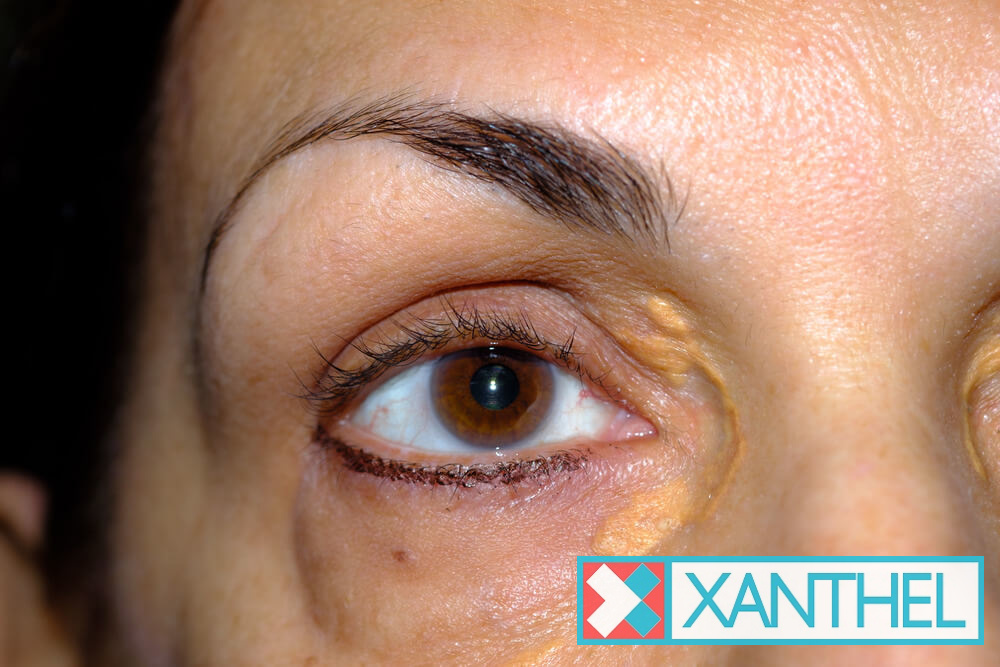
Xanthelasma Diet: What To Eat For Healthy Cholesterol
Key Takeaways
A xanthelasma diet is simply a heart-healthy, cholesterol-friendly way of eating. It can help keep your cholesterol in check and may make new patches less likely, but diet alone rarely removes xanthelasma that’s already there.
- Eating less saturated fat is one of the biggest changes you can make.
- Soluble fibre from oats, barley, beans and lentils helps lower LDL cholesterol.
- Swap butter and lard for olive or rapeseed oil, and snack on unsalted nuts.
- Diet works best alongside regular activity, not smoking and sensible drinking.
- If diet isn’t enough, your doctor may suggest a cholesterol-lowering medicine.
- For patches you already have, see our xanthelasma removal cream or compare removal options.
Can A Xanthelasma Diet Get Rid Of Xanthelasma?
It’s the first thing many people try, and it’s a great instinct. Xanthelasma is often linked to raised cholesterol, so changing what you eat feels like the natural place to start. A good xanthelasma diet can lower your LDL (“bad”) cholesterol, look after your heart, and may make new patches less likely to form.
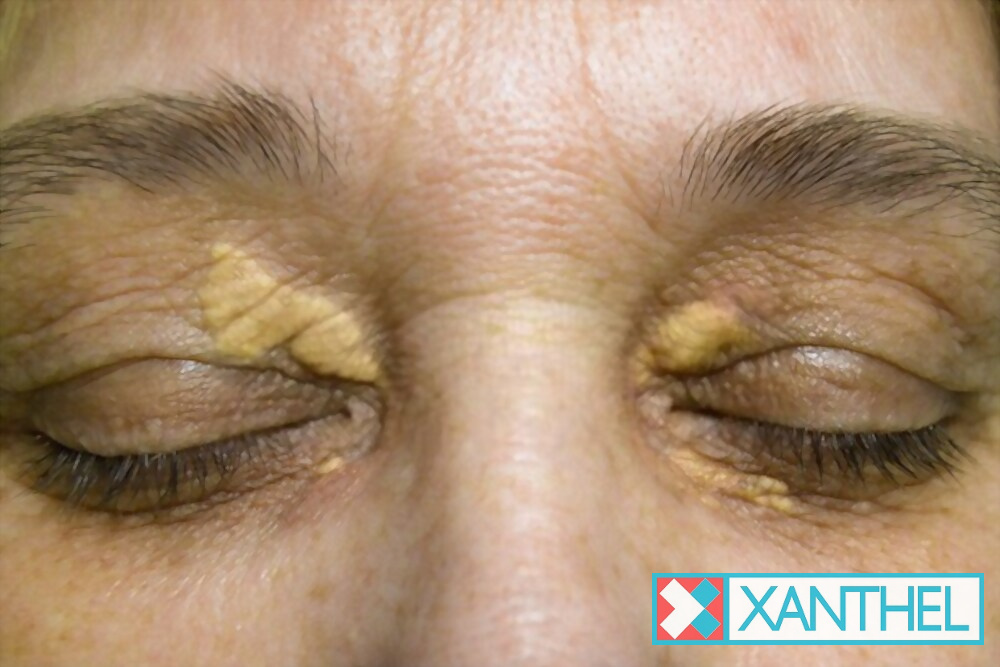
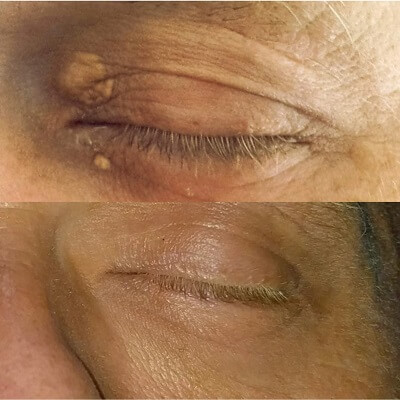
What it rarely does is shrink the patches you already have. Once those cholesterol-filled cells have settled in the eyelid skin, they tend to stay, even when your blood cholesterol comes down. So think of diet as protecting your health and your eyelids for the future, and treat existing patches separately.
If you haven’t had your cholesterol checked yet, ask your doctor for a simple blood test. Our guide to xanthelasma causes explains why it matters, even if you feel perfectly well.

What Raises Your Cholesterol?
Saturated fat is the main dietary culprit. It’s found in fatty meat, butter, cream, hard cheese, cakes and biscuits, and it nudges your liver to make more LDL cholesterol. Trans fats, found in some fried and processed foods, are even worse because they also lower your HDL (“good”) cholesterol.
It isn’t only food. Smoking lowers HDL and damages blood vessels, heavy drinking raises triglycerides, and carrying extra weight around the middle pushes LDL up. Some people also inherit a tendency to high cholesterol, called familial hypercholesterolaemia, which no amount of careful eating fully fixes. The good news is that most of the other causes can be changed, and small changes add up over time.

Do You Need Medicine As Well As Diet?
Sometimes. If your cholesterol is very high, runs in your family, or you have other risks such as diabetes, your doctor may suggest a statin or another medicine alongside diet. These work well, and taking one doesn’t mean you can stop eating well. The two work best together. If you’re prescribed a statin, mention any side effects to your doctor rather than stopping it yourself. Your doctor will usually recheck your levels after a few months to see how diet and any medicine are working.

Xanthelasma Diet: What To Eat More And Less Of
| Food group | Eat more of | Eat less of |
|---|---|---|
| Grains | Oats, barley and wholegrain bread | Cakes, biscuits and pastries |
| Protein | Beans, lentils, chickpeas and oily fish | Sausages, bacon and fatty or processed meat |
| Fats | Olive, rapeseed or sunflower oil | Butter, lard, ghee, coconut and palm oil |
| Dairy | Lower-fat milk and yoghurt | Cream and hard cheese |
| Snacks | Unsalted nuts, seeds and fruit | Crisps, fried and takeaway food |
| Plants | Plenty of vegetables and fruit | Sugary drinks and sweets |
Already have patches? See every xanthelasma removal option
A healthy diet supports your cholesterol, but it rarely removes patches that are already there. If yours bother you, our xanthelasma treatment guide compares every option, from creams to clinic procedures, so you can see what suits you, your budget and your skin.
Why Does Diet Matter For Xanthelasma?
Xanthelasma forms when cholesterol carried in your blood collects in cells just under the eyelid skin. The more LDL cholesterol there is in your blood, the more likely that is to happen. Bringing it down with a better diet reduces the supply, which is why doctors usually recommend diet changes as a first step.
There’s also a bigger reason. Xanthelasma has been linked to a higher risk of heart disease in some people, so the patches can be a useful nudge to look after your heart. Eating well, moving more and not smoking all help, and they help whether or not your cholesterol turns out to be high. About half of people with xanthelasma have normal cholesterol, and a healthy diet is still good for them too.

What Else Helps Besides Diet?
Diet is only part of the picture. These everyday changes all help your cholesterol too:
Sleep and stress. Poor sleep and long-term stress make it harder to stick to healthy habits, so they’re worth looking after too.
Move more. Aim for about 150 minutes of moderate activity a week, such as brisk walking or cycling. It raises HDL and helps with weight. It doesn’t need to be strenuous.
Stop smoking. It’s one of the best things you can do for your blood vessels and your HDL.
Drink less alcohol. Heavy drinking raises triglycerides.
Keep to a healthy weight, especially around the middle. Losing even a small amount can improve your cholesterol numbers.
Get your levels checked. A simple blood test from your doctor shows your LDL, HDL and triglycerides, so you know where you stand and can see your progress.
Manage other conditions such as diabetes or an underactive thyroid, which can both raise cholesterol.

A Simple Xanthelasma Diet Plan For A Day
You don’t need a special diet or expensive supplements. Here’s what a cholesterol-friendly day might look like:
- Breakfast: porridge made with oats and semi-skimmed or plant milk, topped with berries and a few chopped nuts.
- Lunch: a wholegrain wrap or bowl with beans or chickpeas, salad and a drizzle of olive oil, plus a piece of fruit.
- Snack: a small handful of unsalted almonds or walnuts, or an apple.
- Dinner: grilled salmon or mackerel (or lentil curry), with plenty of vegetables and brown rice or new potatoes.
- Drinks: water, tea or coffee, and alcohol only in moderation.
Small, steady swaps matter more than a perfect week. Try changing one meal at a time: oats instead of sugary cereal, olive oil instead of butter, beans instead of processed meat. Foods with added plant sterols or stanols, such as some spreads and yoghurt drinks, can lower cholesterol a little more if your doctor thinks they’d help.
Fad diets are best avoided. Some very high-fat plans can actually raise LDL cholesterol in some people, which is the opposite of what you want with xanthelasma. The same goes for cutting out whole food groups without advice. A balanced, mostly plant-based way of eating, like a Mediterranean-style diet, has the strongest evidence behind it and is easy to keep up for the long term.
Reading food labels helps too. Look at the saturated fat figure per 100g: 1.5g or less is low, and more than 5g is high. Choosing the lower option most of the time makes a real difference over a few months.

Diet And Xanthelasma Home Removal
Eating well looks after your cholesterol and your heart. To improve the look of patches you already have, see our guide to xanthelasma home removal, which explains what’s safe to use around the eyes and which home remedies to avoid.
Xanthelasma Diet: Questions People Ask
What Foods Cause Xanthelasma?
No single food causes it. A diet high in saturated fat can raise your LDL cholesterol, and raised cholesterol is one of the main causes of xanthelasma.
Can Eating Eggs Cause Xanthelasma?
For most people, eggs in moderation are fine. Saturated fat affects blood cholesterol far more than the cholesterol in eggs does. If your cholesterol is high, ask your doctor what’s right for you.
How Long Does A Xanthelasma Diet Take To Work?
Cholesterol levels can start to fall within a few weeks to a few months. Existing patches usually stay, though, so most people treat them separately.
Is A Plant-Based Or Keto Diet Better?
Diets rich in plants, fibre and healthy oils tend to lower LDL cholesterol. Very high-fat diets such as keto can raise it in some people, so they’re not ideal if you have xanthelasma.
Can Xanthelasma Come Back If I Eat Badly?
New patches can appear over time, especially if cholesterol stays high. A healthy diet gives you the best chance of keeping your eyelids clear.
Xanthelasma Cream: For The Patches Diet Can’t Shift
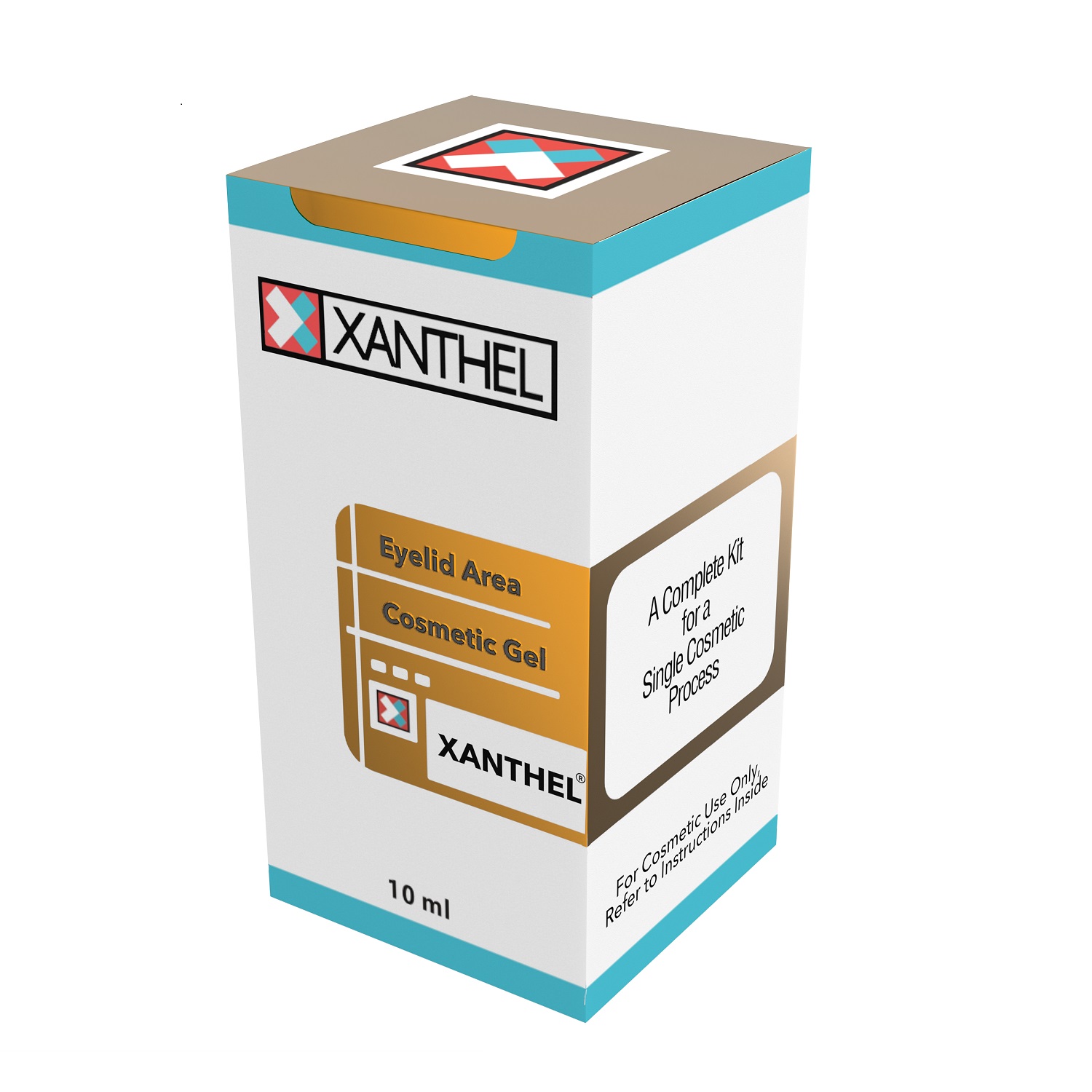
Eating well, but still bothered by the patches? Xanthel® xanthelasma removal cream is a cosmetic gel designed to improve the look of xanthelasma alongside a healthy diet, so you can stop thinking about those patches every time you look in the mirror. Results vary from person to person.
Made For Your Skin
Every kit is formulated to order for your skin type and tone, from very fair to very dark, and supplied as a cream or gel to suit where your patches are.
Simple, Private And Quick
You apply it yourself at home in a couple of minutes, usually just once, following the step-by-step guide in your kit. No clinic, no appointments, no needles and no waiting lists.