Xanthelasma Removal At Home: Safe Steps And Covering Tips
Key Takeaways
Xanthelasma removal at home is safest with a cosmetic product made for the eyelids, used exactly as directed. Never use plasma pens, acids, garlic or anything that burns, cuts or scrapes, and use make-up to cover the spots while you decide.
- Garlic, castor oil and homeopathy won’t remove patches that are already there.
- Home plasma pens and TCA kits can burn eyelid skin and leave lasting scars.
- Picking or scraping cholesterol deposits on the eyelids causes scarring, not removal.
- A lilac colour corrector under a matte concealer helps cover xanthelasma spots.
- Xanthel® is made up for your skin type and designed for home use. Results vary.
- See real customer photos on our before and after page.
- Patches can come back, so a cholesterol check with your doctor is worth doing.
Is Xanthelasma Removal At Home Safe?
It can be, if you choose the right method and treat your eyelids gently. Xanthelasma are soft, yellowish patches of cholesterol that build up in the skin of the eyelids, often near the inner corners. Plenty of people search for these cholesterol deposits on the eyelids without knowing the name, and many would rather sort them out privately than sit in a clinic waiting room.
The patches aren’t harmful in themselves, but they rarely fade on their own. About half of people with xanthelasma have normal cholesterol, according to StatPearls, yet a blood test with your doctor is still worth having, because the patches can be a sign that yours is raised.
This guide covers how to remove xanthelasma at home safely, which popular methods to avoid, and how to cover the spots in the meantime. If you’d rather compare clinic options too, see xanthelasma removal.
Using an at-home product safely around the eyes
- Read the instructions firstEvery product is different. Follow the directions that come with it exactly.
- Take a “before” photoUse good, even light so you can compare results fairly.
- Start with clean, dry skinRemove make-up and creams from the area before applying.
- Protect the eyeApply only to the patch, away from the lash line, and never in the eye.
- Don’t pick or scrubLet the skin settle naturally, and avoid rubbing the area.
- Know when to stopStop and seek advice if you get severe pain, swelling or any change in your vision.
If anything gets into your eye, rinse it straight away with plenty of clean water.
How To Cover Xanthelasma Spots With Make-Up
If you’re not ready to treat your patches yet, make-up can take the edge off while you decide. It won’t flatten a raised patch, but it can tone down the yellow so it’s far less noticeable across a room.
Cancel The Yellow First
Colours opposite each other on the colour wheel cancel each other out, and yellow’s opposite is purple. Dab a little lilac or lavender colour corrector onto the patch only, then press a thin layer of concealer that matches your skin over the top.
Keep It Matte And Light
Shimmer and heavy layers catch the light and show up raised texture. A matte, long-wear concealer set with a light dusting of powder sits better on eyelid skin and creases less.
Be Gentle With Your Eyelids
Pat with a clean fingertip or brush rather than rubbing, and take it off with a mild remover every night. Skip make-up on any patch that’s sore, broken or healing.
Covering cholesterol spots on the eyes is only a short-term fix, though. If you’d like them gone, here’s an honest look at what people try at home, starting with natural remedies.
Can Natural Remedies Remove Xanthelasma At Home?
It’s a fair question, and the honest answer is no. Natural remedies are cheap, easy to find and feel gentle, which is exactly why so many people try them first. They also feel like something you can do quietly at home, without a doctor’s appointment. But nothing natural has been shown to remove xanthelasma once it has formed. The two you’ll see suggested most often are garlic and castor oil.
Garlic: Better Eaten Than Applied
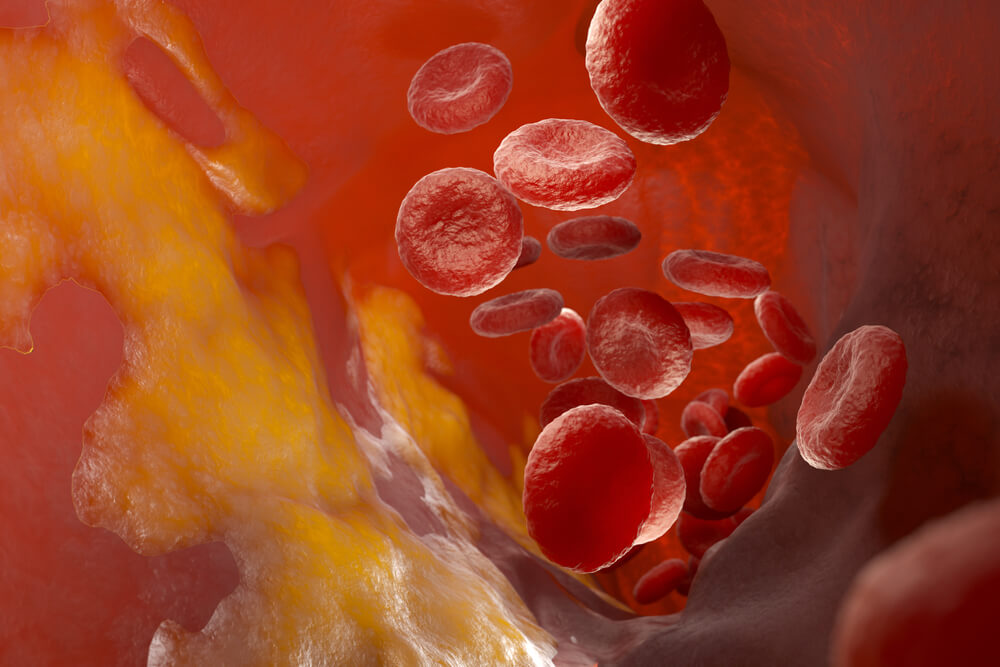
Garlic may help lower cholesterol a little when it’s part of your diet or taken as a supplement, and that’s good news for your heart. What it won’t do is shrink patches that are already there, because the cholesterol is held in cells deep in the skin rather than floating in your blood.
The bigger worry is putting raw garlic on the eyelid. Some people tape a slice over the patch, hoping it will burn it away. Raw garlic really can cause chemical burns and blistering, and on eyelid skin those burns can leave marks that last far longer than the xanthelasma would have. If you want garlic’s benefits, add it to your cooking rather than your eyelids. Read about garlic treatment for xanthelasma before you try it.
Castor Oil: Gentle, But It Can’t Reach The Patch
Castor oil is usually suggested as an overnight compress: a cotton pad soaked in oil and left on the eyelid. It’s a decent moisturiser, but there’s no evidence it can get through the skin to the cholesterol underneath. It can also irritate sensitive eyelids, and blur your vision if it creeps into your eye while you sleep. If you still want to try it, keep it well away from the lash line and stop if your eyes sting or water. Our page on castor oil and xanthelasma goes into the details.
Where Natural Changes Do Help
Natural changes are still worth making, for a different reason: your cholesterol. Eating more oats, beans, nuts and oily fish, cutting back on saturated fat, staying active and not smoking all support healthier levels, which may make new patches less likely. Our xanthelasma diet guide has simple food swaps, and getting rid of xanthelasma naturally looks at the other remedies you’ll find online.
Just don’t wait months for a remedy to clear patches it can’t reach. Xanthelasma usually grows slowly, and smaller patches are easier to deal with.

Will Homeopathy Help With Xanthelasma At Home?
We’d rather be straight with you than offer false hope: there’s no good evidence that any homeopathic remedy removes or shrinks xanthelasma. Homeopathic remedies are diluted so heavily that little or none of the starting substance is left, so it’s hard to see how they could break down cholesterol held in the skin.
We understand the appeal. Homeopathy feels gentle and natural, and many people are wary of clinics and strong treatments. But feeling gentle and changing what’s in the skin aren’t the same thing.
The names that come up most often are:
- Baryta muriatica, made from barium chloride and often suggested for fatty deposits.
- Allium sativum, a homeopathic form of garlic.
- Cholesterinum, prepared from cholesterol itself.
None of these is a substitute for cholesterol-lowering medicine if your doctor says you need it. Statins and similar medicines are tested and do lower blood cholesterol, although even they don’t usually make existing patches disappear.
Homeopathy is unlikely to harm you, but check with a pharmacist if you take prescribed medicines. The real cost is time. If you’d like to try it, give yourself a set period and take a photo each month, so you can see honestly whether anything has changed. There’s more on our homeopathic medicine for xanthelasma page.
Can You Use A Plasma Pen For Xanthelasma Removal At Home?
We’d strongly advise against it. Plasma pens are sold cheaply online as an easy way to remove skin tags, moles and marks at home. They create a tiny electrical arc that burns pinpoints into the surface of the skin, which then scab over and heal. Many are sold with striking before and after photos and very little safety advice.
The trouble starts with where xanthelasma sits. These pens work on the very top layer of skin, while the cholesterol is held deeper down. To reach it, you’d have to burn through the skin above, and eyelid skin is the thinnest on your body. Reported problems include blistering, weeping scabs, infection and, in some cases, scars or pale and dark patches that were more noticeable than the yellow ever was.
Then there’s your eye. You’d be holding a hot electrical tip millimetres from your eyeball, usually while looking in a mirror, where every movement is reversed. One flinch is all it takes.
Even when it seems to go well, the patch is often still there once the scabs fall off, because the burn didn’t go deep enough. Going back over the same spot only adds more damage, and each round makes scarring more likely.
If you’ve already used a plasma pen and the area is sore, red or weeping, keep it clean, let it heal and speak to a pharmacist or doctor. And if you want a device-based treatment done properly, laser xanthelasma removal in a clinic is a far safer choice than a pen at home.

Is TCA Acid Safe For Removing Xanthelasma At Home?
No. TCA, short for trichloroacetic acid, is a strong chemical peel. Some dermatologists do use it on xanthelasma, but in a clinic, at carefully chosen strengths, applied a dot at a time with a fine applicator while the eye is protected. Even then it often takes several sessions, and it can leave lighter or darker skin, particularly on deeper skin tones.
Home kits are another story. The strength on the bottle isn’t always what’s inside, nobody is checking how much goes on, and a drop of acid can run into your eye in a second. There’s also no one on hand to neutralise it quickly if it starts to burn. Some sellers describe it as a simple home peel, which makes it sound far milder than it is. Because xanthelasma sits deep in the skin, an acid strong enough to reach it is strong enough to destroy the eyelid skin above it.
Problems reported after home use include chemical burns, open wounds that took weeks to heal, white or brown patches, and scarring that tightened or pulled the eyelid out of shape. Scarred skin is also harder to treat later, so a failed attempt can narrow your options.
Patches can also come back after any method that removes them, in a clinic or at home, so taking all that risk doesn’t buy you a guarantee. That’s why we’d never suggest putting an acid near your eyes yourself.
If TCA appeals to you, see a doctor who offers it, and read our page on trichloroacetic acid for xanthelasma so you know what to ask.

Can You Scrape Or Pick Xanthelasma Off At Home?
No, and it’s worth saying because it’s tempting when a patch feels soft. Xanthelasma isn’t a spot with something inside that can be squeezed out, or a crust sitting on top of the skin. It’s a cluster of cholesterol-filled cells woven into the deeper layer of the skin itself.
Picking, scratching or scraping won’t get it out. What it will do is break the thin skin of the eyelid, which can let in infection and leave scars or darker marks that outlast the patch. Scarred skin is harder to treat later too, whatever method you choose.
If you’ve already picked at a patch, keep it clean, don’t cover it with make-up, and let it heal fully before trying anything else. See a doctor if it turns hot, swollen or weepy.
And if you’re not sure what you have is xanthelasma at all, compare it with our xanthelasma pictures or ask your doctor.

What’s The Safest Way To Remove Xanthelasma At Home?
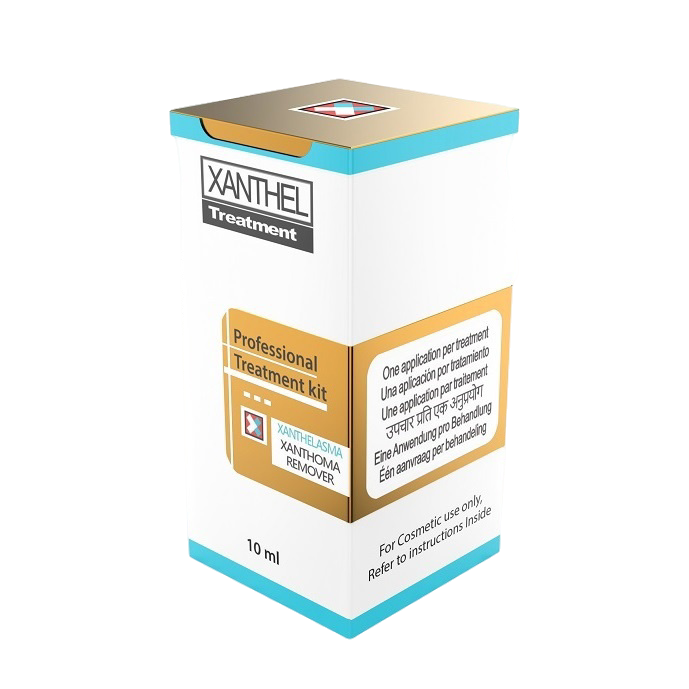
Put all of that together and the safest route is a product made specifically for xanthelasma and the delicate skin around the eyes, used exactly as directed. Our founder, P. Cutler, created Xanthel® after living with xanthelasma himself, working with consultant dermatologists along the way. Each kit is made up for your skin type and comes with clear step-by-step instructions. It’s designed to improve the look of xanthelasma, usually with one application, and results vary. You can see real customer photos on our before and after page.
Xanthelasma Removal At Home: Your Questions
Can You Remove Xanthelasma At Home Yourself?
Yes, with a cosmetic product made for the eyelids and used as directed. Home remedies, plasma pens and acids aren’t safe or reliable ways to do it.
How Do You Cover Cholesterol Spots On Your Eyes?
Dab a lilac colour corrector on the patch, press a thin matte concealer over it, and set it with a light dusting of powder.
Is It Safe To Wear Make-Up Over Xanthelasma?
Yes, on unbroken skin. Take it off gently every night, and skip it on any patch that’s sore or healing.
Will Xanthelasma Come Back After Removal?
It can, whichever method you use. Keeping your cholesterol healthy, and checking it with your doctor, may help keep new patches away.
Should I See A Doctor Before Removing Xanthelasma At Home?
It’s sensible. A simple blood test checks your cholesterol, and a doctor can confirm the patches are xanthelasma before you treat them.
Is Xanthel® Made For Patches Under The Eyes Too?
Yes. Each Xanthel® kit is made up as a cream or gel to suit where your patches are and your skin type. Results vary.