Xanthelasma Cryotherapy: Does Freezing Work?
Key Takeaways
Xanthelasma cryotherapy freezes the yellow patches on your eyelids so the skin peels away as it heals. It can work on small, flat patches, but it often needs more than one session and can leave lighter patches of skin, especially on darker skin tones.
- A doctor freezes the patch, usually with liquid nitrogen, in a short clinic appointment.
- Expect redness, swelling and sometimes blistering for a few days, then crusting as it heals.
- Lighter or darker skin, scarring and patches coming back are the main risks.
- It’s less suited to thick or raised patches, and to darker skin.
- Freezing is hard to control on thin eyelid skin, so experience matters.
- Prefer to avoid a clinic? See our xanthelasma removal cream, used at home, usually just once.
- Compare every removal option before you decide.
Does Cryotherapy Work For Xanthelasma?
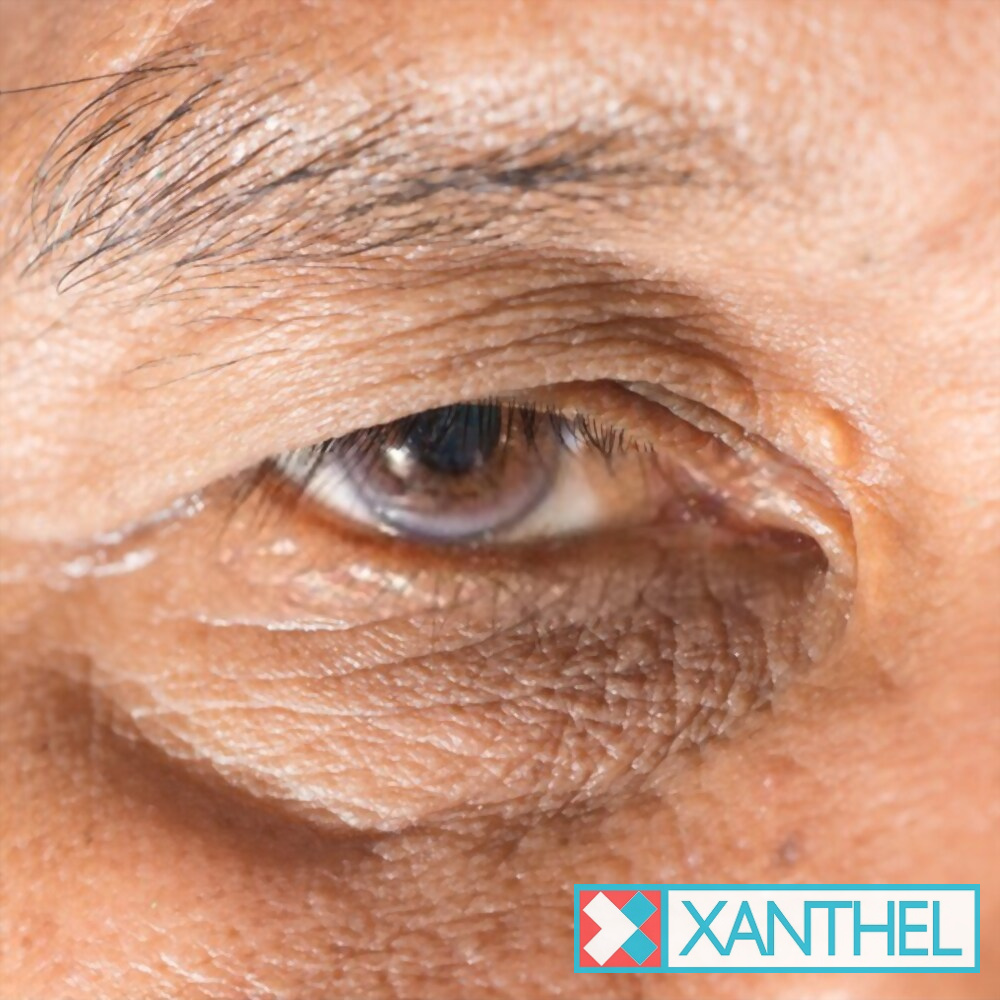
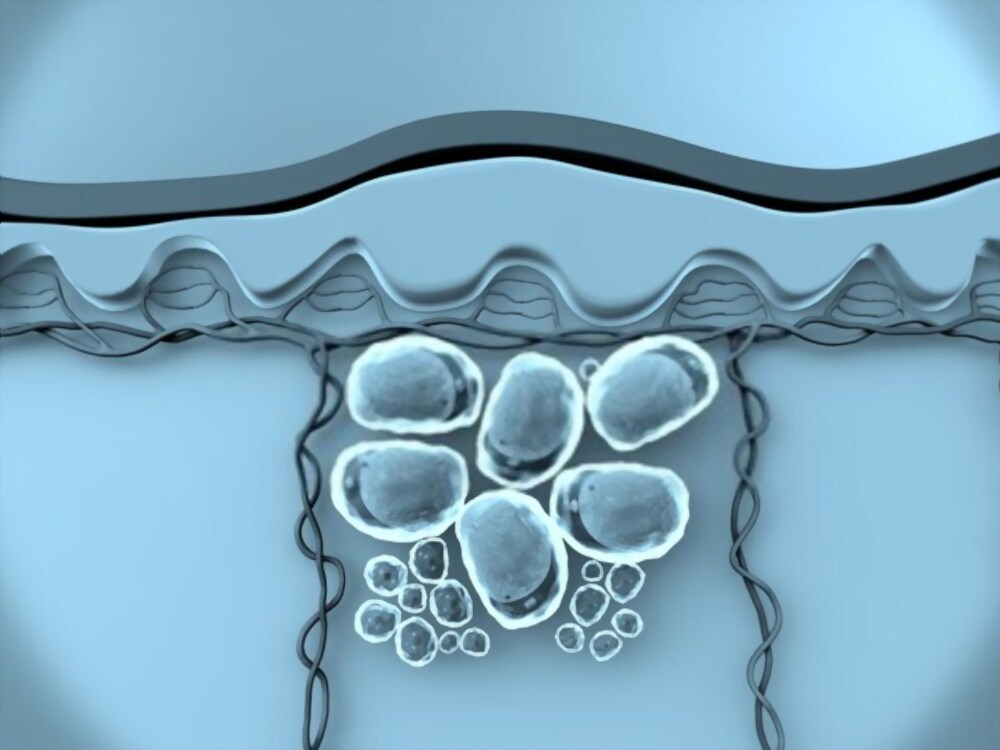
It can, for the right patches. Cryotherapy, sometimes called cryosurgery, uses extreme cold to destroy the fat-filled cells that make up xanthelasma. As the frozen skin heals over the next couple of weeks, the patch peels away and new skin forms underneath. Doctors use the same method every day on warts and sun spots, and it has real advantages: it’s quick, there’s no cutting or stitching, and there’s no wound to close.
It tends to work best on small, flat patches. Thicker, raised or long-standing patches often need several sessions, and some don’t clear fully. Because the eyelid skin is so thin, the freezing has to be done carefully, and results depend a lot on who’s doing it.
The bigger question for most people is what the skin looks like afterwards. Freezing affects the cells that give skin its colour, so it can leave a lighter patch where the xanthelasma was. That’s why many people weigh it up against other removal options before booking.

Xanthelasma Cryotherapy At A Glance
| Question | Answer |
|---|---|
| How it works | Freezes the patch, usually with liquid nitrogen |
| Where | In a clinic, by a doctor or trained clinician |
| Sessions | Often more than one |
| Recovery | Redness and swelling for a few days, then crusting for one to two weeks |
| Main risks | Lighter or darker skin, blistering, scarring, patches returning |
| At-home alternative | Xanthel®, a cosmetic gel made up for your skin type |
What Happens During Xanthelasma Cryotherapy?
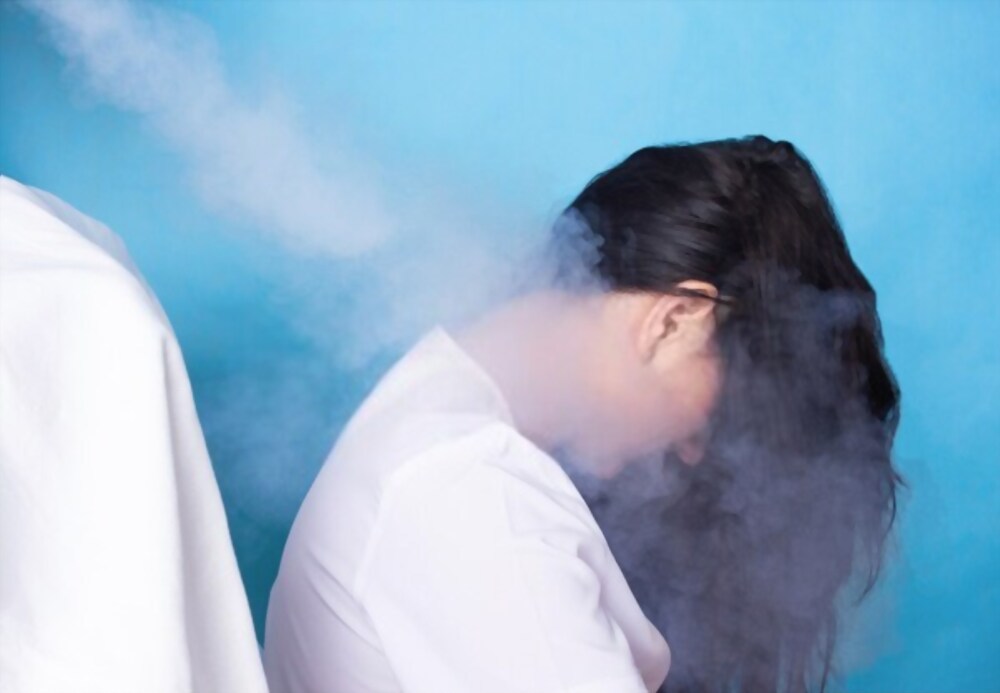
The appointment is usually quick. Your eye is protected, then the doctor applies liquid nitrogen to the patch with a fine spray or a cotton-tipped probe, often in two short freeze–thaw cycles. It stings and can ache for a few minutes afterwards.
Over the next day or two the eyelid swells and turns red, and a blister may form. This is normal, but the swelling can be dramatic, so most people plan a few days at home. Keep the area clean and dry, skip eye make-up until it has healed, and don’t pick at the crust, as that raises the risk of marks. A crust then forms and falls away within one to two weeks, leaving pink new skin that settles over the following weeks.
If the patch hasn’t cleared, a further session is usually booked a few weeks later. If you’d rather avoid the downtime altogether, an at-home option like Xanthel® might suit you better.
What Are The Risks Of Cryotherapy For Xanthelasma?
The cells that give skin its colour are especially sensitive to cold. That means the most common lasting effect is a lighter patch of skin, called hypopigmentation, which can be very noticeable on darker skin tones and may not fade. Some people get darker patches instead. Colour changes can take months to settle, and sometimes the new skin never quite matches the skin around it. If you have darker skin, ask the clinic directly how often they see lasting colour changes, and whether another method might suit you better.
Other risks include blistering, infection, scarring, and, rarely, the eyelid being pulled slightly out of shape as it heals. And as with every removal method, including surgery and laser, the patches can come back, because freezing doesn’t change why they formed.

Is Cryotherapy Right For You?
Cryotherapy may be worth considering if you have one or two small, flat patches, fair skin, and you’re happy to take a few days off while your eyelid heals. It’s usually less suitable for thick or raised patches, patches very close to the lash line, or darker skin.
Before any treatment, it’s sensible to see your doctor. Xanthelasma can be linked to raised cholesterol, although around half of people who have it have normal levels (NIH StatPearls). A quick blood test is worth having either way.
If you do go ahead, ask the clinic how many eyelid patches they’ve treated, how many sessions they expect you’ll need, and what they’d do if your skin colour changes. A good clinic will be honest about the limits.
Not every clinic offers cryotherapy for the eyelids, and costs vary, especially if you need more than one session. Our xanthelasma treatment guide compares freezing with TCA peels, laser, surgery and at-home options side by side.
Is There An At-Home Alternative To Cryotherapy?
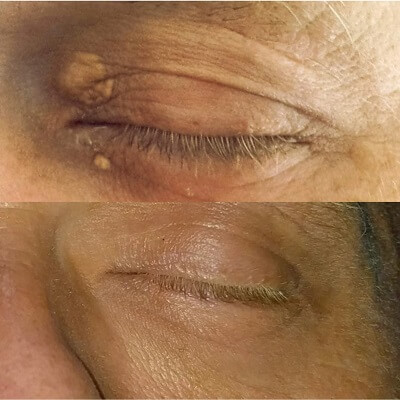
Yes. Xanthel® is a cosmetic gel designed to improve the look of xanthelasma, without freezing, appointments or time off. We make up every kit for your skin type, from very fair to very dark, and you apply it yourself, usually just once. Our founder, P. Cutler, developed it after living with xanthelasma himself. There’s no freezing, no blistering to hide and no clinic waiting list. Results vary, and you can see real customer photos on our before and after page.
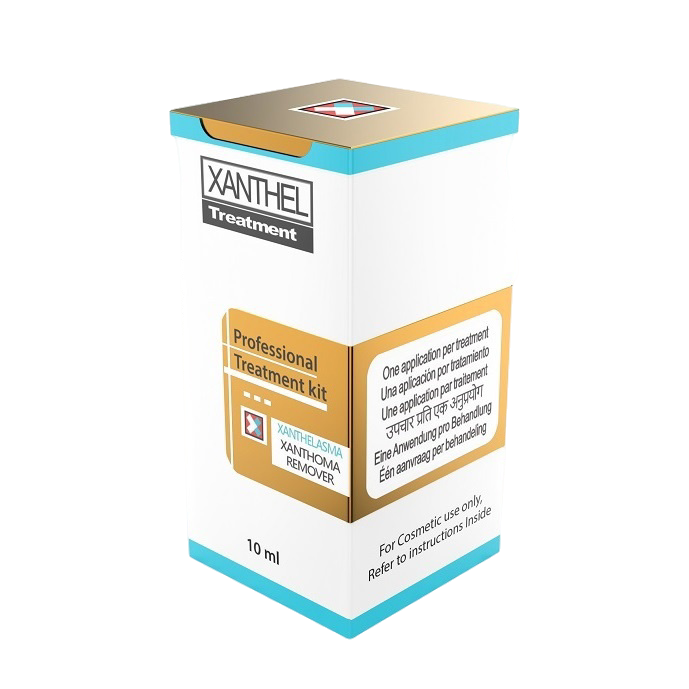
Xanthelasma Cream: An Alternative To Cryotherapy
Prefer to skip xanthelasma cryotherapy? Xanthel® xanthelasma removal cream is a cosmetic gel designed to improve the look of xanthelasma without freezing, and it’s made up for your skin type. Results vary; see real customer photos on our before and after page.
Simple To Use
Applied at home in a couple of minutes, following the guide in your kit. No clinic and no time off to heal.
Fast And Convenient
Usually just one application. Posted within 8 days with free tracked delivery, and covered by our 30-day satisfaction guarantee.
Not sure? Send us a photo.