Mild Xanthelasma: Small Patches, Simple Options
Key Takeaways
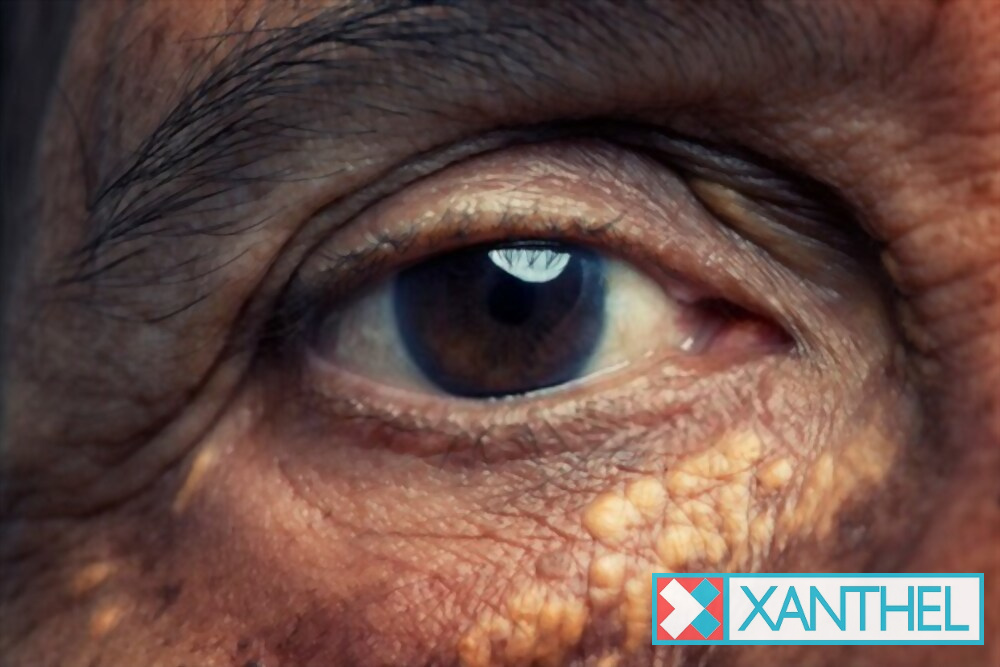
Mild xanthelasma is the early stage of xanthelasma: one or two small, flat, pale-yellow patches on the eyelid, usually near the inner corner. Small patches cover only a little skin, which makes now a good time to deal with them.
- Early patches often look like a faint yellow tint rather than a lump.
- They’re usually a few millimetres across and flat to the touch.
- They’re painless, don’t itch and don’t affect your eyesight.
- They rarely fade on their own, and often grow slowly or spread.
- Even small patches can be a sign of raised cholesterol, so a blood test is worth having.
- Xanthel® xanthelasma removal cream is a cosmetic gel made for your skin type, and small patches mean a small area to treat.
What Does Mild Xanthelasma Look Like?
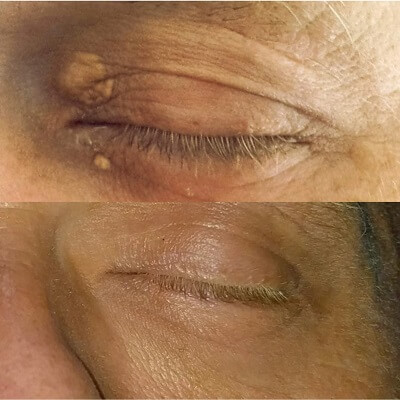
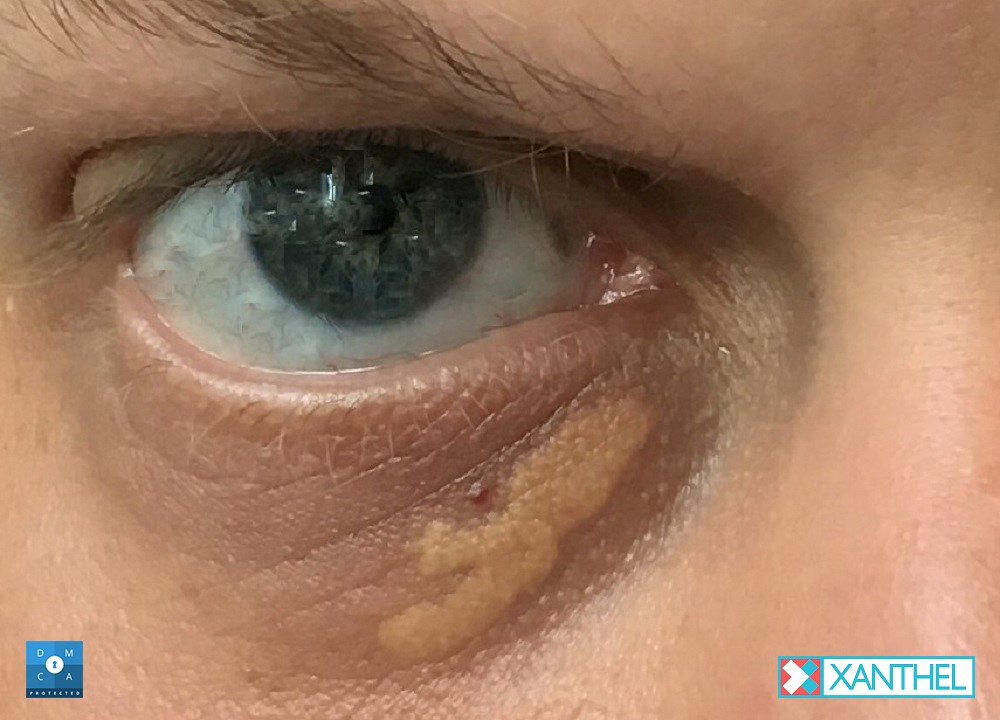
Mild xanthelasma is the earliest stage of xanthelasma palpebrarum. It usually starts as a faint, pale-yellow mark on the eyelid, most often near the inner corner by the nose. At first it can look like a shadow, a bit of leftover make-up or simply tired skin. Many people only notice it in bright light or a close-up photo.
Small xanthelasma patches are flat or very slightly raised, soft to the touch and only a few millimetres across. They don’t hurt, itch or affect your sight. You might have one patch or a pair, one on each eye.
If you’re not sure what you’re looking at, compare yours with our guide to what xanthelasma looks like. The good news is that a small patch is the simplest kind to deal with.
Why Small Xanthelasma Is Worth Treating Early
Xanthelasma rarely goes away by itself. Patches tend to stay the same or grow slowly over months and years, and new ones can appear beside them. Over time, small patches can join into a band across the eyelid or spread to the lower lid.
That’s why acting early makes sense. A small patch means a small area of skin to treat, whichever option you choose. It also means you can deal with it before it becomes something you notice every time you look in the mirror. Our xanthelasma removal guide compares every option, from clinics to Xanthel® at home.
How Mild Xanthelasma Can Change Over Time
| Stage | What it usually looks like |
|---|---|
| Mild | One or two small patches. A flat, pale-yellow tint, usually near the inner corner. The smallest area to improve. |
| Moderate | Wider, more yellow patches. Slightly raised and soft, often on both eyes, and more noticeable to others. |
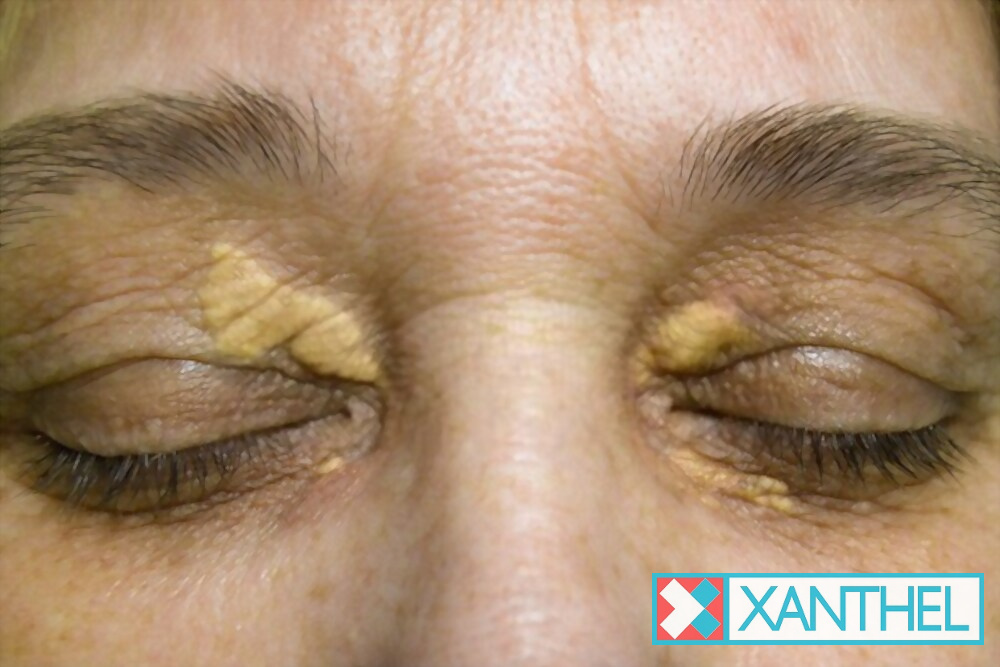
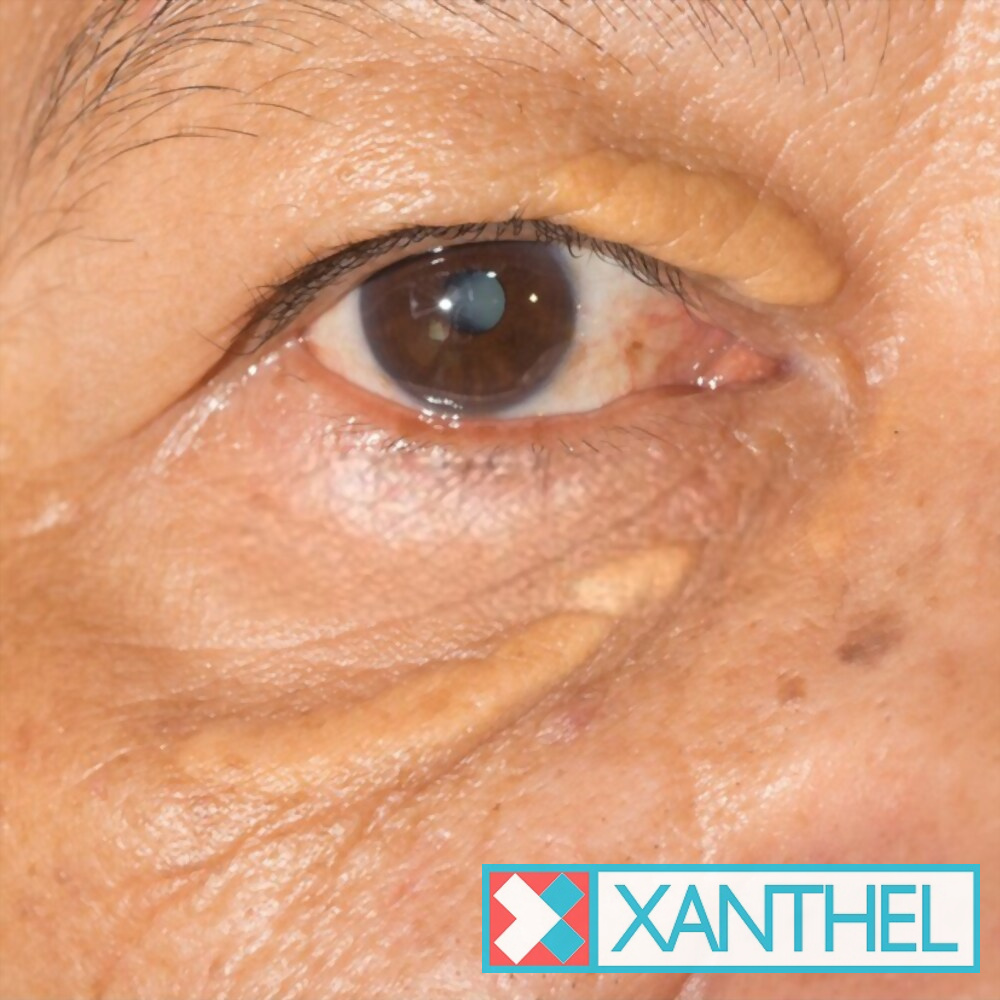
| Extensive | Patches joined together on the upper and lower lids, sometimes forming a ring around the corner. A larger area to improve. |
Not everyone moves through every stage, and some patches stay small for years. See before and after photos.
What Causes Mild Xanthelasma?
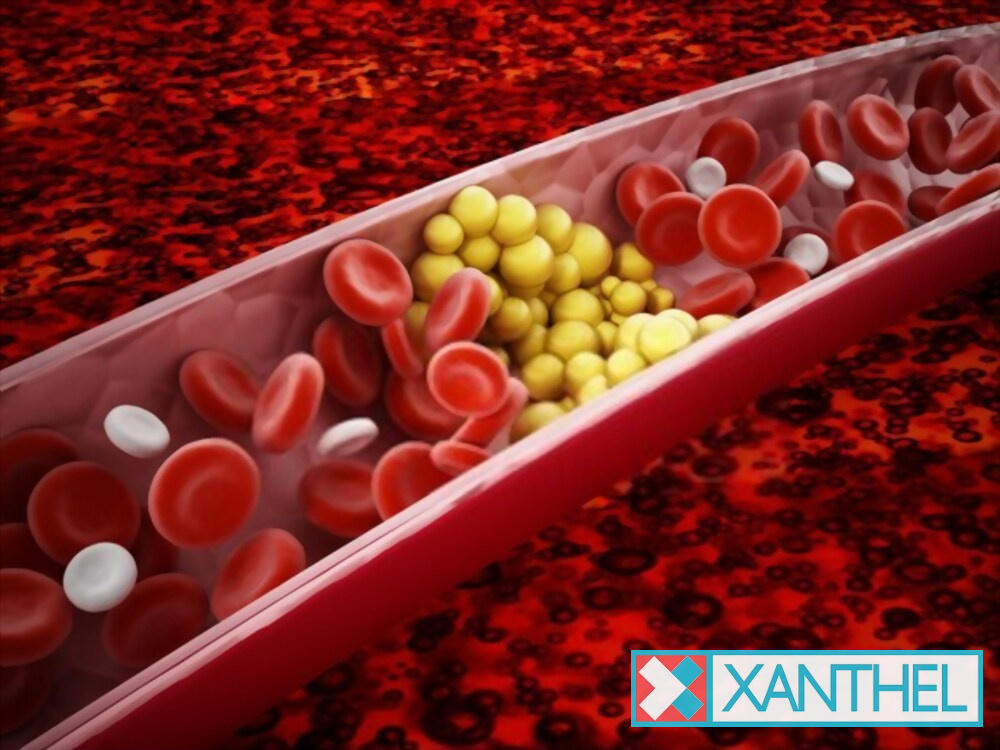
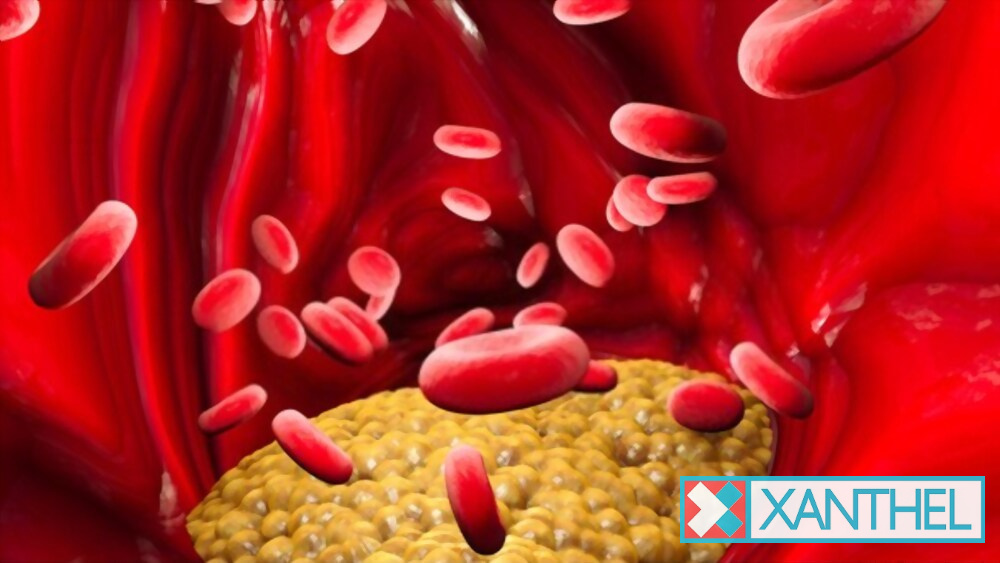
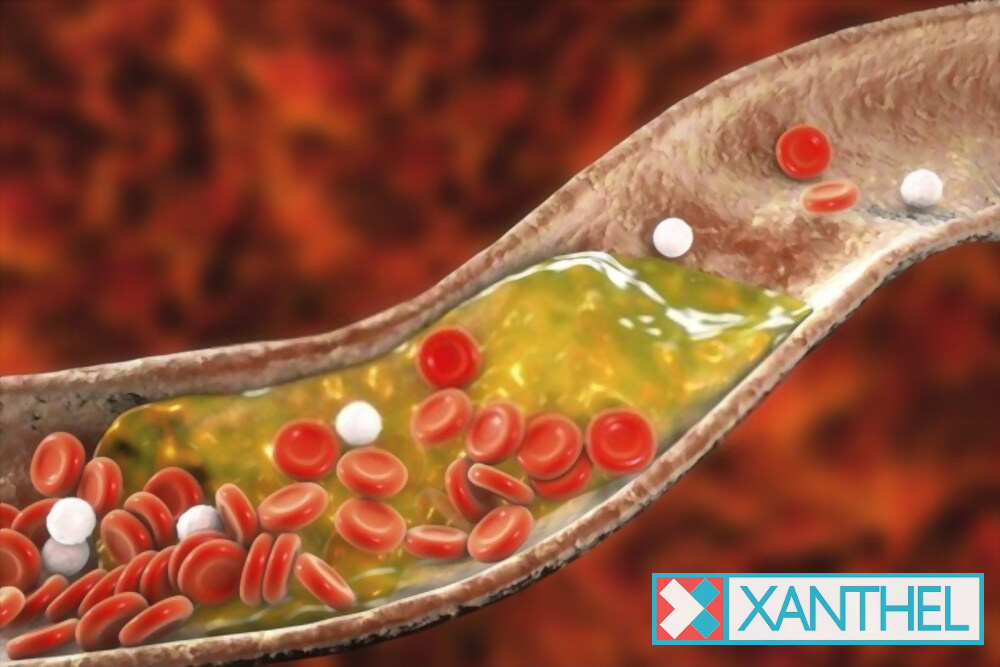
Xanthelasma forms when fat from the blood settles in the thin skin of the eyelid and is soaked up by immune cells, which turn yellow. It’s often linked to raised LDL cholesterol or triglycerides, but about half of people with it have normal cholesterol levels, according to NIH StatPearls.
Other things make it more likely: a family history, diabetes, an underactive thyroid, liver problems, smoking and carrying extra weight. It’s more common in women and usually first appears between the ages of 35 and 55. Our guide to xanthelasma causes explains each one, and what you can do to lower your risk of new patches.
Is It Mild Xanthelasma Or Something Else?
Small, hard white bumps are more likely to be milia, which are trapped keratin rather than fat. Tiny red-yellow bumps that appear suddenly on the arms, legs or bottom are a different condition, called eruptive xanthoma. Soft, flat yellow patches on the eyelid are almost always xanthelasma. If you’re unsure, a doctor can tell at a glance.
Do You Need To See A Doctor About Small Xanthelasma?
It’s worth seeing a doctor once, even for a small patch. They can usually tell it’s xanthelasma just by looking, so you rarely need a biopsy. The useful part is the blood test: a check of your cholesterol, triglycerides, blood sugar and sometimes your thyroid. If those come back normal, that’s reassuring, and you can focus on the patch itself. See a doctor sooner if a patch grows fast, bleeds or feels hard.
Mild Xanthelasma And Your Heart Health
Even a small patch can be a useful early clue about your heart. A large Danish study of nearly 13,000 people, published in the BMJ, found that people with xanthelasma had a higher risk of heart attack and heart disease, whatever their cholesterol levels.
That isn’t a reason to worry. It’s a reason to get a simple check-up and look after yourself. If your blood fats, blood pressure or blood sugar are raised, catching it early gives you the best chance to bring them down with diet, exercise and, if needed, medicine from your doctor.
Looking after your heart won’t usually shrink a patch you already have, but it may make new ones less likely. So it’s worth doing both: a check-up for your health, and a simple cosmetic option for the patch itself.
How To Treat Mild Xanthelasma
Start with your health. Get your cholesterol checked, and if it’s raised, our xanthelasma diet guide has easy food swaps to help. Moving more and stopping smoking help too.
For the patch itself, you’ve got choices. Clinics offer laser, freezing, chemical peels and minor surgery, each with its own costs and recovery time. Our xanthelasma treatment guide compares them side by side. Steer clear of DIY acids, garlic or needles near your eyes, as they can burn or mark the thin skin.
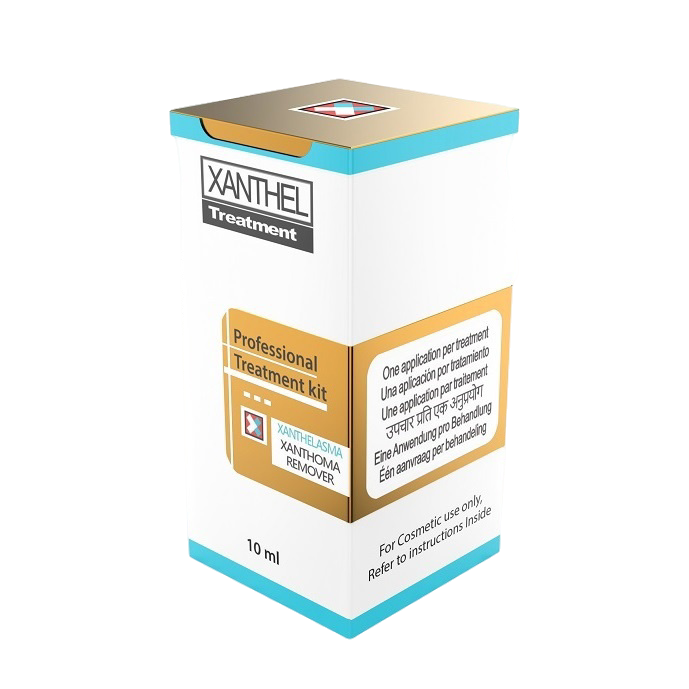
For a small patch, many people prefer something simpler. Xanthel® xanthelasma removal cream is a cosmetic gel designed to improve the look of xanthelasma at home, usually with a single application. It’s made to order for your skin type and tone, and a small patch means a small area to cover. See real results in our before and after photos.
Xanthelasma Cream: Deal With Small Patches Early
Noticed a patch of mild xanthelasma? Xanthel® xanthelasma removal cream is a cosmetic gel designed to improve the look of xanthelasma, and a small patch is a great place to start. Deal with it now, privately at home, and get back to looking like yourself. Results vary from person to person.
Personal To Your Skin
Each kit is formulated for your skin type and tone, so you’re using a gel made for you.
Quick, Simple, Usually Once
A couple of minutes at home, usually just one application, with no needles, no clinic and free tracked delivery.
Mild Xanthelasma: Questions People Ask
Can Mild Xanthelasma Go Away On Its Own?
Very rarely. Small patches usually stay the same or grow slowly, so it’s worth dealing with them while they’re small.
Will Small Xanthelasma Get Bigger?
Often, yes, though slowly. Some patches stay small for years, while others spread or are joined by new ones.
Is Mild Xanthelasma A Sign Of High Cholesterol?
It can be, but about half of people with xanthelasma have normal cholesterol. A blood test will tell you.
Can I Cover Small Xanthelasma With Make-Up?
Yes. A peach or orange colour corrector under your usual concealer helps hide the yellow tint while you decide what to do.
Is Xanthel® Suitable For Small Patches?
Yes. Xanthel® is made for xanthelasma on the eyelids, including small patches, and each kit is formulated for your skin type. Results vary.