Bilateral Xanthelasma: Why Patches Appear On Both Eyes
Key Takeaways
Bilateral xanthelasma simply means xanthelasma on both eyes. It’s very common, it isn’t a more serious form of the condition, and patches on both sides can be treated together.
- Patches are soft, yellowish and usually start at the inner corners, often in a roughly mirror-image pattern.
- Sometimes all four eyelids are affected, upper and lower.
- It’s more common in women and in adults from their 40s onwards.
- About half of people with xanthelasma have raised cholesterol, so a blood test is worth having.
- Patches rarely fade on their own and may slowly spread.
- Compare yours with our pictures of xanthelasma, or see our xanthelasma removal cream for use at home.
What Is Bilateral Xanthelasma?
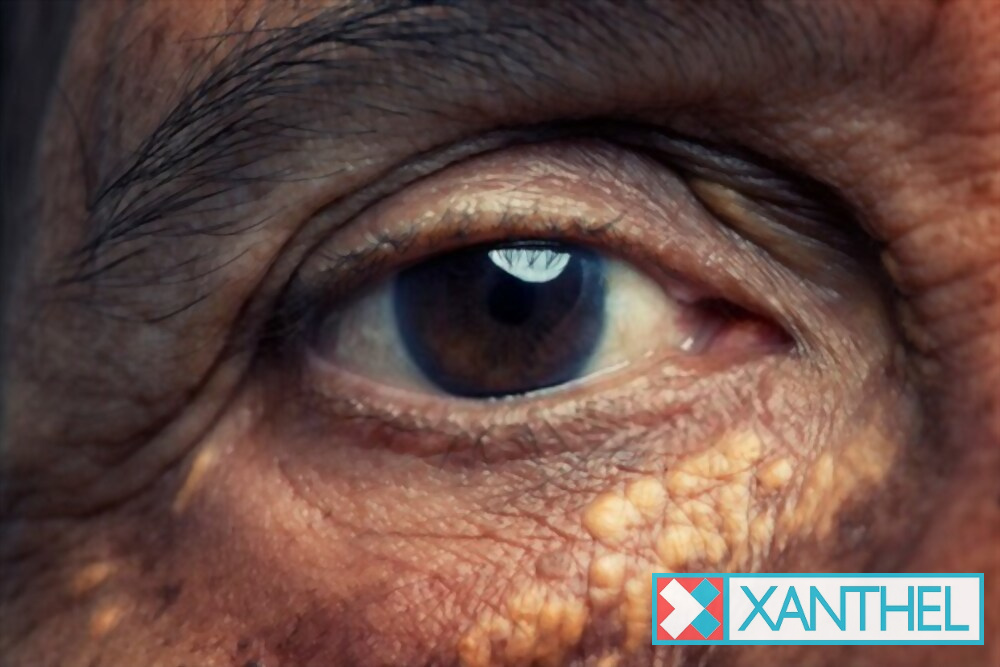
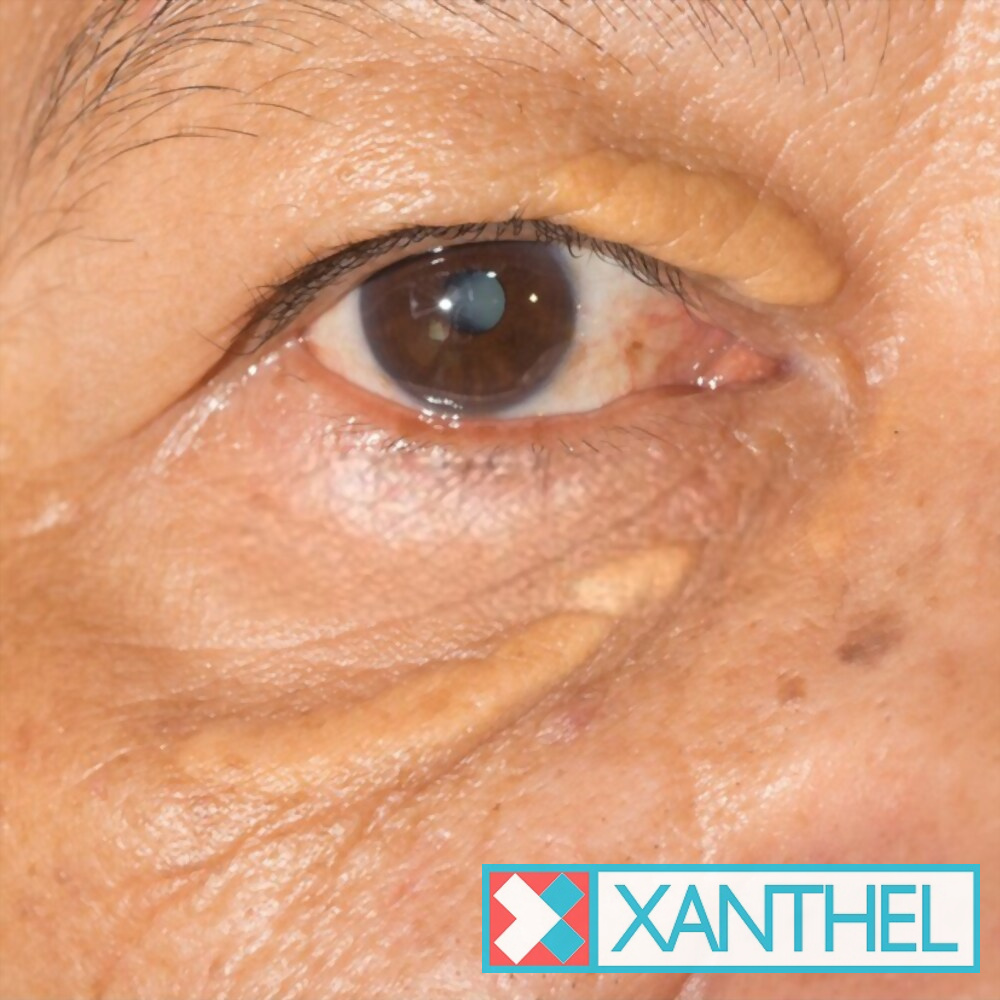
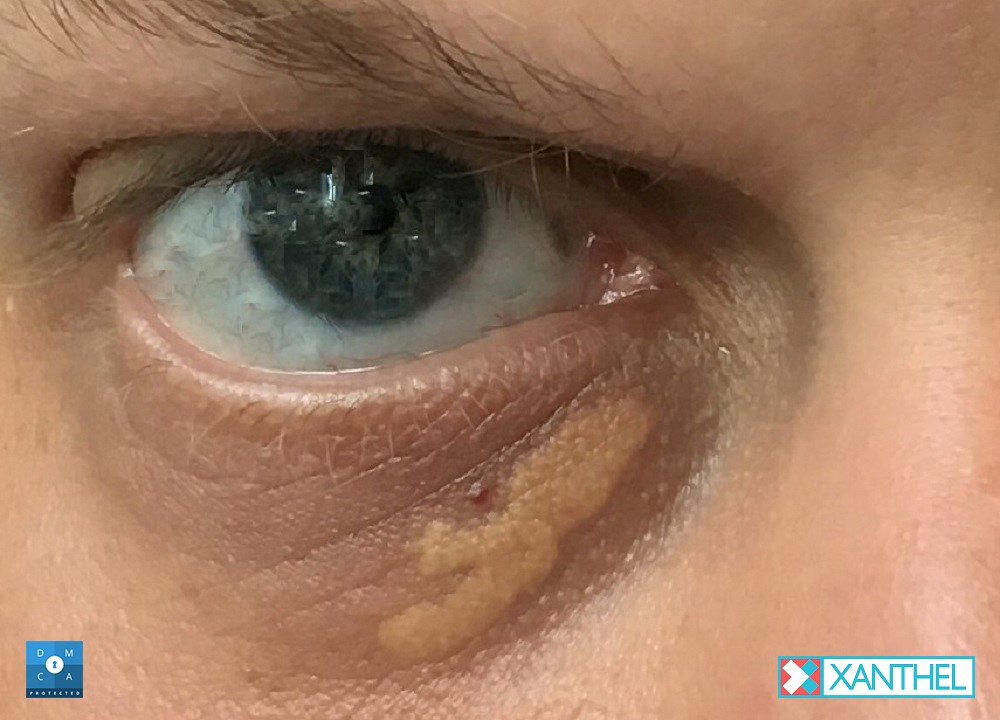
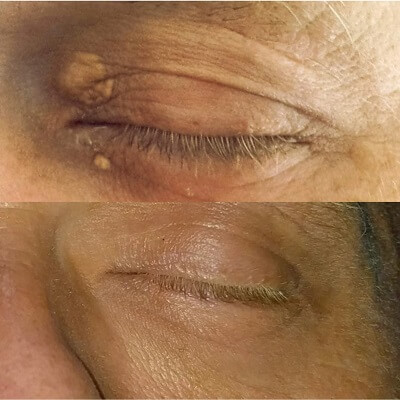
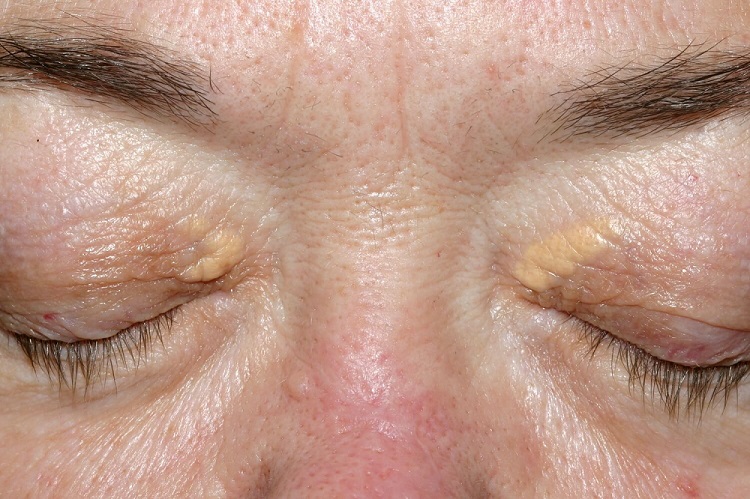
Bilateral xanthelasma is xanthelasma that appears on both eyes rather than just one. “Bilateral” is simply the medical word for “both sides”. The patches are soft, flat or slightly raised, and pale yellow to orange-yellow. They usually begin at the inner corner of the upper eyelid, close to the nose.
If you’ve noticed patches on both eyes, you’re far from alone. Doctors see xanthelasma on both sides so often that it’s thought of as the typical pattern, not the exception. The patches are often roughly symmetrical, a little like mirror images, although one side can be larger or appear first. Over time they may spread along the lid, and in some people they appear on all four eyelids.
Our guide to what xanthelasma looks like shows how patches vary from person to person.
Who Gets Xanthelasma On Both Eyes?
It’s more common in women and usually appears between the ages of 30 and 60. People with raised cholesterol or triglycerides are more likely to get it, as are people with diabetes, an underactive thyroid, liver conditions, or a family history of high cholesterol. Smoking and carrying extra weight can play a part too. Many people, though, have no other health problem at all. Patches on both eyes don’t mean you’re more likely to have one of these conditions than someone with a single patch, but they’re a good reason to get checked.
Bilateral Xanthelasma At A Glance
| Question | Answer |
|---|---|
| What it means | Xanthelasma on both eyes |
| Where it appears | Inner corners of the eyelids, upper and sometimes lower |
| How it looks | Soft, yellowish patches, often in a mirror-image pattern |
| Who gets it | Most often women and adults aged 30 to 60 |
| Is it harmful? | Not in itself, and it doesn’t usually affect eyesight |
| Worth checking | Cholesterol, blood sugar and thyroid with your doctor |
| Will it go away? | Rarely on its own; it may slowly spread |
| Cosmetic option | Treat both sides at home with Xanthel® cream |
Want to treat both eyes? See Xanthel® cosmetic gel
Bilateral Xanthelasma Or Bilateral Eyelid Xanthomas?
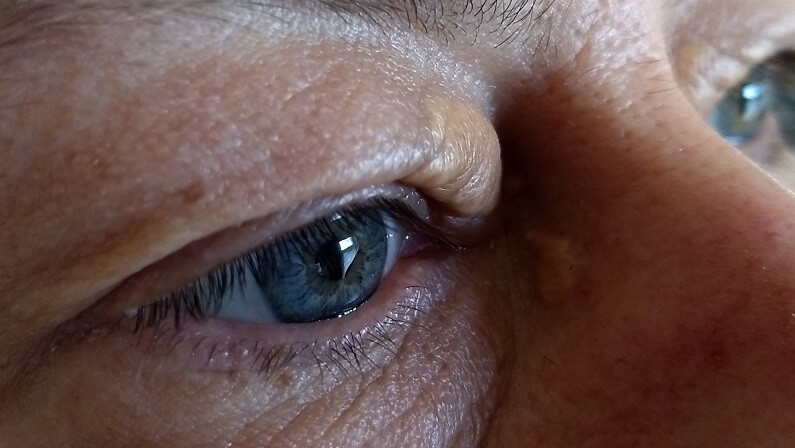
You may see both terms, and they describe the same thing. A xanthoma is a build-up of fat-filled cells under the skin. When xanthomas form on the eyelids they’re called xanthelasma, or xanthelasma palpebrarum, and when they’re on both sides, they’re bilateral eyelid xanthomas.
Why both eyes? The cause usually isn’t local to one eyelid. It’s linked to how your body handles fats in the blood, which affects both sides equally. The thin, delicate skin of the eyelids seems to be where these fatty cells settle first, which is why patches so often appear in the same spot on each side. It’s also why treating one eye doesn’t stop the other from developing patches later on.
Hormonal changes can play a part too. Some women first notice patches around the menopause, when cholesterol levels often rise, and xanthelasma can also appear for the first time during pregnancy.
How A Doctor Checks Bilateral Xanthelasma
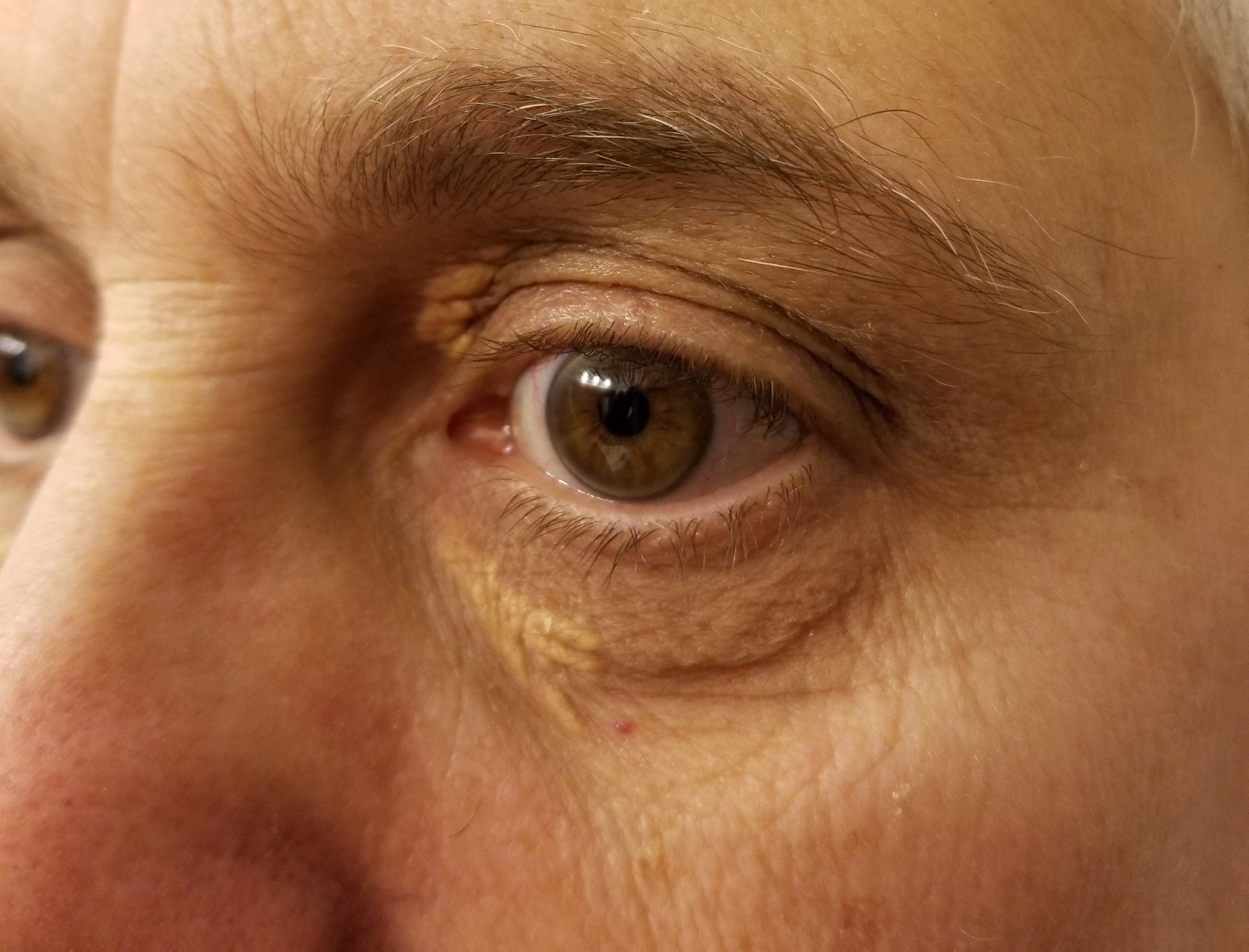
A doctor can usually recognise xanthelasma just by looking at it. Matching yellow patches on both eyelids are a classic picture, so a skin biopsy is rarely needed. What your doctor will want to know is what’s going on inside, because xanthelasma can be a sign of raised blood fats.
Expect a simple blood test to check your cholesterol (LDL, HDL and triglycerides), and possibly your blood sugar, thyroid and liver. Around half of people with xanthelasma have normal cholesterol, but a large study in the BMJ found it was linked to a higher risk of heart disease regardless, so it’s worth a check-up even if you feel well.
Your doctor may also ask about family history, smoking and any medicines you take. If you’re under 40, they may look for an inherited cause such as familial hypercholesterolaemia. Don’t be tempted to squeeze, pick or burn the patches while you wait: the eyelid skin is fragile and easily damaged.

Treating Xanthelasma On Both Eyes
Having patches on both sides doesn’t make them harder to treat, but it does make the choice of treatment more important. Clinic options include laser, freezing (cryotherapy), chemical peels and surgery. Each eyelid has to be treated, sometimes in several sessions, and removing tissue from both lids carries more risk of scarring, colour changes or the lids being pulled out of shape, especially on the lower lids.
Our xanthelasma removal guide compares every clinic option, with the pros, cons and typical costs. If you’d rather avoid clinics, Xanthel® is a cosmetic gel you apply at home to both eyes in one go, made up for your skin type and tone.
Whatever you choose, keep an eye on your cholesterol. New patches can appear over time, so looking after your heart health helps you keep the results you’re happy with. Eating well, staying active, not smoking and taking any cholesterol medicine your doctor prescribes all help. If a new patch does appear, it can be treated in the same way as the first.
Bilateral Xanthelasma: Questions People Ask
Is Bilateral Xanthelasma More Serious Than Patches On One Eye?
No. Patches on both eyes are the most common pattern and don’t mean the condition is worse. The advice is the same either way: get your cholesterol checked.
Why Is My Xanthelasma Worse On One Side?
It’s normal for one side to be bigger or to appear first. Patches grow at their own pace, and the other side often catches up over time.
Can Xanthelasma Spread From One Eye To The Other?
It doesn’t spread by contact and isn’t contagious. Patches on the second eye form for the same internal reasons as the first.
Can Both Eyes Be Treated At The Same Time?
Usually, yes. Many clinic treatments do one side at a time, while a cosmetic cream such as Xanthel® can be applied to both eyes in the same session.
Does Bilateral Xanthelasma Mean I Have High Cholesterol?
Not always. About half of people with xanthelasma have normal levels, but a blood test is the only way to know.
Xanthelasma Cream: Treat Both Eyes At Home
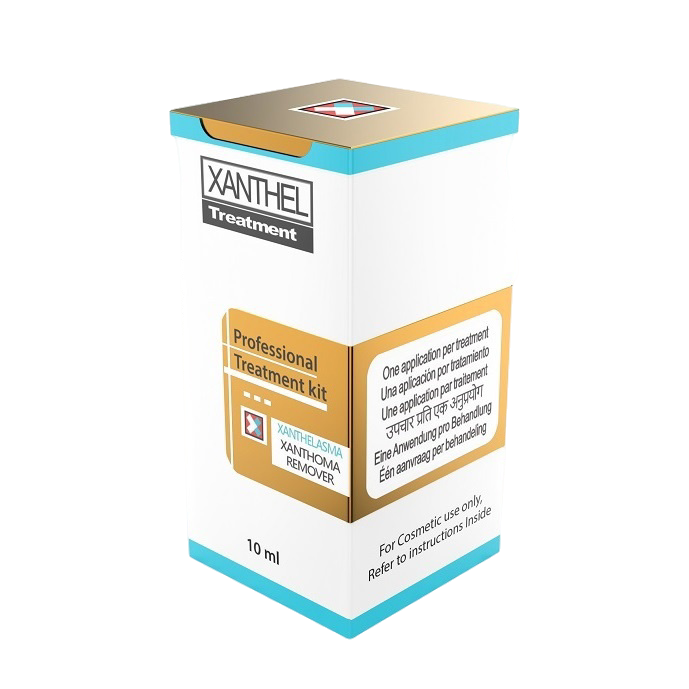
Got patches on both eyes? Xanthel® xanthelasma removal cream is a cosmetic gel designed to improve the look of xanthelasma on both sides in one go, so you can stop worrying about those patches every time you look in the mirror. Results vary from person to person.
Made For Your Skin
Each kit is formulated to order for your skin type and tone, which is why it takes up to 8 days to be posted.
Simple, Private And Quick
Apply it at home in a couple of minutes, usually just once. No clinic, no needles, and free tracked delivery worldwide.