
Xanthelasma Causes
Key Takeaways
Xanthelasma is caused by cholesterol-filled cells building up in the skin around the eyes. It’s often linked to raised cholesterol, diabetes or an underactive thyroid, but around half of people who get it have normal cholesterol. It isn’t dangerous in itself, but it’s a good reason to get a simple health check.
- The patches form when cholesterol from the blood collects in cells just under the eyelid skin.
- Raised LDL cholesterol, high triglycerides and inherited high cholesterol are the most common causes.
- Diabetes, an underactive thyroid, some liver and kidney conditions and certain medicines can play a part.
- About half of people with xanthelasma have normal cholesterol when tested.
- It can be a sign of a higher risk of heart disease, so ask your doctor for a check.
- Looking after your cholesterol may help prevent new patches, but rarely clears existing ones.
- To improve the look of patches you already have, see our xanthelasma removal cream or compare every option.
What Causes Xanthelasma?
If you’ve just noticed soft yellow patches on your eyelids, the first question is usually “why me?”, quickly followed by “is something wrong with my health?” Both are completely understandable, and the answers are more reassuring than you might expect.
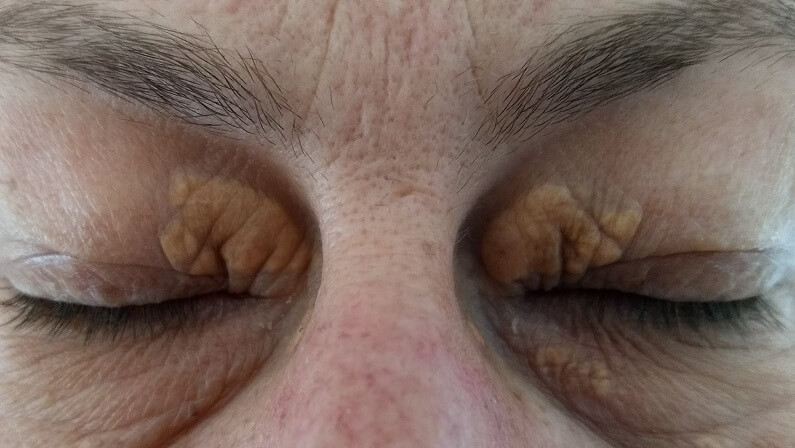
Xanthelasma forms when cholesterol carried in your blood leaks out of the tiny blood vessels in your eyelid skin and is picked up by immune cells. Those cells fill with fat, become what doctors call “foam cells”, and gather in small clusters. Seen through the thin skin of the eyelid, they look like flat, creamy-yellow patches, usually near the inner corners of the eyes.
What sets this off is different from person to person. For some people it’s raised cholesterol or a condition that affects how the body handles fat. For others, there’s no obvious cause at all. Below we go through every known cause, what xanthelasma can tell you about your heart, and what you can do to stop more patches appearing.
What Can Cause Xanthelasma?
| Cause | How it’s linked | What helps |
|---|---|---|
| High cholesterol | Raised LDL (“bad”) cholesterol or triglycerides, or low HDL (“good”) cholesterol | A blood test, then diet changes or medicine if needed |
| Family history | Inherited high cholesterol, or relatives who’ve had xanthelasma | Tell your doctor; family members may need testing too |
| Diabetes | Affects how the body handles fats in the blood | Keeping blood sugar well controlled |
| Underactive thyroid | Hypothyroidism can raise cholesterol levels | A thyroid blood test and treatment if needed |
| Liver or kidney conditions | Some can change the levels of fat in the blood | Checks and treatment from your doctor |
| Some medicines | Certain hormone treatments, steroids and other medicines can raise blood fats | Ask your doctor; never stop a medicine on your own |
| Lifestyle | Smoking, heavy drinking, a diet high in saturated fat and being overweight | Small, steady changes you can stick to |
| No clear cause | About half of people have normal cholesterol | A check for peace of mind |
Already have patches? See every removal option compared
Most people have more than one of these factors, and some have none at all. Either way, a simple blood test with your doctor is the best place to start. If you want to understand the patches themselves, our guide to cholesterol deposits on eyelids and their causes explains what you’re seeing, and you can compare your eyelids with our xanthelasma pictures.

How Does Cholesterol Cause Xanthelasma?
Cholesterol isn’t all bad. Your body needs it to build cells and make hormones. It’s carried around your blood in two main forms: LDL, often called “bad” cholesterol, which delivers it to your tissues, and HDL, the “good” kind, which carries the extra back to your liver.
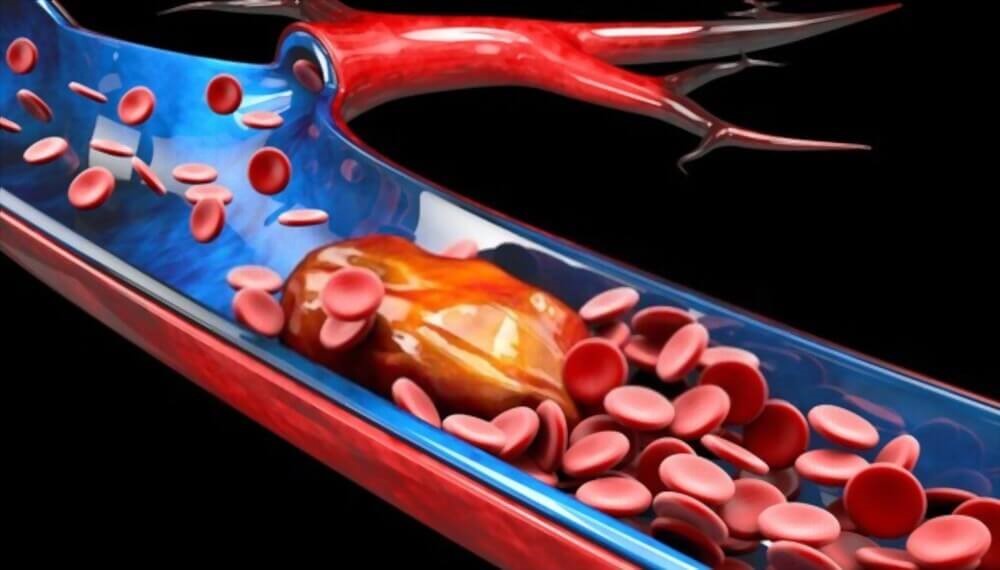
When there’s more LDL in your blood than your body needs, some of it can seep into the walls of blood vessels and into nearby skin. In the eyelids, it’s taken up by immune cells that swell with fat and settle in the skin. Nobody knows exactly why the eyelids are such a common spot, but the skin there is very thin, so even small deposits show up clearly.
Why Do People With Normal Cholesterol Get Xanthelasma?
This surprises a lot of people. Around half of those with xanthelasma have normal cholesterol when they’re tested (NIH StatPearls). Researchers think other things may be involved, such as the type and size of the cholesterol particles in the blood, how the skin’s cells handle fat, inflammation, and genetics. So if your results come back normal, you haven’t done anything wrong. It just means your patches are mainly a cosmetic concern.
Is Xanthelasma A Sign Of Heart Disease?
It can be, which is why it’s worth taking seriously, but it isn’t a diagnosis. A large Danish study that followed nearly 13,000 people for over 20 years found that those with xanthelasma were more likely to have a heart attack or develop heart disease, even when their cholesterol was normal (BMJ, 2011).
That sounds worrying, but it’s useful information. It doesn’t mean you will have heart problems. It means xanthelasma is a nudge to get your cholesterol, blood pressure and blood sugar checked, and to look after your heart. Many people find the patches are what finally gets them to do it.
The patches themselves don’t affect your heart, and removing them doesn’t change your risk either way. So it’s perfectly fine to treat them for cosmetic reasons, as long as you’ve had that health check too.

Which Health Conditions Are Linked To Xanthelasma?
Several conditions can raise the fats in your blood and make xanthelasma more likely. These are the main ones doctors look for:
- Inherited high cholesterol. Some families pass down genes that keep cholesterol high from a young age. Xanthelasma in your 20s or 30s, or several relatives with it, is a good reason to ask about this.
- Type 2 diabetes. Poorly controlled blood sugar often goes hand in hand with raised triglycerides.
- An underactive thyroid. When the thyroid is slow, the body clears cholesterol more slowly.
- Liver conditions that slow the flow of bile, such as primary biliary cholangitis.
- Kidney conditions such as nephrotic syndrome, which can push cholesterol up sharply.
- Some medicines, including certain hormone treatments and steroids.
These are worth ruling out, but don’t let the list alarm you. For most people, the cause turns out to be ordinary raised cholesterol or nothing obvious at all.

Lifestyle Factors
Everyday habits can add to the picture. Smoking damages blood vessels and lowers HDL. Drinking heavily raises triglycerides. A diet high in saturated fat and sugar, and carrying extra weight around the middle, can push LDL up. None of these on their own causes xanthelasma in everyone, but they all make it more likely, and they’re all things you can change.
Should You See A Doctor About Xanthelasma?
Yes, especially if you’ve never had your cholesterol checked. Your doctor will usually suggest a simple blood test, called a lipid profile, to measure your LDL, HDL and triglycerides. They may also check your blood sugar, thyroid and liver, depending on your age and health.
If your cholesterol is high, they’ll talk you through diet and lifestyle changes and may suggest a cholesterol-lowering medicine such as a statin. That’s about protecting your heart. It’s worth knowing, though, that lowering your cholesterol rarely makes existing patches fade, so you may still want to deal with them separately.
If your results are normal, that’s good news. Your patches are a cosmetic issue, and you can choose whatever xanthelasma treatment suits you, from clinic procedures to an at-home gel.

How Can You Prevent Xanthelasma?
There’s no guaranteed way to prevent xanthelasma, especially if it runs in your family. But looking after your cholesterol gives you the best chance of stopping new patches forming, and it’s good for your heart too:
- Get checked. Know your numbers, and keep up with any treatment your doctor recommends.
- Eat for your cholesterol. More fibre from oats, beans, lentils, fruit and vegetables, and less saturated fat. Our xanthelasma diet guide has simple swaps.
- Move more. Regular activity raises HDL and helps with weight.
- Stop smoking and keep alcohol within sensible limits.
- Manage other conditions such as diabetes or an underactive thyroid.
Natural remedies like garlic and castor oil are often recommended online, but they won’t remove patches that are already there, and some can irritate the eyelids. We’ve reviewed them honestly in how to get rid of xanthelasma naturally.

Will Xanthelasma Go Away If You Treat The Cause?
Usually not. Once the patches have formed, they tend to stay the same size or slowly grow, even after cholesterol is brought under control. That’s why most people choose to have them removed, either at a clinic with surgery, laser or freezing, or at home.
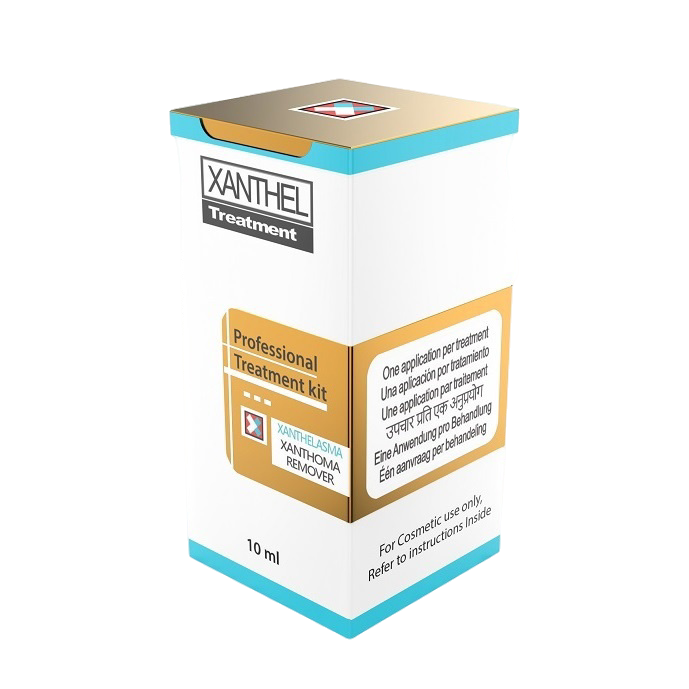
Xanthel® is our at-home cosmetic gel, designed to improve the look of xanthelasma. Every kit is made up for your skin type and usually applied just once, in a couple of minutes. Our founder, P. Cutler, created it after living with xanthelasma himself, working with consultant dermatologists along the way. You can see real customer results on our before and after page. Results vary, and if new patches appear later, you can use it again.
Xanthelasma Removal With Xanthel ®
Xanthelasma Cream
Xanthel ® is designed to help rid you of your Xanthelasma, without penetrating your skin too deeply, this prevents scarring and marks.
Simple to Use
Easy to use and formulated to help reduce any regrowth of your xanthelasma or xanthomas. Gentle and effective, professional results with Xanthel ®.
Effective And Fast
Just one application is needed in most cases, to help remove your xanthelasma once and for all.
Xanthelasma Causes: Questions People Ask
Is Xanthelasma Genetic?
It can be. Inherited high cholesterol runs in families, and some people simply seem more prone to xanthelasma. If a parent or sibling has had it, it’s worth mentioning to your doctor.
Can Stress Cause Xanthelasma?
There’s no good evidence that stress causes it directly. Long-term stress can affect your diet, sleep and habits, which can nudge cholesterol up, but it isn’t a recognised cause on its own.
Does Xanthelasma Mean I Will Have A Heart Attack?
No. It’s linked to a higher risk on average, but plenty of people with xanthelasma never have heart problems. Think of it as a prompt to get checked and look after your heart, not a prediction.