Castor Oil For Xanthelasma Removal: Does It Work?
Key Takeaways
There’s no evidence that castor oil works for xanthelasma removal, whether you dab it on your eyelids or take it by mouth. It can’t reach the cholesterol deposits under the skin, and near the eyes it can irritate the skin and blur your vision.
- Castor oil comes from the seeds of the castor plant and is mostly used as a moisturiser and a laxative.
- No studies show it shrinking or removing xanthelasma or xanthoma.
- On the eyelid it can cause redness, itching or a rash, and it blurs your vision if it gets in your eye.
- Drinking it won’t lower your cholesterol. It’s a strong laxative.
- Xanthelasma can be linked to raised cholesterol, so a check with your doctor is a better first step.
- Want something made for the job? Xanthel® is a cosmetic gel made up for your skin type and used at home.
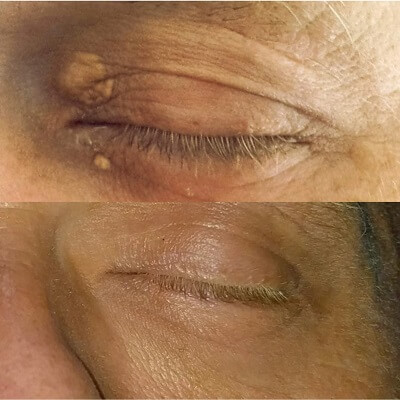
- See real results on our before and after page.
Does Castor Oil Remove Xanthelasma?
If you’ve read that castor oil can get rid of xanthelasma, you’re not alone. It’s one of the most shared home remedies online, and it’s easy to see why. It’s cheap and natural, so it feels like a safe thing to try. We understand the appeal, especially if you’d rather not go near a clinic.
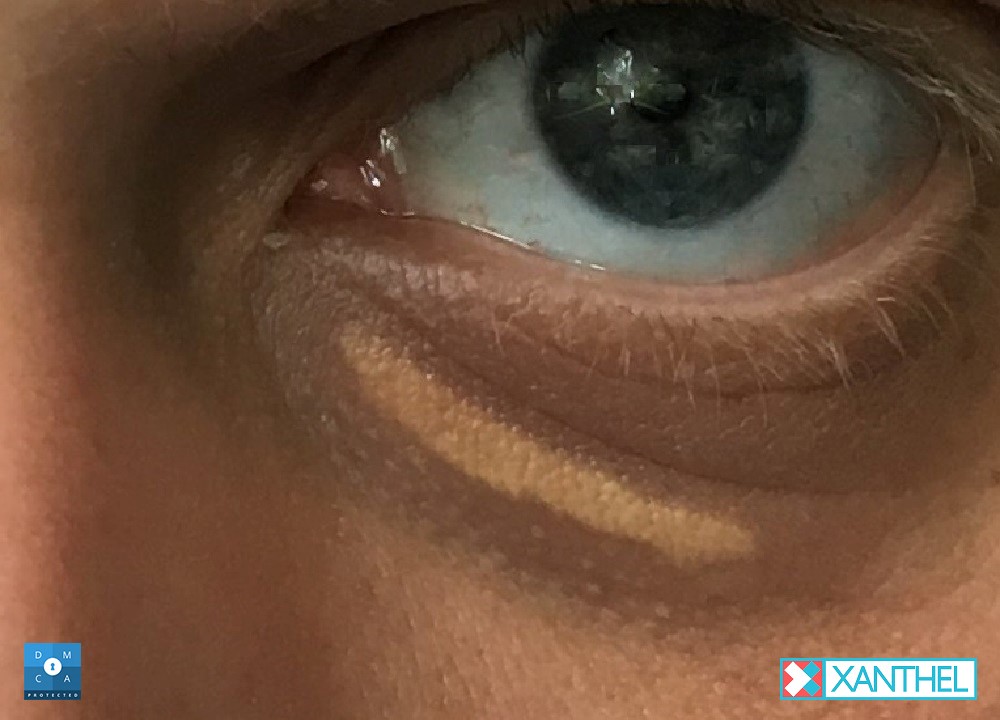
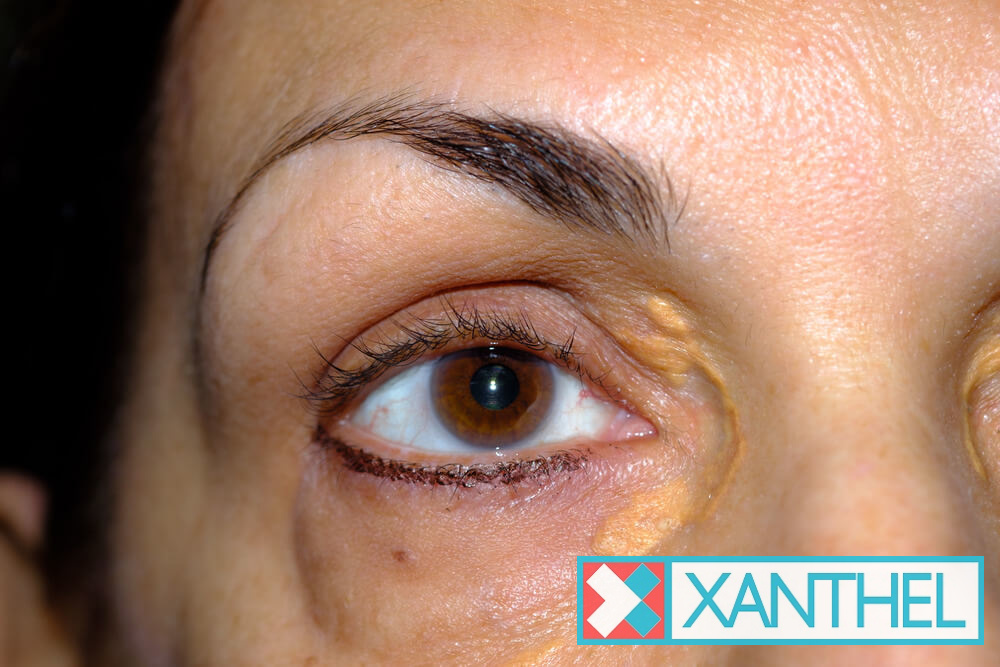
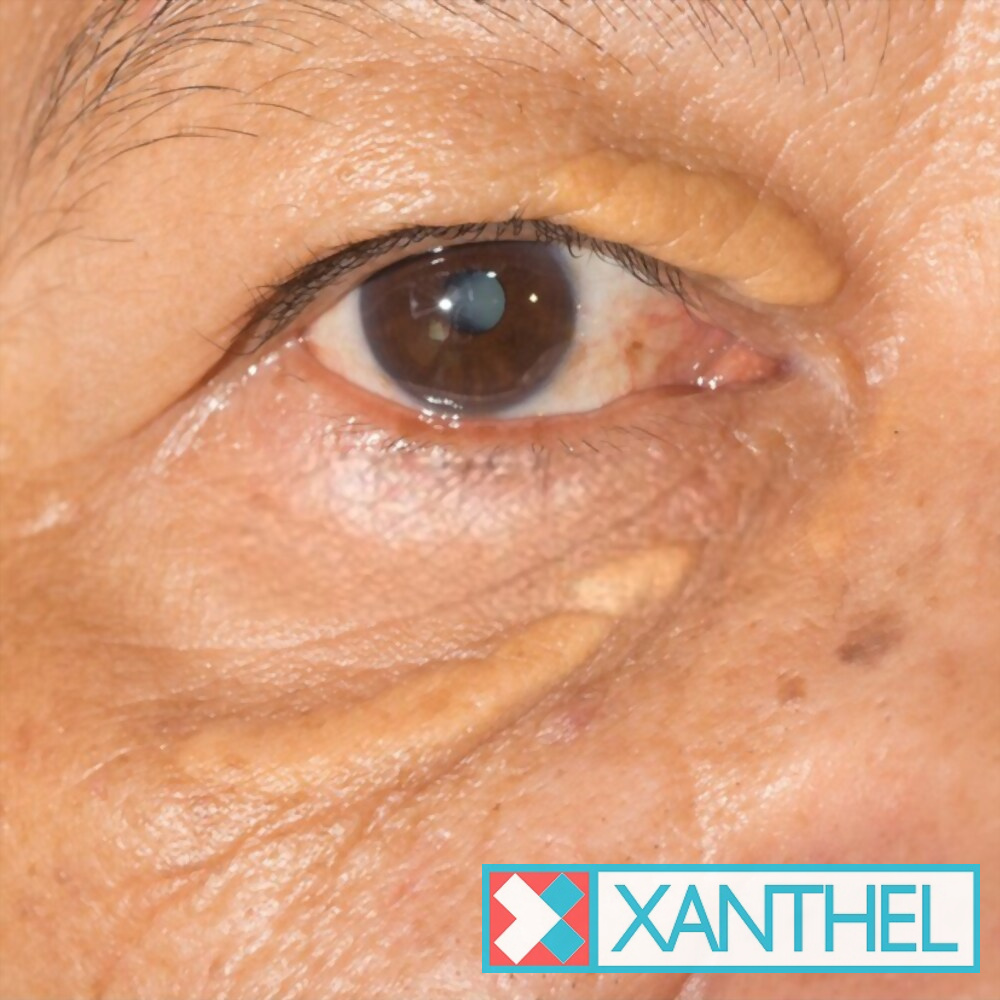
The honest answer is that castor oil won’t remove xanthelasma. There’s no research showing it shrinks or clears the patches, and the way xanthelasma forms explains why. The yellow patches are made of cholesterol-filled cells sitting in the deeper layer of the skin, around tiny blood vessels. An oil rubbed onto the surface simply can’t get to them, let alone break them down.
That doesn’t mean you have to live with them. Below we explain what castor oil is, why it’s become so popular for xanthelasma, the risks of using it near your eyes, and the options that can actually improve the look of your patches, including our at-home xanthelasma removal cream.
What Is Castor Oil?
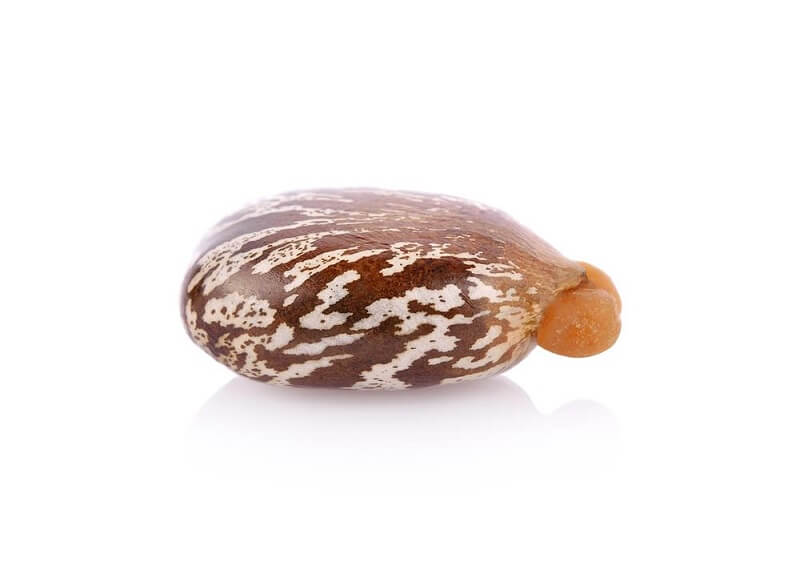
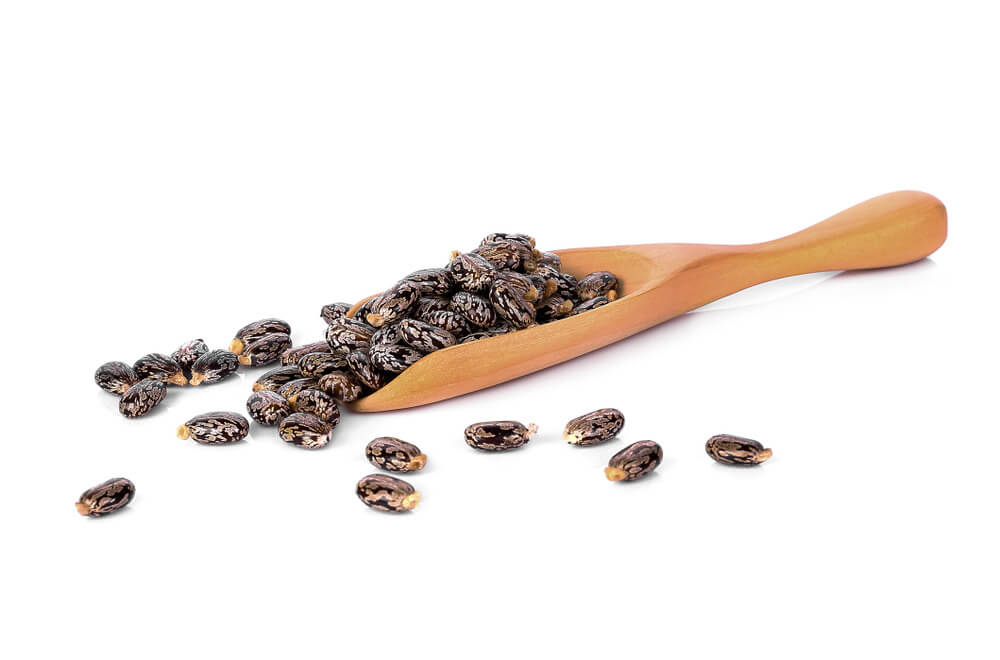
Castor oil is a thick, pale-yellow oil pressed from the seeds of the castor plant (Ricinus communis). Most of it is made up of one fatty acid, ricinoleic acid, which is what gives the oil its sticky feel. The seeds themselves are poisonous, but the processed oil sold in shops isn’t.
You’ll find castor oil in lipsticks, hair products and moisturisers, because it locks moisture into the skin. Taken by mouth, it’s a strong stimulant laxative, which is how most people’s grandparents knew it.
Castor Oil For Xanthelasma At A Glance
| Question | Answer |
|---|---|
| What is it? | A plant oil pressed from castor seeds |
| Removes xanthelasma? | No. There’s no evidence that it does |
| On the eyelid | Can irritate the skin and blurs your vision if it gets in your eye |
| Taken by mouth | A strong laxative. It won’t lower your cholesterol |
| Better first step | A cholesterol check with your doctor |
| At-home alternative | Xanthel®, a cosmetic gel made up for your skin type |
Why Do People Try Castor Oil On Xanthelasma?
Most people come across castor oil in forums, videos and social media posts, often with a before and after photo and a story about patches fading in a few weeks. The idea behind it is that the oil “draws out” or “dissolves” the fat in the patches. It sounds logical, but that isn’t how xanthelasma works, and those photos are rarely what they seem: lighting, angles and swelling from irritation can all make a patch look smaller for a while.
The usual methods are soaking a cotton pad in castor oil and taping it over the eyelid overnight, rubbing it in several times a day, or mixing it into a paste with baking soda or crushed garlic. The plain oil mostly just sits on the skin. The pastes are the worrying ones, because baking soda and garlic can burn the thin skin of the eyelid and leave you with marks that are harder to fix than the xanthelasma itself. We explain more about garlic on our garlic and xanthelasma page.

Is It Safe To Put Castor Oil On Your Eyelids?
The skin on your eyelids is the thinnest on your body, and it reacts quickly. Castor oil is a known cause of contact dermatitis, so some people get redness, itching, swelling or a rash where they’ve applied it. If it gets into your eye, it blurs your vision and can sting. Leaving oily pads on overnight can also trap bacteria against the eyelid.
If you do decide to try it, please be careful. Test a little on the inside of your arm first, keep it away from the rim of the eye, use a clean applicator each time, and stop straight away if your skin reacts. Never mix it with baking soda, garlic, lemon or anything else that stings. And if your eyelid becomes sore, swollen or weepy, see a pharmacist or doctor.

Can Drinking Castor Oil Lower Your Cholesterol?
No. Some posts suggest taking castor oil by mouth to “flush out” cholesterol, but it doesn’t work that way. Castor oil is a stimulant laxative: it makes the bowel contract, which can cause cramps, diarrhoea and dehydration. It isn’t meant for regular use, and it shouldn’t be taken in pregnancy at all.
Xanthelasma is often linked to raised cholesterol, although about half of people who have it show normal levels when they’re tested (NIH StatPearls). If you want to look after your cholesterol, a check with your doctor and a few changes to your diet will do far more good than castor oil. Just bear in mind that lowering your cholesterol rarely makes existing patches fade, which is why most people look at removal options too.
What Is Castor Oil Actually Good For?
Castor oil isn’t useless, it’s just not a xanthelasma treatment. Here’s what it’s genuinely used for:
- Dry skin. It’s a rich moisturiser that helps the skin hold on to water, which is why it turns up in balms and lip products.
- Hair, brows and lashes. Many people use it to condition their hair and brows. It can make hair look glossier, although there’s little proof it makes it grow.
- Occasional constipation. Taken by mouth, it’s a fast-acting laxative, best used only on a pharmacist’s or doctor’s advice.
So if you have a bottle at home, it’s fine for dry skin elsewhere. Just don’t expect it to change your xanthelasma.
What Works Better Than Castor Oil For Xanthelasma?
If castor oil hasn’t worked for you, it isn’t because you did it wrong. Xanthelasma needs something that’s designed for it. You have two real routes:
An At-Home Cosmetic Gel
Xanthel® is a cosmetic gel designed to improve the look of xanthelasma. Unlike a general oil, it’s made for this one job, and we make up every kit for the person ordering it, matched to their skin tone and to where their patches are. It’s usually applied just once, at home, in a couple of minutes. Our founder, P. Cutler, developed it after living with xanthelasma himself, working with consultant dermatologists along the way. Results vary from person to person, and you can see what customers have achieved on our before and after page.
A Clinic Procedure
A doctor can remove xanthelasma with surgery, laser, a TCA peel or cryotherapy. These work, but they mean appointments, costs and some risk of scarring or changes in skin colour. Our guide to xanthelasma treatment compares them side by side.
Castor Oil, Xanthel® Or A Clinic: Which Is Right For You?
| Option | Does it remove patches? | Where | Good to know |
|---|---|---|---|
| Castor oil | No evidence that it does | Home | Can irritate eyelid skin and blur your vision |
| Xanthel® | Designed to improve their look. Results vary | Home | Made up for your skin type, usually applied once, 30-day guarantee |
| Clinic | Yes | Clinic | Appointments and cost; risk of scarring or skin colour change |
Ready for something made for the job? Order Xanthel®
Castor Oil And Xanthelasma: Questions People Ask
How Long Does Castor Oil Take To Work On Xanthelasma?
There’s no timescale, because there’s no evidence it works at all. If you’ve used it for a few weeks and your patches look the same, that’s normal, and it’s a good time to look at something made for xanthelasma.
Can Castor Oil And Baking Soda Remove Xanthelasma?
Please don’t try this one. Baking soda is alkaline and can burn the thin skin of the eyelid. Mixing it with castor oil doesn’t make it work, it just makes it more likely to damage your skin.
Does Castor Oil Work On Xanthoma?
No. Xanthoma is the general name for cholesterol deposits in the skin, and xanthelasma is the type that forms around the eyes. Castor oil can’t reach either. For deposits away from the eyes, it’s best to see your doctor.
Is Castor Oil Safe For Xanthelasma Under The Eyes?
The same risks apply, and the skin under the eyes is just as delicate. Our guide to xanthelasma under the eyes explains what you can do instead. Xanthel® can be supplied as a cream or gel for under-eye patches too.
Are There Any Natural Remedies That Work?
Natural changes like eating more fibre and less saturated fat help your cholesterol, but none of them remove patches that are already there. We’ve reviewed the popular ones honestly in how to get rid of xanthelasma naturally.
Xanthel ® Helping remove Xanthelasma, easily
Simple To Use
Applied at home, usually just once, following the instructions in your kit. No clinic, no appointment, and no oily pads overnight.
Made For Your Skin
Made up for your skin tone, from very fair to very dark, and supplied as a cream or gel depending on where your patches are. Read more about our xanthelasma cream.